Affiliate Disclosure:Kid Sitting Safe is reader-supported. When you buy through links on our site, we may earn an affiliate commission at no additional cost to you. This does not influence our reviews or recommendations — we only recommend products we genuinely believe in.
Installing a car seat correctly can be challenging, but you don’t have to figure it out alone. Child Passenger Safety Technicians (CPSTs) are certified professionals trained to help families achieve safe, proper installations. This guide explains what CPSTs do, how to find one, and what to expect during an inspection.
What Is a CPST?
Certification and Training
CPSTs complete the National CPS Certification Course, which Safe Kids Worldwide describes as usually three to four days long. It covers:
- Child development and anatomy
- Crash dynamics and injury prevention
- Car seat types and selection criteria
- Vehicle seat belt and LATCH systems
- Installation techniques for all seat types
- Special needs transportation
- Recalls and expiration standards
Certification Requirements:
- Complete the certification course, usually three to four days
- Pass written examination
- Pass hands-on installation tests
- Recertify every two years
The standardized CPST curriculum is administered by Safe Kids Worldwide in partnership with the National Highway Traffic Safety Administration (NHTSA). The certification process is rigorous and designed to ensure that every CPST has both theoretical knowledge and practical skills. Over those days, technicians learn to work with dozens of different car seat models and vehicle types, understanding the nuances that can make the difference between a safe and unsafe installation.
Recertification every two years ensures CPSTs stay current with evolving vehicle technology, new car seat designs, updated FMVSS 213 requirements, and the latest research from organizations like the American Academy of Pediatrics (AAP). Between certifications, many CPSTs attend continuing education workshops, participate in peer learning groups, and stay updated through manufacturer training sessions.
What CPSTs Do
Core Services:
- Check existing installations for correctness
- Teach proper installation techniques
- Help select appropriate seats for children and vehicles
- Troubleshoot difficult installations
- Educate about recalls and safety alerts
- Assist with special needs accommodations
Where They Work:
- Fire departments
- Police departments
- Hospitals and health departments
- Safe Kids coalitions
- As independent consultants
CPSTs serve as a bridge between complex safety regulations and everyday parents. They translate technical FMVSS 213 standards into practical, understandable guidance. Many CPSTs volunteer their time at community events, car seat check-up stations, and hospital discharge programs. Some work as part of their professional duties within public safety departments, while others offer services as certified independent consultants.
The role extends beyond simple installation checks. CPSTs often serve as community educators, conducting workshops for expectant parents, training other professionals like childbirth educators and pediatric nurses, and advocating for evidence-based car seat safety practices in their communities.
Why See a CPST?
The Statistics
NHTSA’s National Child Restraint Use Special Study, in which certified technicians inspected 4,167 child restraints, put the combined misuse rate for car seats and booster seats at 46 percent. Carry the scope with the number: “misuse” there means at least one thing about how the seat was installed, or about how the child was restrained in it, that could reduce the seat’s protection in a crash. It isn’t the same as “46% installed wrong”.
Separately, NHTSA reports that child safety seats reduce fatal injury by 71 percent for infants under 1 year old and by 54 percent for toddlers aged 1 to 4, in passenger cars. For infants and toddlers in light trucks the corresponding reductions are 58 and 59 percent (Children: 2024 Data).
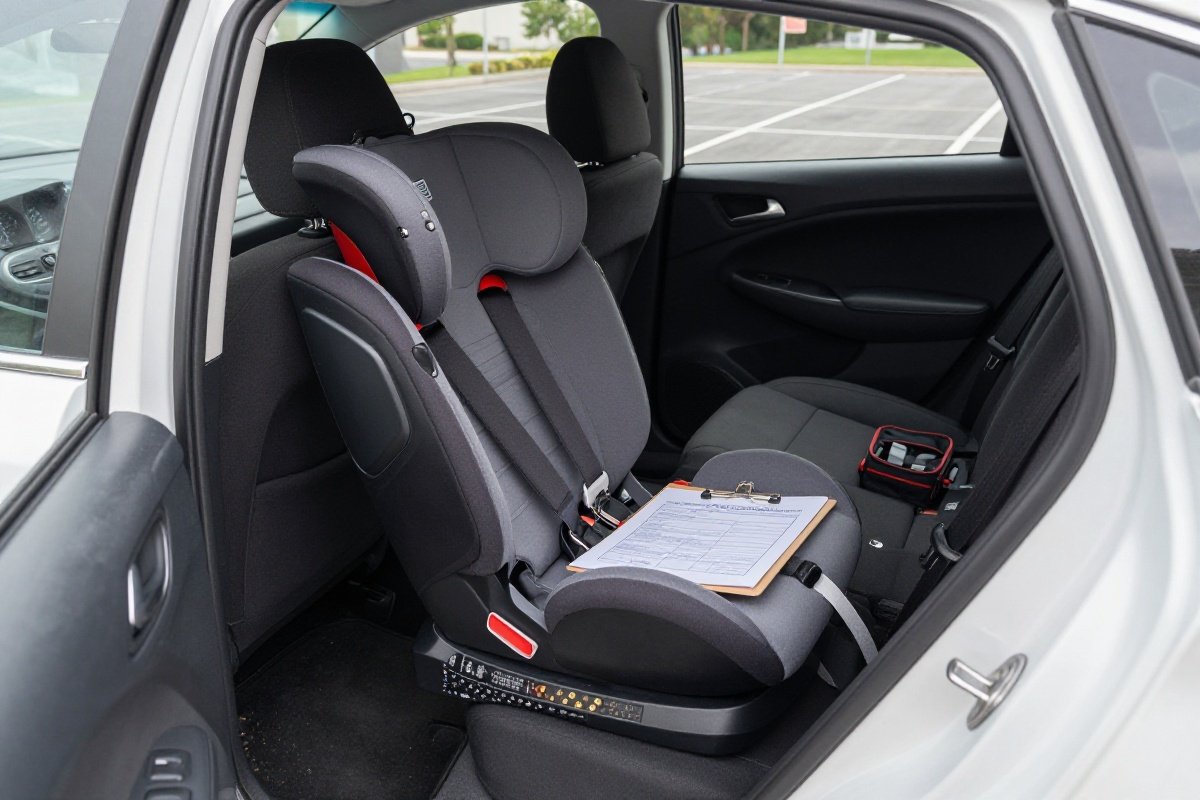
Put those two together and you get the gap CPSTs exist to close. Nearly every family has a car seat, but close to half of the seats technicians looked at had something about them that could cut into the protection the seat was designed to give.
The research note names the single most observed misuse for each seat type: “Incorrect amount of recline, loose car seat installation, and improper lap belt position were the most observed misuses for rear-facing car seats, forward-facing car seats, and booster seats, respectively.” Common mistakes also include incorrect harness height or tightness, using the wrong belt path for the installation method, and failing to use the top tether when required. Each of these can compromise the seat’s ability to protect your child during a crash.
The Real-World Impact
When a car seat is installed correctly according to FMVSS 213 guidelines, it works as designed during a crash - absorbing impact forces, controlling head movement, and keeping the child contained within the protective shell. When installed incorrectly, even by seemingly small margins, the physics of a crash can cause the seat to fail in unexpected ways. A loose installation might allow the seat to rotate or tip during impact, a twisted harness strap can cut into soft tissue, and an incorrect recline angle can allow a young infant’s head to fall forward, potentially compromising their airway.
Common Issues CPSTs Fix
Installation Errors:
- Loose installation (more than 1 inch movement)
- Wrong belt path used
- Incorrect recline angle
- Missing tether strap
- Twisted straps
Selection Errors:
- Seat inappropriate for child’s size
- Seat incompatible with vehicle
- Expired or recalled seat
- Wrong direction for child’s age
Beyond these common issues, CPSTs frequently encounter more subtle problems that parents might not recognize. These include using aftermarket products not tested with the seat (like strap covers or head supports), positioning the chest clip at the wrong height (it should be at armpit level), leaving winter coats on children that create slack in the harness, and misunderstanding weight versus height limits for different seat modes.
Vehicle-Specific Challenges: Modern vehicles present unique installation challenges that CPSTs are trained to navigate. Some common scenarios include:
- Deep vehicle seats that make achieving a tight installation difficult
- Seat belt geometries that don’t work well with certain car seats
- LATCH anchor placements that limit car seat positioning
- Integrated seat belt systems that lock differently than traditional belts
- Reclined vehicle seats that affect car seat angles
CPSTs maintain knowledge of vehicle-specific quirks and can often suggest installation methods or positioning that work better for your particular combination of vehicle and car seat.
Finding a CPST Near You
Online Resources
Safe Kids Worldwide:
- Website: cert.safekids.org
- “Find a Technician” search tool
- Search by ZIP code
NHTSA:
- Website: safercar.gov
- Inspection station locator
- Lists permanent inspection locations
The Safe Kids Worldwide database is the most comprehensive resource for finding CPSTs. The search tool allows you to filter by distance, appointment availability, and whether the technician offers mobile services. You can see each technician’s contact information and often read about their specific areas of expertise, such as preemie positioning or complex special needs installations.
NHTSA’s inspection station locator focuses on permanent locations - fire stations, police departments, and hospitals that regularly offer inspection services. These locations typically have multiple CPSTs on staff and may offer drop-in hours or scheduled appointments. Some stations operate year-round, while others run seasonal programs during peak travel times.
Additional Online Tools:
- Car seat manufacturer websites often list CPSTs who’ve received specialized training on their products
- Local parenting groups and forums frequently maintain lists of recommended CPSTs
- Social media groups dedicated to car seat safety can provide personal recommendations
Local Resources
Fire Departments:
- Many have CPSTs on staff
- Call non-emergency number
- Ask for car seat inspection services
Fire departments have become a primary provider of car seat inspection services across the United States. Many firefighters pursue CPST certification as part of their community service mission. When contacting your local fire department, be prepared that not all stations have CPSTs - ask to be directed to the station or personnel who handle car seat inspections. Some departments offer walk-in hours, while others require appointments scheduled days or weeks in advance.
Police Departments:
- Traffic safety divisions often offer inspections
- Community outreach programs
- Some do checkpoint events
Law enforcement agencies increasingly recognize car seat safety as a traffic safety priority. NHTSA’s Children: 2024 Data note opens by saying motor vehicle traffic crashes are a leading cause of death of children. Police departments often conduct car seat checkpoints at community events, offering free inspections and education. Some have dedicated community service officers or traffic safety specialists who serve as CPSTs.
Children’s Hospitals:
- Often have car seat programs
- May require appointment
- Sometimes offer clinics
Many children’s hospitals operate comprehensive car seat safety programs. These programs often serve multiple functions: helping families install seats before newborn discharge, providing education to expectant parents, fitting specialized seats for children with medical needs, and offering general community inspection services. Hospital-based CPSTs frequently have additional training in positioning medically complex children and can coordinate with your child’s medical team when necessary.
Community Organizations: Safe Kids coalitions operate in communities nationwide, coordinating car seat inspection events and education programs. These coalitions bring together professionals from various sectors - healthcare, law enforcement, fire services, injury prevention - all working toward the common goal of keeping children safe. Many coalitions host regular check-up events, often timed around seasonal travel periods or back-to-school times.
Public health departments in many counties employ or coordinate with CPSTs, recognizing car seat safety as a public health issue. Some offer home visiting programs where a CPST comes to your location, particularly valuable for families facing transportation challenges.
Making Contact
When You Call or Email:
- Mention your child’s age, weight, and height
- Describe your vehicle make and model
- Note if you already have a car seat or need selection guidance
- Specify if you have special circumstances (multiples, special needs, three-across seating)
- Ask about wait times for appointments
Providing this information upfront helps the CPST prepare for your appointment and may alert them to bring specific resources or tools. Some complex situations might require extra time or specialized expertise.
What to Bring
To Your Inspection:
- Your child (for harness fitting)
- Car seat(s) to be checked
- Vehicle owner’s manual
- Car seat manual
- Your questions list
Bringing your child allows the CPST to demonstrate proper harness adjustment, check strap positioning at your child’s current size, and ensure the seat is appropriate for your child’s measurements. If your child is unable to attend, bring accurate height and weight measurements taken recently.
The vehicle owner’s manual contains crucial information about seat belt systems, LATCH locations and weight limits, and approved seating positions for car seats. Many vehicle-specific installation tips are found in this manual. Your car seat manual is equally important - it contains the manufacturer’s specific instructions that must be followed for proper installation, including weight and height limits for each mode, approved installation methods, and positioning requirements.
Additional Helpful Items:
- Registration card or proof of purchase (for recall information)
- Photos of your current installation if you want feedback on your technique
- Notes about specific concerns or difficulties you’ve experienced
- Measurements of your vehicle’s back seat if you’re considering purchasing a new seat
What to Expect
The Inspection Process
Step 1: Assessment
- CPST reviews your current installation
- Checks seat for recalls and expiration
- Verifies appropriateness for your child
The CPST will begin by examining your current setup without judgment. They’ll check the seat for an expiration date (typically found on a sticker or molded into the plastic) and verify it hasn’t been recalled by checking the model number against current recall databases. They’ll measure your child or use the measurements you provide to determine if the seat is appropriate for your child’s size and whether your child should be rear-facing or forward-facing according to AAP recommendations.
The assessment includes checking for signs of wear, damage, or previous crashes that might compromise the seat’s integrity. Whether a seat has to be replaced after a crash is answered by your seat’s own manual. Chicco’s Fit360 manual, for one, says “You MUST replace this Child Restraint if it has been involved in a crash, even if you cannot see visible” damage. FMVSS 213 is a different kind of document: its stated scope is “requirements for child restraint systems used in motor vehicles and aircraft”, aimed at what manufacturers must build and certify. Your CPST will walk you through what your manual says.
Step 2: Education
- Explains what’s correct and incorrect
- Demonstrates proper technique
- Teaches you to achieve same results
Rather than simply fixing your installation, CPSTs focus on teaching you the “why” behind each step. They’ll explain the physics of crashes, how car seats work to protect children, and why each adjustment matters. This educational approach empowers you to maintain proper installation and troubleshoot minor issues independently.
The CPST will demonstrate their technique, often removing your seat completely and starting fresh so you can see each step. They’ll explain the “one-inch test” - checking that the seat doesn’t move more than one inch side-to-side or front-to-back when tested at the belt path. They’ll show you how to achieve proper recline using built-in level indicators or angle adjusters, and they’ll explain how to route the seat belt or LATCH connectors correctly.
Step 3: Practice
- You install the seat with guidance
- CPST verifies correctness
- You practice until confident
Hands-on practice is essential. The CPST will coach you through installing the seat yourself, offering tips and corrections as needed. They’ll watch your technique, identify any habits that might lead to improper installation, and help you develop muscle memory for achieving a tight, correct installation. You might practice multiple times, removing and reinstalling the seat until you’re comfortable with the process.
For harness adjustments, the CPST will show you how to thread straps correctly, position the chest clip at armpit level, and tighten the harness until you can’t pinch any slack at the shoulders. They’ll demonstrate the “pinch test” and have you practice until you can consistently achieve proper tightness.
Step 4: Questions
- Ask anything about car seat safety
- Discuss next stages
- Get resource materials
CPSTs welcome questions and often encourage families to ask about future stages. They can discuss when to transition to the next seat type, including when your child is ready for a booster seat, how to know when your child has outgrown the current seat, and what features to look for when purchasing a new seat. Many CPSTs provide handouts covering topics like winter coat safety, traveling with car seats, and recognizing when professional help is needed.
Timing
- Duration: 20-30 minutes per seat
- Frequency: Check installation monthly
- Re-inspection: Return if you have questions
A typical single-seat inspection takes 20-30 minutes, though first-time parents or complex installations may take longer. If you’re having multiple seats checked or learning about different stages (infant seat plus convertible seat, for example), plan for 45-60 minutes. CPSTs generally don’t rush appointments - they prioritize thorough education over speed.
Between Professional Checks: Perform monthly self-checks at home. Test that the seat still passes the one-inch test, verify that harness straps haven’t twisted, and ensure the seat hasn’t loosened. Children grow quickly, so monthly checks also allow you to verify the harness is at the correct slot height and the child hasn’t outgrown the seat’s limits.
When to Schedule Follow-Up: Return to a CPST when you’re ready to transition to a new stage (rear-facing to forward-facing, forward-facing to booster), when you purchase a new seat, when you get a different vehicle, or whenever you’re uncertain about your installation. Many families develop ongoing relationships with their local CPST, returning for each new stage of their children’s car seat journey.
Special Situations
Three-Across Installations
Fitting three seats in one row requires expertise:
- CPSTs know narrow seat options
- Understand vehicle-specific challenges
- Can suggest optimal configurations
Three-across installations present unique challenges that even experienced parents struggle with. Standard car seats are typically 17-19 inches wide, and vehicle back seats vary considerably in width and LATCH anchor placement. Successfully fitting three seats requires understanding which models are narrower, how to maximize space, and when to use seat belts versus LATCH. Before borrowing a lower anchor from an adjacent seating position, check your vehicle owner’s manual and your car seat manual for whether that position is approved. FMVSS 225, the federal standard here, “establishes requirements for child restraint anchorage systems to ensure their proper location and strength”, which is a rule for carmakers rather than an instruction for your back seat.
CPST Strategies for Three-Across: CPSTs maintain current knowledge of the narrowest seats in each category. For example, models like the Diono Radian 3RXT are specifically designed for three-across installations at about 17 inches wide.
CPSTs understand that infant seats with separate bases often fit better three-across than those with integrated bases, and they know which forward-facing seats have narrower footprints when installed without the base.
Beyond seat selection, CPSTs can suggest optimal positioning - which seat should go in which position based on your children’s ages and which installation methods work best for your vehicle’s specific geometry. They might recommend seat belt installation for outer positions and LATCH for the center position, or vice versa, depending on your vehicle’s setup. They’re also familiar with installation accessories like belt locking clips that can help achieve secure installations in challenging configurations.
Special Needs
Children with medical equipment or positioning needs:
- Specialized seats may be required
- CPSTs coordinate with medical teams
- Ensure safe transportation
Special needs car seat safety requires coordination between medical professionals and CPSTs. Children with conditions like low muscle tone, orthopedic issues, respiratory conditions, or those who use medical equipment like feeding tubes or oxygen require careful assessment to ensure safe positioning.
Medical Complexity Considerations: Some children need specialized restraints beyond standard consumer car seats. These might include car beds for infants who cannot maintain adequate oxygen saturation in a semi-reclined position, vests designed for children who’ve outgrown traditional harnessed seats by weight but aren’t mature enough for seat belts, or custom-modified seats that accommodate medical equipment.
CPSTs trained in special needs transportation work closely with occupational therapists, physical therapists, and physicians to identify appropriate restraint solutions. They understand how to position children with torticollis, how to accommodate casts or orthopedic equipment, and when to recommend evaluation by a rehabilitation specialist for custom seating.
Resources for Families: Many children’s hospitals have specialty clinics that evaluate and fit children with complex needs. Programs like the Automotive Safety Program at Riley Hospital for Children and similar programs nationwide provide comprehensive assessments. CPSTs can refer families to these resources when standard car seats aren’t adequate for a child’s needs.
Premature Infants
Babies born prematurely face unique car seat challenges:
- May not fit appropriately in standard infant seats
- Need car seat tolerance screening before hospital discharge
- Require careful positioning to prevent oxygen desaturation
According to AAP guidelines, infants born before 37 weeks gestation should undergo a car seat tolerance screening (sometimes called a car bed challenge) before hospital discharge. This supervised test ensures the baby can maintain adequate oxygen saturation, heart rate, and breathing pattern while positioned in their car seat.
CPST Support for Preemie Families: CPSTs can help families select infant seats with low harness slot heights and appropriate torso dimensions for small babies. Standard infant seats often have harness slots that position too high for preemies, and some seats have inserts that aren’t safe for premature infants. CPSTs know which models work best for smaller babies and can demonstrate proper positioning without aftermarket products that haven’t been tested with the seat.
Prenatal Consultations
Before baby arrives:
- Learn about seat selection
- Practice installation
- Be ready for hospital departure
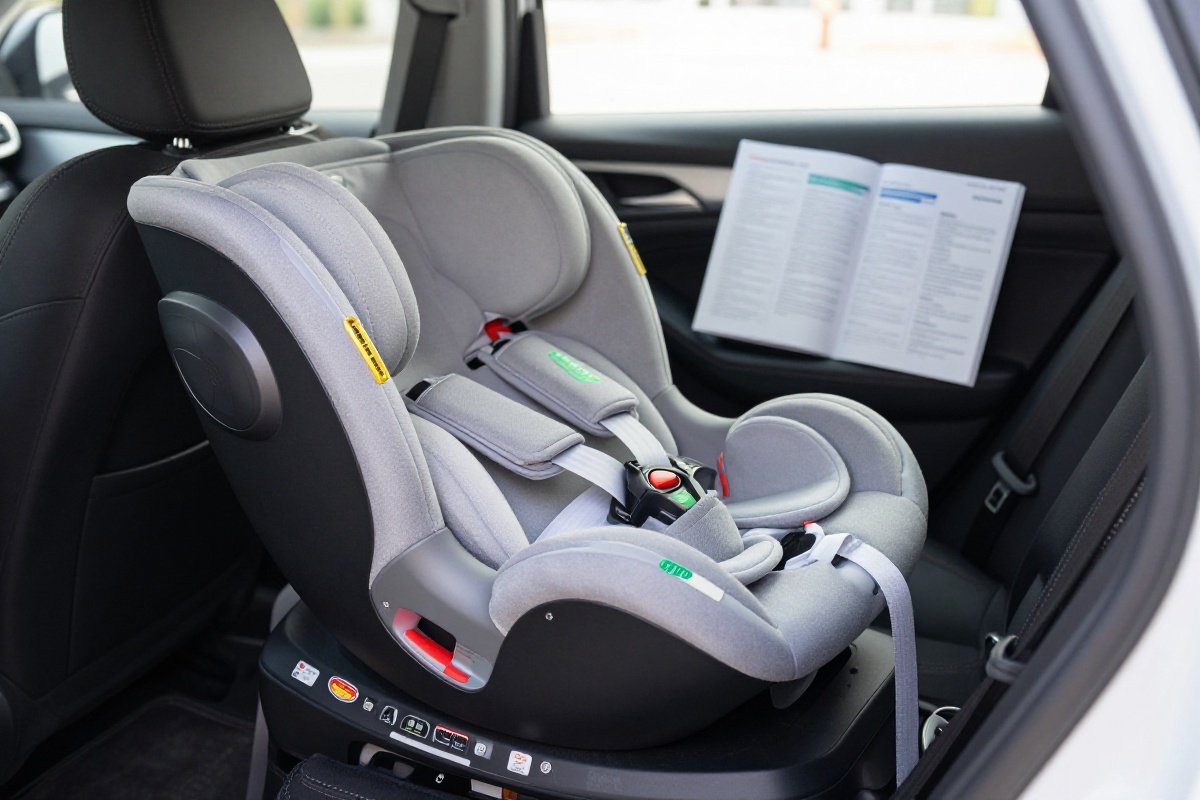
Prenatal consultations have become increasingly popular as expectant parents recognize the value of preparing before the baby’s arrival. These sessions allow you to learn installation techniques without the distraction of a crying newborn, select the most appropriate seat for your vehicle and budget, and troubleshoot any vehicle-specific challenges while you have time to explore solutions.
What to Cover in a Prenatal Consultation:
- Review infant seat options appropriate for your vehicle and whether you need one seat or separate seats for multiple vehicles
- Practice installation and removal of the infant seat base
- Learn how to achieve proper recline for a newborn
- Understand how to secure the carrier portion properly when removed from the base
- Discuss harness adjustment and how to tell if your newborn is positioned correctly
- Plan for common newborn car seat challenges (what to do if baby hates the seat, safe alternatives to thick bunting, positioning premature or small babies)
Many CPSTs recommend scheduling a follow-up check shortly after baby arrives to verify positioning with your actual infant, as babies don’t always fit as expected based on prenatal estimates.
DIY vs. Professional Help
When to See a CPST
Definitely See a CPST If:
- You’re a first-time parent
- You’re installing a new type of seat
- You’re struggling with tightness
- You have a new vehicle
- You’re unsure about anything
The threshold for seeking professional help should be low - car seat safety is not an area where “good enough” is acceptable. Even experienced parents benefit from periodic professional checks, as car seat technology evolves, vehicle designs change, and installation methods improve. NHTSA data consistently shows that parents often believe their installation is correct when critical errors exist.
Additional Situations Requiring Professional Help:
- Your vehicle has inflatable seat belts (common in newer Ford models)
- You need to install a seat in a vehicle with side-facing or rear-facing vehicle seats
- Your child is transitioning between stages and you’re uncertain about timing
- You’re traveling internationally and need to understand car seat regulations in other countries
- You’ve been in a crash and need to determine if the seat must be replaced
- You’re a caregiver (grandparent, nanny, foster parent) who doesn’t regularly install car seats
Cultural and Language Considerations: Some CPST programs specifically recruit multilingual technicians or partner with interpreters to serve diverse communities. If language is a barrier, request a CPST who speaks your language or ask if interpretation services are available. Safe Kids coalitions often prioritize outreach to underserved communities where language or cultural barriers might prevent families from accessing car seat safety resources.
You May Be Okay If
You May Be Okay If:
- You’ve been trained by a CPST before
- You’re reinstalling a familiar seat
- You pass the 1-inch test confidently
Once you’ve received proper training from a CPST and developed confidence in your technique, routine reinstallations of the same seat in the same vehicle can often be handled independently. However, maintain a relationship with your local CPST program for periodic verification checks and for guidance when circumstances change.
Self-Check Guidelines: Between professional inspections, perform thorough self-checks using the criteria your CPST taught you:
- The seat doesn’t move more than one inch at the belt path when tested vigorously
- The recline angle matches the seat’s indicators for your child’s age
- Harness straps emerge from slots at or below shoulder level (rear-facing) or at or above (forward-facing)
- The harness is tight enough that you can’t pinch any slack at the child’s shoulders
- The chest clip is positioned at armpit level
- The top tether is attached. The AAP puts it plainly: “The top tether should always be used with a forward-facing seat, whether you use the seat belt or lower anchors to secure it.”
- All straps are untwisted and properly routed
When DIY Isn’t Working: If you’re spending more than 15-20 minutes trying to achieve a tight installation or if you’re repeatedly unable to get the seat tight enough, stop and seek professional help. Continuing to struggle often leads to frustration and potentially unsafe compromise solutions. CPSTs can often identify the issue quickly - maybe your seat isn’t compatible with your vehicle’s geometry, or perhaps a simple technique adjustment would solve the problem.
Follow-Up Inspections
Check Your Work Monthly:
- Is the seat still tight?
- Are straps untwisted?
- Is harness at correct height?
Monthly checks take only a few minutes but provide critical verification that your installation remains secure. Vehicle seat belts can loosen over time, LATCH connectors can shift, and car seat materials can compress with use. Children grow rapidly, and a harness height that was correct last month might now be too low. The chest clip position that worked for your baby’s winter coat doesn’t work for summer clothing thickness.
What to Look For During Monthly Checks:
- Test the installation tightness by pulling vigorously at the belt path
- Inspect harness straps for twisting, fraying, or other damage
- Check that the harness height remains appropriate as your child grows
- Verify the recline angle, especially for rear-facing infants who grow and change the seat’s center of gravity
- Look for recall notices (sign up for recall alerts at NHTSA.gov)
- Confirm the seat hasn’t exceeded its expiration date
- Remove and vacuum out crumbs and debris that accumulate in the seat
Return to CPST If:
- Seat becomes loose repeatedly
- You’re moving to a new stage
- You get a new vehicle
- You have another child
Recurring looseness suggests either an installation technique issue or an incompatibility between your seat and vehicle. CPSTs can help diagnose the problem and suggest solutions, which might include trying a different installation method, using an alternative seating position, or potentially selecting a different car seat model that works better with your vehicle.
Stage transitions - rear-facing to forward-facing, harnessed seat to booster - are ideal times to verify you’re making the transition at the right time and that your new configuration is correct. The AAP recommends children remain rear-facing until they reach the maximum height or weight for their seat’s rear-facing mode, typically around age 2-4 as outlined in our extended rear-facing guide, yet many parents transition earlier due to misinformation or discomfort with how their child’s legs appear. A CPST can provide evidence-based guidance and reassurance about best practices.
Understanding Car Seat Safety Standards
FMVSS 213 Requirements
The Federal Motor Vehicle Safety Standard 213 governs car seat design and performance in the United States. Understanding these requirements helps parents make informed decisions and appreciate why proper installation matters. FMVSS 213 requires that car seats:
- Withstand specific crash forces without structural failure
- Keep crash test dummies within defined movement envelopes during impact
- Include standardized labeling about weight and height limits
- Provide clear installation instructions
- Meet flammability standards
- Use harness systems that prevent ejection
However, FMVSS 213 represents minimum standards - many manufacturers exceed these requirements. The standard also only tests seats in laboratory crash scenarios that may not represent all real-world crash types. This is why proper installation and use according to manufacturer instructions is essential; the seat must be installed correctly to perform as designed during a crash.
AAP Recommendations vs. Legal Requirements
Parents sometimes confuse legal requirements (which vary by state) with best practice recommendations from the AAP. Legal requirements typically represent the minimum acceptable restraint use, while AAP recommendations reflect current injury prevention research. For example:
AAP Best Practices:
- Rear-facing “as long as possible until they reach the highest weight or height allowed by their car safety seat manufacturer”, in the AAP’s words
- Forward-facing with a harness until they reach the maximum for their seat
- Belt-positioning booster until the vehicle seat belt fits properly, typically at 4’9” tall and age 8-12
- Back seat for all children younger than 13
Typical State Laws: Many state laws only require rear-facing until age 1 or 2, forward-facing harness until age 4 or 5, and booster use until age 7 or 8. Following state law minimums rather than AAP recommendations may be legal but leaves children at increased injury risk during crashes.
CPSTs educate families about the distinction between minimum legal requirements and optimal safety practices, helping parents understand why the AAP asks that infants and toddlers “continue to ride in a rear facing seat as long as possible until they reach the highest weight or height allowed by their car safety seat manufacturer”.
Common Myths CPSTs Debunk
”My child’s legs are cramped rear-facing”
CPSTs frequently address parental concerns about legs looking uncomfortable in rear-facing positions. Children are naturally flexible and typically don’t experience discomfort from bent legs. The AAP’s guidance for families is that all infants and toddlers should ride rear-facing “as long as possible until they reach the highest weight or height allowed by their car safety seat manufacturer”. The limit that governs is the seat’s own, not the look of your child’s knees.
”The seat is safe as long as my child is buckled”
Simply having a child in a car seat doesn’t guarantee protection. The seat must be installed correctly, the child must be harnessed properly, and the seat must be appropriate for the child’s size. NHTSA’s definition of misuse covers both halves of that: anything about installing the seat in the vehicle, or about restraining the child in the seat, “that may reduce the protection of the car seat/booster seat in the event of a crash”. So a seat can have a child properly “buckled” into it and still be counted as misuse.
”LATCH is always safer than seat belt installation”
LATCH (Lower Anchors and Tethers for Children) and seat belt installations, when performed correctly, are equally safe. Lower anchors have weight limits: FMVSS 213 makes manufacturers print a maximum child weight on the seat such that the child plus the seat itself comes to no more than 65 pounds, so the actual number on your label depends on how heavy your seat is. Before sharing an anchor with the seat next door, check your vehicle owner’s manual. In many situations, seat belt installation is actually the better choice. CPSTs help families understand which method works best for their specific situation.
”I can use products to make my child more comfortable”
Aftermarket products - head supports, strap covers, seat protectors, toys that attach to the seat - haven’t been tested with your specific car seat and could interfere with its performance during a crash. FMVSS 213 testing includes only the seat and products that come with it. CPSTs counsel families to use only products that came with the seat or are specifically approved by the car seat manufacturer for use with that model.
”My child can wear a winter coat in the car seat”
Puffy winter coats create dangerous slack in the harness. During a crash, the coat compresses and the child can slip through loose straps. The “coat test” demonstrates this: buckle your child wearing the coat, tighten the harness, remove the child, take off the coat, put the child back in without adjusting the harness - if you can pinch excess webbing at the shoulders, the coat was creating hazardous slack. CPSTs recommend dressing children in thin layers, buckling securely, then covering with a coat or blanket over the buckled harness.
Further Reading
- When Can a Child Sit in the Front Seat? Safety Guidelines
- Benefits of a Load Leg Car Seat: Enhanced Safety Explained
- Car Seat After Accident: When to Replace & Insurance Coverage
Financial Assistance and Resources
Programs That Provide Free Car Seats
Many families face financial barriers to obtaining appropriate car seats. CPSTs can often connect families with programs that provide seats at reduced cost or free:
National Programs:
- Safe Kids coalitions often maintain seat distribution programs for qualifying families
- WIC (Women, Infants, and Children) programs in some states include car seat vouchers
- Medicaid programs in certain states cover car seat costs
State and Local Resources:
- State traffic safety offices often fund low-income family programs
- Local hospitals may provide seats to families meeting income criteria
- Fire departments sometimes maintain seat loaner programs
- United Way agencies frequently coordinate safety equipment distribution
Qualifying for Assistance: Requirements vary by program but typically involve income verification and attending a car seat safety class. Some programs specifically serve high-risk populations, like families with premature infants or those involved in crashes who need replacement seats.
When to Invest in a New Seat
Car seats expire - typically 6-10 years from manufacture date - because materials degrade over time and technology improves. However, families don’t always need the most expensive seat. CPSTs help families balance budget with safety needs:
Budget-Friendly Options CPSTs Recommend: Models like the Graco Extend2Fit provide extended rear-facing capability at accessible price points, while the Safety 1st Grow and Go serves well as a budget-priced backup or travel seat without compromising safety.
These seats meet the same FMVSS 213 standards as premium models but typically offer fewer convenience features or extended use ranges.
When to Invest More: Families might choose higher-priced seats for specific benefits: longer useful life spans that accommodate larger children, easier installation systems like the Britax ClickTight that boost installation confidence, or narrow profiles like the Diono Radian 3RXT for three-across installations. Premium seats aren’t inherently safer than budget models when both are installed correctly, but features that make consistent correct use easier do improve real-world safety outcomes.
Recommended Products
Chicco KeyFit Max ClearTex Infant Car Seat
CPST-recommended infant seatChicco's current infant flagship. Adds an integrated anti-rebound bar over the KeyFit 35 and meets FMVSS 213a (side impact) plus 213b (frontal impact); the SuperCinch and ReclineSure features CPSTs already praised carry over.
What We Like
- Integrated anti-rebound bar (the upgrade over the KeyFit 35 line) adds ~1.5 inches of legroom and reduces forward rotation in a frontal crash
- SuperCinch push-on lower LATCH connectors make a tight installation achievable with minimal force
- Integrated European belt routing for secure baseless installation in taxis, rideshares, or grandparent cars
- 5-position no-rethread harness with an extra inch of headroom vs the KeyFit 30
- Meets FMVSS 213b frontal impact standard and FMVSS 213a side impact standard; GREENGUARD Gold and Baby Safety Alliance verified; FAA approved
What We Don't
- Heavy carrier at 10 lbs, tiring for parents carrying it daily
- Canopy needs two hands to extend fully
- Belt threading under the guides is tedious for baseless installation
- No load leg (a feature Cybex, Nuna, and UPPAbaby offer at higher price points)
Britax Poplar S
Clear belt path for teachingFully exposed, labelled belt paths make it easy to demonstrate a correct install.
What We Like
- ClickTight installation removes most of the guesswork from a tight fit
- Slim 17-inch shell is designed to fit three across
- Extended rear-facing to 50 lbs, matching the premium tier
- ReboundReduce stability bar limits rear-facing rebound movement
- 14-position no-rethread headrest and harness adjust together
What We Don't
- Only 6 recline positions against 10 on the Nuna RAVA
- 1-year limited warranty is short for the price
- At 28 lbs it is no lighter than seats without the slim shell
- Cover is washable but lacks the natural-fibre options of premium rivals
Graco Extend2Fit Convertible Car Seat
Budget CPST pickCPSTs recommend for extended rear-facing on budget.
What We Like
- 50-pound rear-facing limit per AAP guidelines
- 10-year lifespan
- Excellent value for features offered
- Extension panel provides extra legroom for taller babies
What We Don't
- Basic installation without InRight LATCH system
- Bulky design takes up significant vehicle space
Diono Radian 3RXT
3-across solutionCPSTs recommend for challenging 3-across installations.
What We Like
- Slim 17-inch width fits 3 across in most vehicles
- Steel alloy frame with aluminum reinforced sidewalls for superior safety
- Extended 12-year lifespan from rear-facing through booster
- Folds flat for travel and storage
What We Don't
- Requires top tether for forward-facing installation
- Narrow seat width may be snug for larger toddlers
- Heavy weight makes installation and repositioning challenging
Safety 1st Grow and Go
Budget backup seatCPSTs recommend as affordable backup/travel seat.
What We Like
- Budget-friendly price without sacrificing safety standards
- QuickFit harness for easy height adjustments without rethreading
- Machine washable and dryer safe seat pad
- 10-year usable life span
What We Don't
- Bulkier than premium models
- Lower weight limits in each mode compared to competitors
Sources & Research
- Chicco USA Official Product Page
- Chicco KeyFit Max Infant Car Seat Product Manual
- The Car Seat Pros Review
- Amazon Product Listing
- Britax Official Product Page
- Amazon Product Page
- Amazon Product Page
- Graco Official Product Page
- Amazon Product Page
- Diono Radian 3RXT instruction manual (archived; diono.com returns HTTP 423 to all clients)
- Amazon Product Page
- Safety 1st Official
Continue Reading
Explore more car seat safety content or browse our other categories.
Frequently Asked Questions
- What is a CPST and what do they do?
- A CPST (Child Passenger Safety Technician) is a certified professional who has completed rigorous training in car seat safety and installation. Safe Kids Worldwide runs the National CPS Certification Course, which it describes as usually three to four days long, covering all aspects of child passenger safety, including car seat selection, installation methods, vehicle compatibility, special needs transportation, and crash dynamics. They must pass both written and hands-on examinations to earn certification. CPSTs help families by: educating parents about proper car seat use, checking installations for correctness, teaching parents how to install seats themselves, troubleshooting difficult installations, assisting with special needs or medical equipment, providing guidance on seat selection for specific vehicles, and staying current with evolving safety standards through continuing education. CPSTs work in various settings including fire departments, police departments, hospitals, health departments, and as independent consultants. Their services are typically free or low-cost, making expert help accessible to all families. Certification is maintained through Safe Kids Worldwide, and CPSTs must recertify every two years to ensure knowledge stays current.
- How do I find a CPST near me?
- "Finding a certified CPST is easy using several methods: 1) Visit cert.safekids.org and use the "Find a Technician" search tool - enter your ZIP code to find CPSTs within your preferred distance; 2) Contact your local fire department - many departments have certified technicians on staff; 3) Call your local police department's community outreach or traffic safety division; 4) Check with children's hospitals - many have car seat inspection programs; 5) Visit safercar.gov (NHTSA's website) and use their inspection station locator; 6) Contact your state highway safety office for local resources; 7) Search Facebook for local car seat safety groups where CPSTs often volunteer; 8) Ask your pediatrician's office - they may know local resources. Most CPSTs offer free inspections, though some may accept donations. Inspections typically take 20-30 minutes per seat. Many CPSTs also offer virtual consultations for basic questions. When contacting a CPST, mention your specific needs (infant seat, convertible, special needs, multiple children, vehicle type) so they can prepare appropriately. Schedule appointments in advance as popular CPSTs may have wait times."
- What happens at a car seat inspection with a CPST?
- A car seat inspection with a CPST is an educational experience, not just a check of your work. Here's what typically happens: First, the CPST will ask about your child (age, weight, height), your vehicle, and your current seat. They'll verify the seat is appropriate for your child and hasn't expired or been recalled. Then they'll assess your current installation if you've already attempted it, explaining what's correct and what needs adjustment. The CPST will then demonstrate proper installation using either your method or an alternative if it achieves a better fit. They'll teach you how to achieve the same result yourself, having you practice the installation while they guide you. They'll check harness fit on your child (if present) and teach you the pinch test and proper positioning. The CPST will answer all your questions and may provide written materials or resources. They'll also discuss when to move to the next stage (rear-facing to forward-facing, harness to booster) and what seats might work well for your situation. The goal is that you leave confident in your ability to install the seat correctly every time. Most inspections take 20-30 minutes per seat and are free, though donations are often appreciated.
- How much does a CPST inspection cost?
- Most CPST inspections are completely free of charge. CPSTs typically volunteer their time through fire departments, police departments, hospitals, health departments, and Safe Kids coalitions. These organizations offer free inspections as a public safety service. Some independent CPSTs or private consultation services may charge a fee for home visits or private consultations. However, free options are widely available in most communities. If a CPST does accept payment or donations, it's typically to cover costs like inspection forms, educational materials, or to support their coalition's work - not for profit. When you receive a free inspection, consider making a donation to the organization or coalition if you're able. This helps ensure the program can continue helping other families. Never let cost concerns prevent you from seeking help - if you cannot find a free inspection, contact your state highway safety office or Safe Kids coalition for assistance.
- Can a CPST install my car seat for me?
- CPSTs focus on teaching you to install the seat correctly rather than simply doing it for you. This educational approach ensures you can reinstall the seat properly after cleaning, when switching vehicles, or if it becomes loose. However, CPSTs will demonstrate proper installation and guide you through the process step-by-step. They'll show you techniques specific to your vehicle and seat combination, teach you how to achieve proper tightness, and verify your installation is correct before you leave. If you have physical limitations that prevent you from installing the seat yourself, the CPST can install it and then teach a family member or caregiver who can assist you. The goal is always that someone in your family can confidently install and use the seat correctly. CPSTs want to empower parents and caregivers with knowledge, not create dependency. That said, if you're struggling with a particularly difficult installation, a CPST can certainly complete the installation while explaining what they're doing so you understand the process. Remember, you can always return for follow-up checks if you have questions after the initial inspection.
Written By
Kid Sitting Safe
Our team researches car seat safety standards, crash test data, and real-world usability to help parents make the safest choice.
Related Articles
Car Seat After Accident: When to Replace & Insurance Coverage
Learn when car seats must be replaced after accidents. NHTSA guidelines, insurance coverage options, and how to assess if your seat is still safe to use.
Car Seat Installation: A Complete Guide for Parents
Master car seat installation with our comprehensive guide. Learn LATCH vs. seat belt methods, common mistakes to avoid, and expert tips for secure installation every time.

Car Seat Laws by State: How to Find Yours, and Why the Lists Are Wrong
How to find your state's car seat law and read it properly, why the state-by-state lists in circulation are unreliable, and the three states wrongly listed as requiring rear-facing until age 2.