Affiliate Disclosure:Kid Sitting Safe is reader-supported. When you buy through links on our site, we may earn an affiliate commission at no additional cost to you. This does not influence our reviews or recommendations — we only recommend products we genuinely believe in.
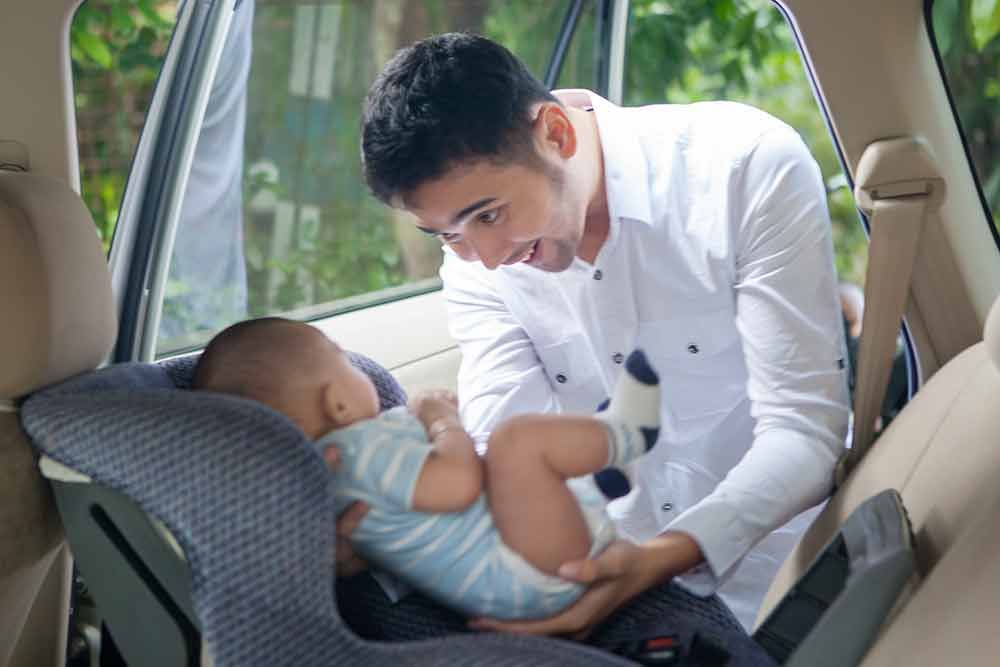
The American Academy of Pediatrics recommends children remain rear-facing until they reach the maximum weight or height limits of their rear-facing car seat - often age 3-4 with modern seats. This recommendation represents one of the most significant safety improvements parents can make, backed by decades of crash data and biomechanical research.
According to NHTSA crash statistics, rear-facing car seats reduce the risk of fatal or serious injury by 71-82% compared to unrestrained children in the same age group. When compared to forward-facing seats for children under age 2, rear-facing provides approximately five times better protection in frontal collisions, which account for roughly 60% of all serious crashes involving children.
The Safety Science
Crash Physics
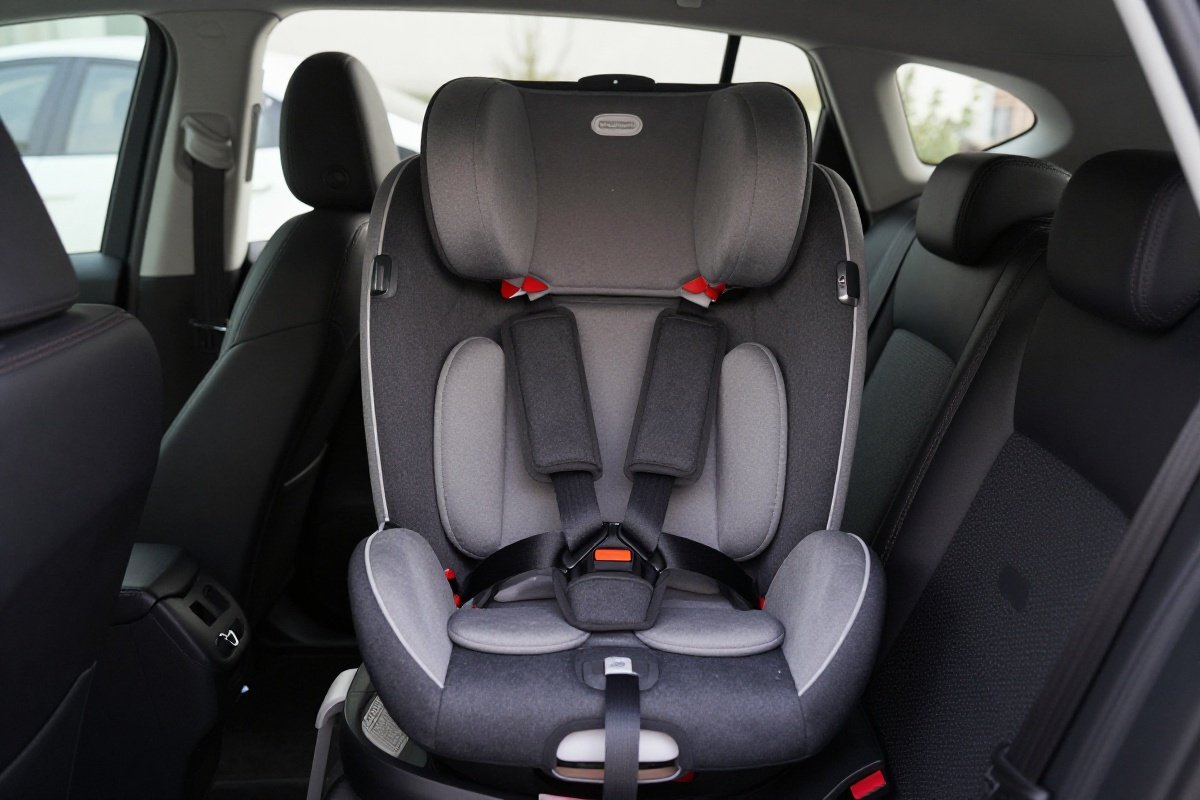
Understanding the mechanics of collision forces helps explain why rear-facing offers superior protection across crash scenarios.
Frontal Collisions:
- Most common crash type, representing 60-70% of serious impacts
- Generate the most severe forces, often 20-30 Gs in moderate crashes
- Rear-facing cradles entire body, distributing force across back and shell
- Head remains supported, preventing the violent forward motion that causes spinal injury
- The car seat shell absorbs and redirects impact energy away from child’s body
Forward-Facing Risk:
- Body restrained by harness at shoulders, hips, and between legs
- Head pulls forward violently - like a bowling ball on a stick
- Strain concentrated on developing neck vertebrae and spinal cord
- Potential for internal decapitation (atlanto-occipital dislocation)
- Internal organs subjected to rapid deceleration forces
Side-Impact Protection: Rear-facing seats also provide advantages in side collisions. The deep seat shell contains the child’s body, preventing lateral head and neck motion. The forces that would snap a forward-facing child’s head sideways are instead absorbed by the seat structure. According to studies published in Injury Prevention, rear-facing children experience 70% less severe head and neck loading in side impacts compared to forward-facing children.
Rollover Crashes: In rollover scenarios, rear-facing children remain better contained within the protective shell. The reclined position and wrap-around design prevent ejection and reduce contact with vehicle interior surfaces. While rollover crashes represent only 2-3% of collisions, they account for a disproportionate number of fatalities, making this protection particularly valuable.
Developmental Factors
Children’s proportions differ dramatically from adults in ways that make rear-facing protection essential during early development.
Head size: Proportionally larger and heavier - a newborn’s head comprises 25% of body weight versus 6% in adults. This massive head-to-body ratio creates tremendous inertial forces during crashes. A 20-pound toddler with a 5-pound head experiences forces equivalent to an adult managing a 30-pound weight on their neck.
Neck muscles: Still developing strength and coordination through age 4-5. The sternocleidomastoid and trapezius muscles that stabilize the head in adults remain weak in young children. Ligaments connecting vertebrae are also more elastic and prone to stretching injury.
Spinal column: More flexible due to incomplete ossification (bone formation). Young children’s vertebrae contain more cartilage, making them vulnerable to injury. The vertebral column can elongate up to 2 inches in infants due to elastic ligaments and cartilaginous vertebrae, but the spinal cord ruptures at just 1/4 inch of stretch - a mismatch that creates injury risk. Per FMVSS 213 testing requirements, car seats must protect these vulnerable anatomical structures.
Body Geometry: Young children have shorter torsos relative to limb length. This geometry means their center of gravity sits higher, amplifying head motion during crashes. The rear-facing position compensates by supporting the entire spinal column from head to tailbone.
AAP Recommendations
Current Guidelines
The American Academy of Pediatrics updated their recommendations in 2018 based on accumulating crash data and improved car seat capabilities:
Minimum: Rear-face until age 2 - this is the absolute minimum, not the goal Recommended: Rear-face to maximum seat limits, typically 40-50 pounds Typical Achievement: Age 3-4 with modern convertible seats Best Practice: Many safety advocates recommend rear-facing to age 5 with seats that accommodate it
These guidelines represent a significant evolution from the old “1 year and 20 pounds” rule that prevailed until 2011. The change reflects better understanding of developmental anatomy and analysis of real-world crash outcomes.
Why Not Age-Based?
Size varies dramatically among children, making age an imperfect proxy for safety transitions. A small 3-year-old and large 18-month-old might weigh the same but have very different developmental needs. Seat limits accommodate this variation better than age recommendations.
According to CDC growth charts, the 5th percentile 3-year-old boy weighs just 26 pounds, while the 95th percentile weighs 38 pounds - a 46% difference. Height varies even more dramatically. This variation explains why the AAP shifted to limit-based recommendations rather than age milestones.
Growth Trajectory Considerations: Some children reach rear-facing height limits before weight limits, while others max out weight first. Tall, slender children might outgrow rear-facing sooner by height, while stockier children reach weight limits. Evaluating both measurements ensures appropriate transitions.
International Perspectives
Sweden, which pioneered extended rear-facing research, recommends rear-facing until age 4-5. Swedish children have among the lowest car crash fatality rates globally - partly attributed to cultural acceptance of extended rear-facing. Some Swedish seats accommodate rear-facing to 55 pounds, though these rarely meet FMVSS 213 requirements for U.S. sale. For a comparison of European and American approaches, see our guide on European vs. American car seat belt paths.
Overcoming Common Concerns
”Their Legs Look Uncomfortable”
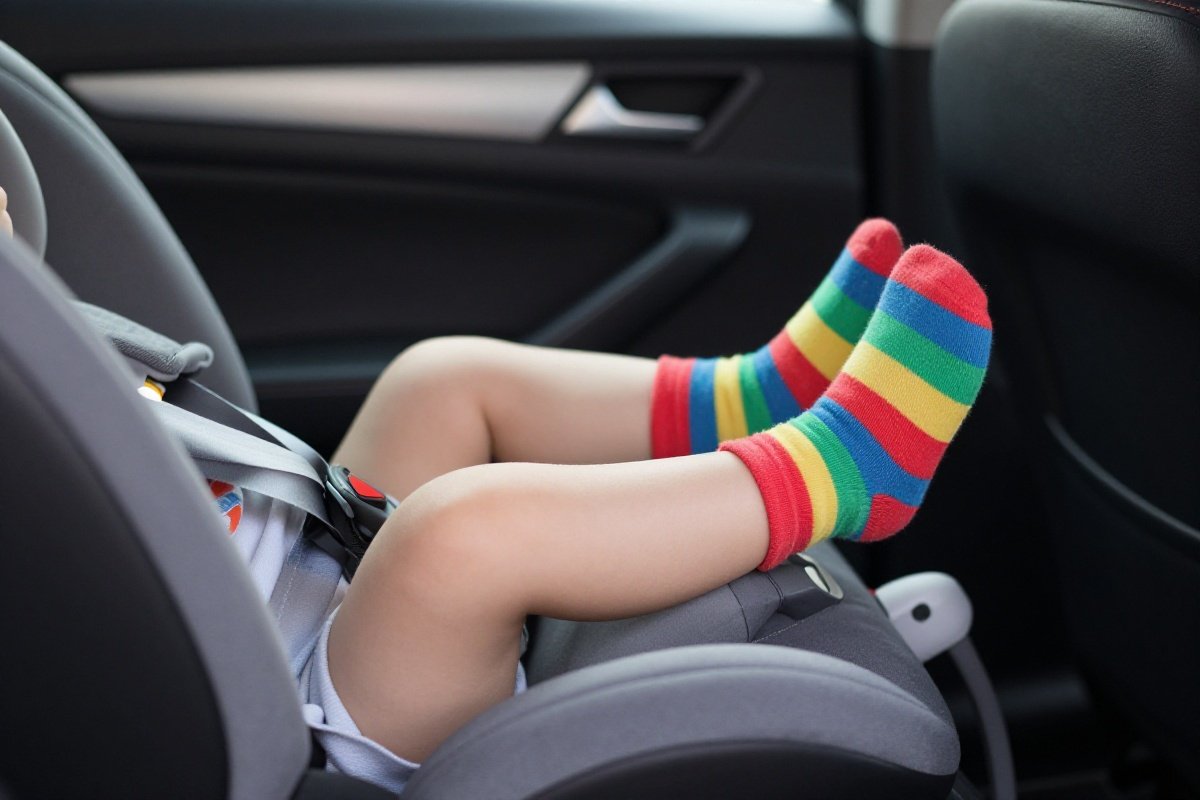
This concern ranks as the most common reason parents turn children forward-facing prematurely, yet research shows it’s unfounded.
Reality: Children are naturally flexible, with hip and knee joints that easily accommodate bent positions. They bend knees, cross legs, prop feet on the vehicle seat back, or tuck legs to the side - positions they often prefer and naturally adopt during play. Watch any toddler sitting on the floor: they rarely sit with legs extended straight.
Orthopedic Research: Studies examining children who rear-faced to age 4-5 found no increase in hip, knee, or leg problems. In fact, some orthopedists suggest that varied leg positioning during car rides may benefit joint development by encouraging different angles and movements.
Leg Injury Risk: Counterintuitively, leg injuries occur less frequently in rear-facing children. Forward-facing children’s legs fly forward in crashes, often striking the front seat with sufficient force to cause femur fractures, knee dislocations, and foot injuries. Rear-facing children’s legs may contact the vehicle seat, but forces are much lower. According to a study in the Journal of Trauma, lower extremity injuries occur in approximately 1.5% of rear-facing children versus 3.6% of forward-facing children in crashes.
Parent Experience: Many parents report that after initial transition concerns, children show no discomfort. Some children even resist switching to forward-facing because they’ve grown accustomed to their rear-facing position.
”They Want to See Forward”
Entertainment and visibility concerns often drive premature transitions, but multiple solutions exist.
Solutions:
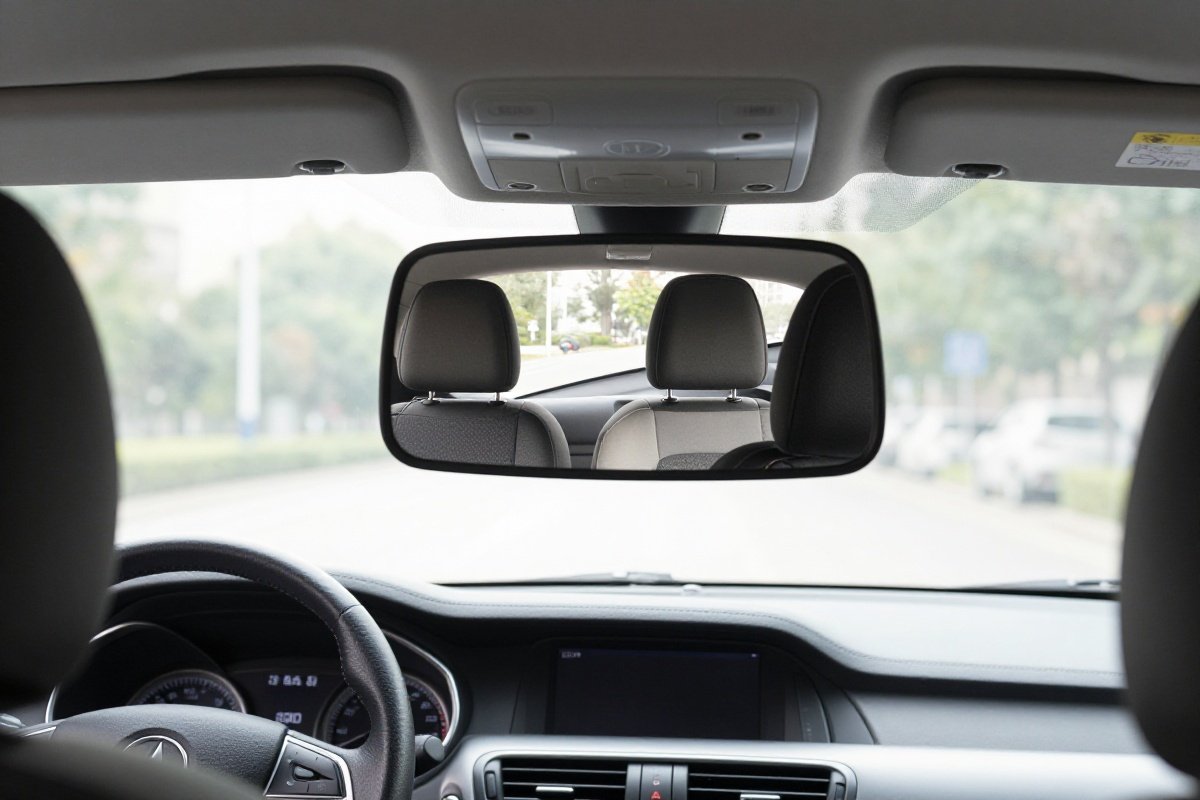
- Install a rear-facing mirror - allows child to see parent and provides visual stimulation
- Talk and sing during drives - engagement matters more than view
- Attach soft, safe toys to car seat handles or headrest
- Place board books in seat pockets for independent-sitting children
- Use window shades with simple patterns or images
- Point out things visible from rear windows: “Look at that truck behind us!”
- Accept temporary fussiness for safety - consistency helps children adapt
Developmental Reality: Infants and young toddlers lack the visual processing capability to meaningfully interpret rapid scenery changes. They’re often more engaged by parent interaction, toys within reach, or simply processing interior visual stimuli. Older toddlers who previously rode forward-facing may protest initially, but typically adapt within 2-3 weeks of consistent rear-facing.
Comparison to Other Safety Rules: We don’t allow children to skip helmets because they prefer wind in their hair, or skip sunscreen because they dislike the feeling. Safety equipment requires parental consistency despite temporary resistance.
”What About Rear Impacts?”
This concern reflects misunderstanding about crash mechanics and relative forces.
Reality: Rear impacts are typically less severe than frontal crashes. According to NHTSA data, rear impacts account for approximately 25% of crashes but only 5-7% of serious injuries. The striking vehicle’s crumple zone and your vehicle’s trunk space absorb much of the impact energy before reaching passengers.
Even in rear impacts, rear-facing children are well-protected by the vehicle seat cushion in front of them and their car seat shell. The reclined position and seat structure prevent excessive rearward motion. Forward-facing children in rear impacts experience violent rearward head motion that can cause whiplash and spinal injury - ironically, the same mechanism that makes rear-facing safer in frontal crashes.
Force Analysis: In a 30 mph frontal crash, the child’s body accelerates forward at 20-30 Gs. In a comparable 30 mph rear impact, the child’s body accelerates backward at 15-20 Gs due to vehicle structure absorbing energy. The already-reclined rear-facing position minimizes this motion, while forward-facing children’s heads snap backward violently.
Risk-Benefit Calculation: The safety benefit in frontal and side crashes far outweighs any theoretical disadvantage in rear impacts. Biomechanical testing consistently shows rear-facing provides superior protection across crash types.
Seats That Enable Extended Rear-Facing
High Weight Limit Options
Modern convertible car seats offer rear-facing limits of 40-50 pounds, enabling most children to rear-face to age 4-5. Selecting an appropriate seat requires balancing features, budget, and vehicle fit.
| Seat | Rear-Facing Limit | Key Features | Value |
|---|---|---|---|
| Graco Extend2Fit | 50 lbs | Extension panel for legroom, budget-friendly | Budget |
| Clek Foonf/Fllo | 50 lbs | Steel anti-rebound bar, rigid LATCH, wool fabrics | Premium |
| Nuna RAVA | 50 lbs | Extended legroom, plush fabrics, easy recline | Premium |
| Britax Boulevard | 40 lbs | Impact-absorbing base, ClickTight installation | Mid-Range |
Selection Criteria
Weight and Height Limits: Higher limits extend usability. Check both measurements - your child may outgrow by height before weight or vice versa.
Vehicle Fit: Measure your vehicle’s back seat depth. Compact cars may struggle accommodating larger rear-facing seats. Some seats (like the Clek Fllo) are designed narrower for smaller vehicles.
Installation System: Consider whether you’ll use LATCH or seat belt installation. Some seats offer both options with different weight limits. Per FMVSS 225, LATCH has a federal limit of 65 pounds (child + seat weight combined), though some vehicle manufacturers set lower per-child weight limits. Once the combined weight is exceeded, seat belt installation is required.
Recline Adjustment: Easy recline adjustment helps achieve proper angle (typically 30-45 degrees for rear-facing) across vehicle seats of varying angles.
Legroom Features: Extension panels (Graco Extend2Fit) or extra depth (Nuna RAVA) provide more leg space, addressing the most common parent concern about extended rear-facing. Longevity: All-in-one seats that convert from rear-facing through booster eliminate future seat purchases, though they’re bulkier and may not fit all vehicles well rear-facing.
Real-World Implementation
Starting Extended Rear-Facing
From Birth: The ideal path begins with extended rear-facing as the plan from day one:
- Use rear-facing infant seat to limits (typically 30-35 lbs or 32-35 inches)
- Transition to convertible seat rear-facing before outgrowing infant seat
- Continue rear-facing in convertible seat to 40-50 pound limit or age 4-5
- Only turn forward-facing when absolutely necessary due to size limits
This progression maximizes protection throughout the most vulnerable developmental period. Planning ahead helps parents mentally commit to extended rear-facing before facing social pressure or convenience temptations.
Already Forward-Facing: It’s never too late to turn back to rear-facing if your child remains within the seat’s rear-facing limits. Many parents who learn about extended rear-facing safety after turning their child forward-facing successfully switch back.
If your child is under the rear-facing weight and height limits, consider switching back to rear-facing. Explain to older children: “I learned this is safer for you, like wearing a helmet on your bike.” Most children adapt quickly, especially with consistent routines.
Explaining to Extended Family: Grandparents and others who learned outdated “1 year and 20 pounds” rules may question your choices. Prepare simple explanations: “The American Academy of Pediatrics now recommends rear-facing to age 4 based on crash research showing it’s five times safer.” Share AAP resources or NHTSA information to support your decision.
Vehicle Considerations
Space Requirements: Rear-facing requires more front-to-back space than forward-facing installation. The seat must recline at proper angle (30-45 degrees), and the child’s legs need space to bend comfortably.
Solutions for space-challenged vehicles:
- Adjust front passenger seat forward if needed - passenger leg room sacrifices for child safety
- Consider narrow-profile seats (Clek Fllo, Diono Radian) that maximize space efficiency
- Install rear-facing in center position if LATCH anchors available - often provides most space
- Remove front seat headrests if they interfere with proper rear-facing angle (if removable per vehicle manual)
Multiple Children: Installing multiple car seats becomes more challenging with rear-facing configurations. Options include:
- Three-across capable seats (Diono Radian, Clek Foonf/Fllo) designed for narrow installation
- Combination of rear-facing infant seat (narrower) with convertible for older child
- Larger vehicle if current vehicle cannot accommodate needed seats safely
Compact and Midsize Vehicles: Honda Civic, Toyota Corolla, Mazda3, and similar compact sedans can accommodate rear-facing seats, though installation requires careful measurement. Subcompact cars (Smart Fortwo, Fiat 500) may prove challenging. Check car seat manufacturer compatibility guides for your specific vehicle model.
Installation Best Practices
Proper installation is critical for rear-facing effectiveness. Per FMVSS 213 requirements, car seats must pass crash testing when installed correctly - but incorrect installation negates much of this protection.
Angle Indicators: Most seats include angle indicators or adjusters. Proper recline (typically 30-45 degrees depending on child’s age) prevents airway obstruction and positions the seat for optimal crash protection.
Tightness Test: After installation, grab the seat at the belt path and attempt to move it side-to-side and forward. Movement exceeding 1 inch indicates loose installation. Reinstall with more tension on LATCH strap or seat belt.
LATCH vs. Seat Belt: Either system works if properly used. LATCH often feels easier initially but has weight limits (65 pounds child + seat combined per federal standard, though some vehicle manufacturers set lower limits). Seat belt installation has no weight limit and works in any seating position.
Center Position: When possible, center rear position offers best crash protection by maximizing distance from impact zones. However, not all vehicles have center LATCH anchors, and some center positions prove difficult for achieving tight installation.
Professional Inspection: Locate a certified Child Passenger Safety Technician (CPST) through NHTSA’s database. Free inspection stations operate nationwide, staffed by trained technicians who verify installation and fit. According to NHTSA, a significant percentage of car seats are installed incorrectly - professional verification provides peace of mind.
Extended Rear-Facing Beyond Age 4
Seats with Higher Limits
Some newer seats accommodate rear-facing beyond typical 50-pound limits. For a full comparison, see our best convertible car seat roundup:
Graco Extend2Fit 3-in-1: Rear-facing to 50 pounds, and Graco publish no rear-facing height limit in inches for it. The rear-facing criterion is that the child’s head sits at least 1 inch below the handle, so a tall child is governed by shell height rather than a stated number. The 49-inch figure you’ll see quoted for this seat is its forward-facing limit.
Diono Radian 3RXT: Rear-facing to 50 pounds with tall shell, though installation may challenge smaller vehicles due to seat depth.
Swedish seats available through specialty retailers sometimes offer 55-pound rear-facing limits, though these may not meet FMVSS 213 requirements and should be verified for U.S. legal compliance.
Practical Considerations for Older Children
Rear-facing a 5-year-old requires addressing practical challenges:
Peer Pressure: Older children notice that friends ride forward-facing. Emphasize safety without creating fear: “Different families make different choices. Our family chooses the safest option.”
Independence: Older rear-facing children may struggle with self-buckling. Practice at home when parked. Consider seats with easier buckle access for rear-facing positions.
Long Trips: Extended rear-facing on long road trips may increase complaints. Plan extra stops, bring engaging audio content (stories, music), and maintain consistent expectations.
Transitioning to Forward-Facing
When to Turn Forward
Turn forward-facing only when your child reaches the rear-facing weight OR height limit of their car seat. This typically occurs around age 4-5, though some children reach limits earlier due to height.
Height Limit Indicators:
- Top of head reaches within 1 inch of seat shell top (most seats)
- Head exceeds highest harness slot position in rear-facing mode
- Check manufacturer instructions - specifications vary by model
Weight Limit: Clearly stated on seat label and manual. Never exceed this limit rear-facing.
Do Not Rush: If your child seems “big” but remains within limits, continue rear-facing. Visual perception of size doesn’t determine safety - actual measurements do.
Forward-Facing Harnessed Seats
After outgrowing rear-facing, children should ride forward-facing in a harnessed car seat (not booster) until reaching that seat’s forward-facing limits - typically 65 pounds and 49 inches. According to AAP recommendations, children should remain in harnessed seats as long as possible before transitioning to boosters.
Forward-facing installation still requires proper recline (more upright than rear-facing), tight installation, and correct harness positioning. Ensure car seat straps are tight enough using the pinch test. Top tether must always be used forward-facing - it reduces head excursion (forward motion) by 4-6 inches in crashes, significantly reducing injury risk.
Further Reading
- Car Seat Laws by State: Complete Guide for Parents 2026
- Car Seat Safety Guide: AAP Guidelines & Essential Tips for Parents
- Car Seat Statistics 2024: Usage, Safety & Misuse Data
Long-Term Safety Continuum
Extended rear-facing represents one component of comprehensive child passenger safety:
Proper Progression:
- Rear-facing infant seat or convertible: birth to 40-50 pounds (age 4-5)
- Forward-facing harnessed seat: 40-50 pounds to 65 pounds (age 4-5 to 7-8)
- High-back booster: 65 pounds to 100 pounds and 4’9” tall (age 7-8 to 10-12)
- Seat belt: when child passes 5-step fit test, typically age 10-12
Each stage provides age-appropriate protection. According to NHTSA, car seats reduce fatal injury risk by 71% for infants under 1 and 54% for toddlers aged 1 to 4, in passenger cars. Boosters reduce injury risk by 45% for children ages 4-8 compared to seat belts alone.
Consistency Across Vehicles: Maintain appropriate restraint stage in all vehicles children ride in - parent vehicles, grandparent vehicles, carpools. Supply appropriate car seats to all regular caregivers. Inconsistent protection undermines safety efforts.
Recommended Products
Graco Extend2Fit Convertible Car Seat
Best ERF valueBest value for extended rear-facing with highest weight limit.
What We Like
- 50-pound rear-facing limit per AAP guidelines
- 10-year lifespan
- Excellent value for features offered
- Extension panel provides extra legroom for taller babies
What We Don't
- Basic installation without InRight LATCH system
- Bulky design takes up significant vehicle space
Clek Foonf
Best premium ERFPremium extended rear-facing with maximum safety features.
What We Like
- Anti-rebound bar reduces rotation in rear-facing collisions
- Rigid LATCH installation provides secure attachment
- Steel and magnesium construction offers superior crash protection
- REACT safety system absorbs impact energy
What We Don't
- Highest price point in convertible category
- Very heavy at 38 pounds makes vehicle transfers impractical
- Only 2 recline positions may not suit all vehicles
Sources & Research
Continue Reading
Explore more car seat safety content or browse our other categories.
Frequently Asked Questions
- Why is extended rear-facing safer?
- Extended rear-facing is significantly safer because it better protects a child's head, neck, and spine in frontal collisions - the most common and severe type of crash. In rear-facing seats, the shell cradles the entire body, distributing crash forces across the back and absorbing energy. The head is supported and doesn't violently whip forward. In forward-facing seats, the body is restrained by the harness but the head pulls forward with tremendous force on the relatively weak neck - a phenomenon called "internal decapitation" in severe cases. Children's heads are proportionally larger and heavier than adults', and their neck muscles and spinal columns are still developing, making them especially vulnerable to these forces. Crash data consistently shows rear-facing children suffer fewer and less severe injuries. The AAP recommends rear-facing until maximum seat limits, typically age 3-4 with modern 40-50 pound limits.
- Won't my child be uncomfortable with their legs bent or touching the seat back?
- No, children are naturally flexible and find rear-facing positions comfortable. They'll simply bend their knees, cross their legs, or prop them up on the seat - positions they often prefer anyway. There's no evidence that leg injuries occur more frequently rear-facing; in fact, leg injuries are more common forward-facing where legs can fly forward and hit the front seat. Children adapt quickly to rear-facing and don't know any different if they've never faced forward. Complaints about comfort usually come from adults projecting their own discomfort with the position. If your child seems genuinely uncomfortable, try a different seat with more legroom (like the Graco Extend2Fit with its extension panel) or add a mirror so they can see you. The safety benefits far outweigh any minor adjustment to leg positioning.
- What if I get hit from behind - wouldn't forward-facing be safer then?
- Rear-end collisions are typically less severe than frontal crashes because vehicles move in the same direction, reducing impact forces. The striking vehicle's brakes are often applied, and both vehicles' crumple zones absorb energy. Additionally, the vehicle seat provides a buffer between the child and impact. Even in severe rear impacts, rear-facing children are still well-protected because the seat shell supports their entire body. Frontal and side impacts cause more serious injuries statistically, and rear-facing provides superior protection for these more dangerous scenarios. The slight theoretical disadvantage in severe rear impacts is outweighed by the substantial benefits in frontal and side crashes. No safety organization recommends forward-facing to prepare for rear impacts - the data clearly supports extended rear-facing for overall protection.
- When is my child too big for rear-facing?
- Your child is too big for rear-facing when they exceed either the weight limit OR the height limit of their rear-facing car seat - not at a specific age. Most modern convertible seats accommodate children rear-facing to 40-50 pounds and up to 49 inches tall. For most children, this means they can remain rear-facing until age 3-4. Check your specific seat's limits in the manual. Height limits are usually reached when the child's head is within 1 inch of the top of the seat shell (or per manufacturer instructions). Weight limits are absolute - never exceed them. If your child is growing out of their current rear-facing seat, consider a convertible seat with higher limits rather than turning forward-facing. The investment in a seat with 50-pound rear-facing capacity can provide an additional year or more of safer positioning.
- How do I keep my rear-facing child entertained?
- Entertaining a rear-facing child is manageable with creativity: Install a shatterproof mirror so your child can see you and you can see them - many babies enjoy making faces at themselves. Attach soft toys to the seat with links or clips (never hard toys that could become projectiles). Sing songs, talk, and narrate your drive. Place a photo book or soft book within reach. For toddlers, audiobooks and children's music provide entertainment. Schedule drives during nap times when possible. Accept that some fussing is normal - safety comes first. As children get older, explain why they ride rear-facing ("it's the safest way for big kids like you"). Many children who face forward later ask to turn back around because they preferred rear-facing! The temporary entertainment challenge is worth the significant safety benefit.
Written By
Kid Sitting Safe
Our team researches car seat safety standards, crash test data, and real-world usability to help parents make the safest choice.
Related Articles
Car Seat After Accident: When to Replace & Insurance Coverage
Learn when car seats must be replaced after accidents. NHTSA guidelines, insurance coverage options, and how to assess if your seat is still safe to use.
Car Seat Installation: A Complete Guide for Parents
Master car seat installation with our comprehensive guide. Learn LATCH vs. seat belt methods, common mistakes to avoid, and expert tips for secure installation every time.

Car Seat Laws by State: How to Find Yours, and Why the Lists Are Wrong
How to find your state's car seat law and read it properly, why the state-by-state lists in circulation are unreliable, and the three states wrongly listed as requiring rear-facing until age 2.