Affiliate Disclosure:Kid Sitting Safe is reader-supported. When you buy through links on our site, we may earn an affiliate commission at no additional cost to you. This does not influence our reviews or recommendations — we only recommend products we genuinely believe in.
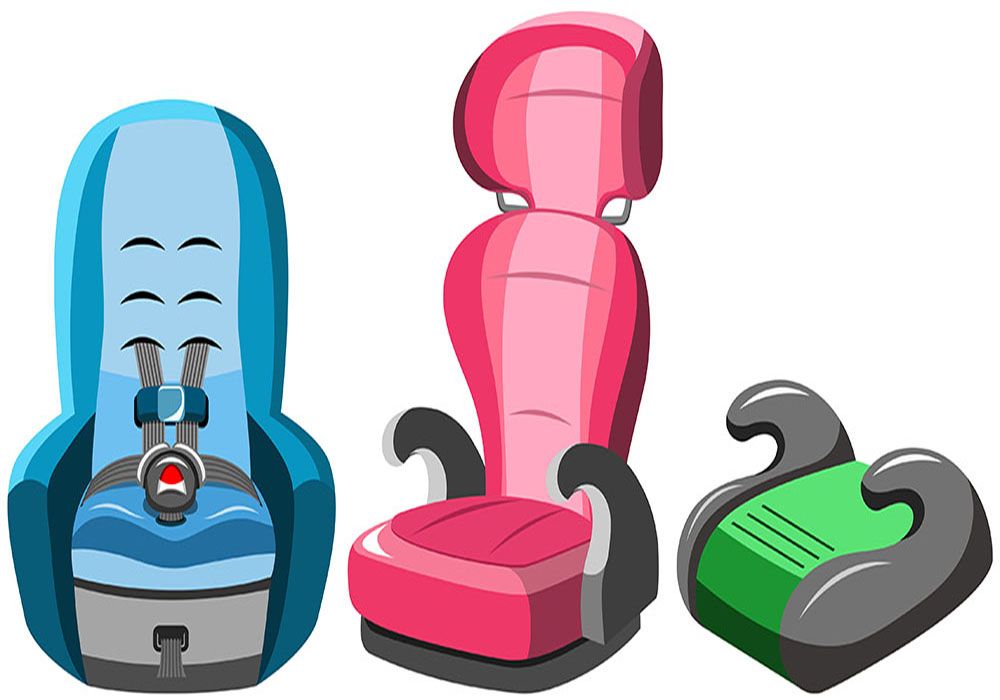
Understanding car seat types and ratings is essential for keeping your child safe through every stage of development. From newborn carriers to booster seats, each type serves a specific purpose and offers unique features.
This comprehensive guide explains all car seat types, what NHTSA ratings actually measure, and how to navigate the choices to find the right seat for your child. Once you know which type you need, our top-rated car seats roundup can help narrow your search.
Understanding the Four Stages of Child Passenger Safety
Child passenger safety follows a progression based on physical development and safety research. According to the AAP, children should remain rear-facing until they reach the maximum height or weight limits.
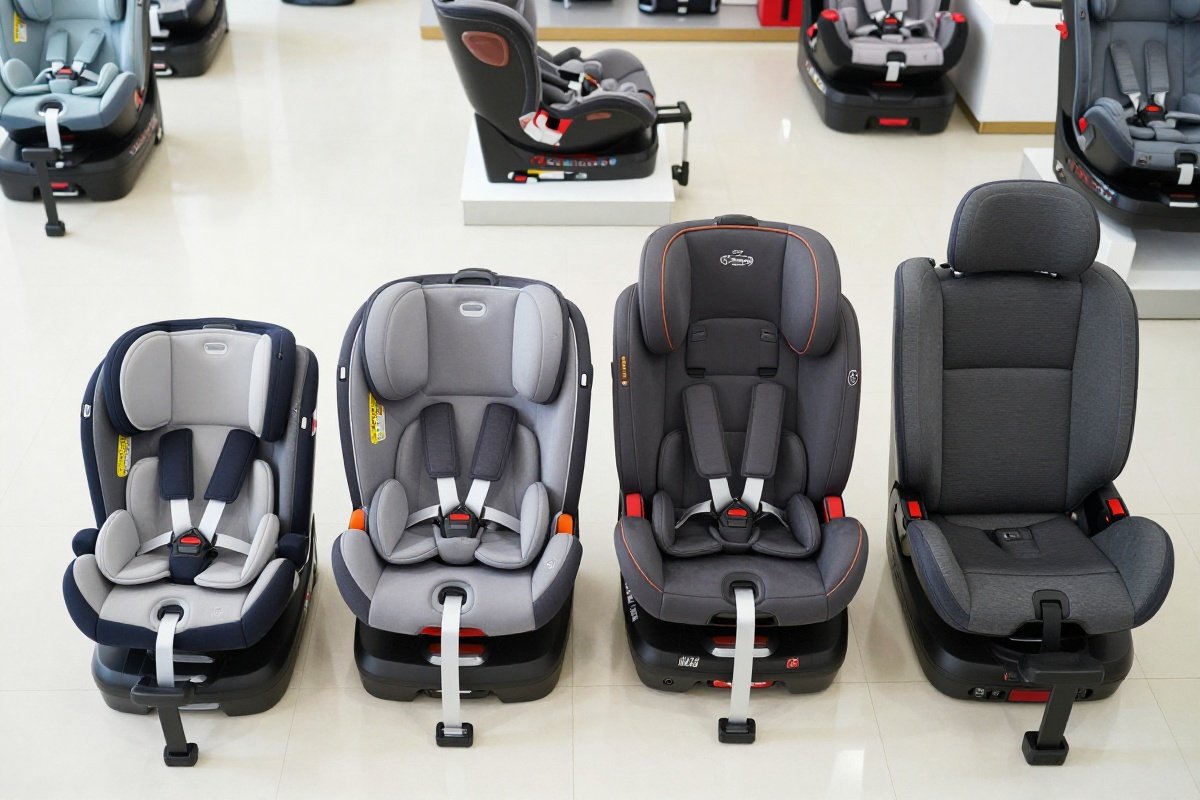
Stage 1: Rear-Facing (Birth to 2-4 years) Rear-facing provides superior protection for a child’s developing head, neck, and spine. The CDC puts the value of the seat itself at a 71 to 82% reduction in the risk of injury in a crash, measured against seat belt use alone.
Stage 2: Forward-Facing with Harness (2-7 years) The AAP recommends against graduating children to the next stage prematurely. The five-point harness continues secure protection after rear-facing limits are exceeded.
Stage 3: Belt-Positioning Booster (5-12 years) Booster seats raise children so adult seat belts fit across the chest and hips.
Stage 4: Seat Belt Only (8+ years, 4’9” tall) Children transition when they can sit with knees bending at the seat edge.
NHTSA Guidelines by Age and Size
NHTSA groups the seat types by the stage each one is built for. Following that sequence is what the guidance is for.
Birth to 12 months: Rear-facing car seat required. NHTSA recommends keeping children rear-facing as long as possible.
1 to 3 years: Continue rear-facing until reaching maximum height or weight limits. According to the AAP, children should remain rear-facing until they reach the maximum height or weight limits.
4 to 7 years: Keep children forward-facing with a harness until they outgrow it.
8 to 12 years: Use a booster seat until adult seat belts fit properly. The AAP recommends against graduating children to the next stage prematurely, even if children meet minimum requirements.
Remember - height and weight limits take precedence over age when determining seat type. State laws set the legal minimum but they’re often behind best-practice; see our car seat law guide for the rules in your state.
Common Transition Mistakes
Even well-meaning parents make errors when moving children between stages. Understanding these pitfalls maintains safety.
Mistake 1: Forward-Facing Too Early Many parents switch children at their first or second birthday. The AAP’s wording is that “all infants and toddlers should continue to ride in a rear facing seat as long as possible until they reach the highest weight or height allowed by their car safety seat manufacturer”, which is a limit, not a birthday.
Mistake 2: Booster Seat Too Soon Children should remain in a five-point harness until exceeding weight or height limits, typically 65 pounds.
Mistake 3: Seat Belt Without Booster Adult seat belts fit passengers 4’9” and taller.
Mistake 4: Following Age Over Size Each car seat type is built for a particular stage. Prioritize the seat’s own limits over age recommendations.
The Four Main Car Seat Types
1. Infant Car Seats (Rear-Facing Only)
Weight Range: 4-35 pounds Age Range: Newborn to 9-15 months Orientation: Rear-facing only
Key Features:
- Portable carrier with detachable base
- Lightweight (7-11 pounds without baby)
- Click-in compatibility with strollers
- Convenient for transporting sleeping babies
When to Use: For newborns through approximately 9-15 months, or until your baby exceeds the height/weight limits. The portability makes infant seats ideal for the first year, though they’re outgrown relatively quickly.
Best For: New parents who want the convenience of a portable carrier and travel system compatibility. See our best infant car seat brands for top picks.
2. Convertible Car Seats
Weight Range: 5-65 pounds (varies by model) Age Range: Newborn through approximately 5-7 years Orientation: Rear-facing AND forward-facing
Key Features:
- Stationary installation (not portable)
- Higher weight limits for extended rear-facing
- Grows with child from infancy through preschool
- Better value over long term
When to Use: Can be used from birth (if rated for newborns) or transitioned to after outgrowing an infant seat. Use rear-facing until the seat’s own height or weight limit is reached, which is what the AAP asks for, then forward-facing until harness limits are reached.
Best For: Parents wanting one seat to last through multiple years, or those skipping the infant seat stage. Browse our best convertible car seat picks for recommendations, or see our rotating car seats guide if you’re considering a 360° convertible.
3. All-in-One (3-in-1) Car Seats
Weight Range: 4-120 pounds Age Range: Newborn through approximately 10-12 years Orientation: Rear-facing, forward-facing, AND booster
Key Features:
- Only seat needed from birth until seat belt readiness
- Three modes in one unit
- Often the most economical long-term choice
- May sacrifice some features of dedicated stage seats
When to Use: From birth (check newborn minimums) all the way through booster age. Ideal for families who want to buy once and be done.
Best For: Budget-conscious families and grandparents who need seats for occasional use.
4. Booster Seats
Weight Range: 40-120 pounds Age Range: Approximately 5-12 years Orientation: Forward-facing only, using vehicle seat belt
Types:
- Highback boosters: Include back and head support, guide shoulder belt
- Backless boosters: Just the base; child uses vehicle seat back
- Combination seats: Convert from 5-point harness to booster
When to Use: When your child exceeds forward-facing harness limits (typically 65 pounds) AND can sit properly for entire trips.
Best For: School-age children who have outgrown harness seats but aren’t tall enough for adult seat belts. Our booster seat reviews compare the top options.
Extended Rear-Facing Benefits
Extended rear-facing has gained momentum supported by safety research. According to the AAP, children should remain rear-facing until they reach the maximum height or weight limits.
Superior Crash Protection In frontal collisions, rear-facing seats cradle the child’s entire back, neck, and head. The seat shell absorbs crash forces distributed across the entire body. Learn more in our dedicated extended rear-facing guide.
Head and Spine Protection Young children have proportionally larger heads and weaker neck muscles, which is the reason a rear-facing shell that spreads the load across the whole back matters more at this age than at any later one.
Modern Seat Capabilities Today’s convertible seats accommodate rear-facing up to 40-50 pounds. FMVSS 213 requires all seat types to pass rigorous safety testing before sale. Our roundup of the best rear-facing car seats for 2026 covers the seats with the highest rear-facing weight limits.
Real-World Results Sweden keeps children rear-facing until age 4-6, far longer than US practice.
Understanding Car Seat Ratings
NHTSA Ease-of-Use Ratings
NHTSA rates car seats on ease of use, not safety. All car seats sold in the US must meet the same FMVSS 213 safety standard.
Rating Categories (1-5 stars each):
-
Evaluation of Instructions
- Clarity of manual
- Completeness of information
- Availability of online resources
-
Vehicle Installation Features
- Compatibility with vehicle belt systems
- Ease of achieving tight installation
- LATCH accessibility
-
Evaluation of Labels
- Visibility of warnings
- Clarity of labels
- Location of information
-
Securing the Child
- Harness adjustment ease
- Buckle operation
- Chest clip positioning
What the Stars Mean:
- 5 stars: Easiest to use correctly - lowest risk of installation/usage errors
- 3 stars: Average ease of use
- 1 star: Most difficult - higher risk of errors
Why Ease of Use Matters
A seat only performs the way it was certified to perform if it’s installed the way the manual says, so installation errors undo the engineering. A 3-star seat installed correctly provides better protection than a 5-star seat installed incorrectly, and easier-to-use seats tend to be installed correctly more often.
FMVSS 213: The Safety Baseline
What It Is
Federal Motor Vehicle Safety Standard 213 sets minimum requirements for child restraint systems. Every car seat sold in the US must comply.
Testing Requirements
- Dynamic testing: Simulated 30 mph frontal crashes
- Structural integrity: Seat must maintain protective structure
- Flammability: Fabric must resist ignition
- Labeling: Required warnings and information
- Instructions: Comprehensive usage guidance
The “Meets or Exceeds” Language
You’ll see this on car seat labels. “Meets FMVSS 213” is the legal minimum. “Exceeds” typically refers to side-impact protection or higher weight limits - not the baseline crash testing.
Choosing the Right Seat for Your Vehicle
FMVSS 213 requires all seat types to pass rigorous safety testing before sale, but real-world fit depends on your specific car.
Compact Cars Small vehicles have limited backseat space. Look for compact seats and measure depth before purchasing.
Pickup Trucks Ensure proper LATCH anchor locations. Never install rear-facing seats in front of active airbags.
Three-Across Configurations Measure interior width. Narrower seats (17 inches or less) work best for fitting three across.
LATCH Weight Limits Remember LATCH has weight limits. NHTSA’s instruction is to read the label on the side of the seat, and to fall back on 65 pounds minus the seat’s own weight only if there isn’t one. Switch to seat belt installation when you hit whichever figure applies.
Test Before You Buy Test the actual seat in your vehicle before purchasing, or buy from retailers with generous return policies.
Further Reading
- Car Seat Expiration: Why It Matters & How to Check Dates
- Car Seat Technology Innovations 2024-2026: Smart Safety Features
- European vs American Car Seat Belt Paths: Which Is Safer?
Infant vs. Convertible: The Big Decision
Many parents wonder whether to start with an infant seat or go straight to a convertible.
Start with Infant Seat If:
- You want portable carrier convenience
- You want travel system stroller compatibility
- Your baby is born prematurely or very small (some convertibles fit poorly on tiny newborns)
- You don’t mind buying a second seat later
Start with Convertible If:
- You want to minimize purchases
- You don’t need portability (baby wears/carried when out of car)
- Your newborn is full-term and average size
- You value extended rear-facing capacity
The Financial Reality
Infant + Convertible route: Buying both an infant seat and a separate convertible adds up to significantly more than the single-seat approach. Convertible-only route: One purchase covers infancy through the toddler years at a lower total cost.
Recommended Products
Graco Extend2Fit 3-in-1
Best all-in-oneBest all-in-one solution covering all car seat stages in one purchase.
What We Like
- Extended rear-facing up to 50 pounds per AAP guidelines
- Adjustable leg extension panel for growing children
- 10-year lifespan from birth to booster
- InRight LATCH for quick one-second attachment
What We Don't
- Large footprint requires substantial back seat space
- Bulky when switching between vehicles
Chicco KeyFit Max ClearTex Infant Car Seat
Best overall infant car seat for installation easeBest dedicated infant seat for newborn safety and convenience, now with integrated anti-rebound bar.
What We Like
- Integrated anti-rebound bar (the upgrade over the KeyFit 35 line) adds ~1.5 inches of legroom and reduces forward rotation in a frontal crash
- SuperCinch push-on lower LATCH connectors make a tight installation achievable with minimal force
- Integrated European belt routing for secure baseless installation in taxis, rideshares, or grandparent cars
- 5-position no-rethread harness with an extra inch of headroom vs the KeyFit 30
- Meets FMVSS 213b frontal impact standard and FMVSS 213a side impact standard; GREENGUARD Gold and Baby Safety Alliance verified; FAA approved
What We Don't
- Heavy carrier at 10 lbs, tiring for parents carrying it daily
- Canopy needs two hands to extend fully
- Belt threading under the guides is tedious for baseless installation
- No load leg (a feature Cybex, Nuna, and UPPAbaby offer at higher price points)
Britax Poplar S
Best convertibleA true convertible rather than an all-in-one, rear-facing 5-50 lbs and 18 to 49 inches, then forward-facing to 65 lbs. ClickTight does the belt tensioning for you, and at 17 inches across the shell it's one of the narrower convertibles if you're fitting three across.
What We Like
- ClickTight installation removes most of the guesswork from a tight fit
- Slim 17-inch shell is designed to fit three across
- Extended rear-facing to 50 lbs, matching the premium tier
- ReboundReduce stability bar limits rear-facing rebound movement
- 14-position no-rethread headrest and harness adjust together
What We Don't
- Only 6 recline positions against 10 on the Nuna RAVA
- 1-year limited warranty is short for the price
- At 28 lbs it is no lighter than seats without the slim shell
- Cover is washable but lacks the natural-fibre options of premium rivals
Graco TurboBooster LX Backless Booster
Best budget boosterA current Graco backless booster, for a child who already meets the TurboBooster line's minimums of 40 lb, 43 inches and at least 4 years old. Backless, so the vehicle seat has to provide the head support.
What We Like
- Light and easy to move between cars, which is most of the point of a backless booster
- Adjustable armrests for comfort
- Dual integrated cup holders
- LATCH connectors, so it stays put when nobody is sitting in it
What We Don't
- Backless only: no head or side support, so the vehicle needs its own headrest behind the child
- No side impact protection, unlike a highback booster with energy-absorbing foam in the wings
- Less padding than premium options like Chicco KidFit
Britax Grow With You
Best harness boosterBest harness-to-booster for extended harness use.
What We Like
- ClickTight installation system ensures secure fit every time
- Extended weight range from 25-120 lbs covers multiple growth stages
- Harness mode up to 65 lbs provides longer 5-point harness use
- 2-layer side impact protection with SafeCell technology
What We Don't
- Heavy at 25 lbs, making transfers between vehicles difficult
- Forward-facing only - not suitable for younger children needing rear-facing
- Premium price point
Sources & Research
- Amazon Product Page
- Graco Official Product Page
- Chicco USA Official Product Page
- Chicco KeyFit Max Infant Car Seat Product Manual
- The Car Seat Pros Review
- Amazon Product Listing
- Britax Official Product Page
- Amazon Product Page
- Amazon Product Page
- Graco TurboBooster 2.0 Highback (model 2184597), read 2026-08-04. Source for the line's real limits, 40-100 lb / 43-57 in / at least 4 years old, in BOTH modes. The previously cited turbobooster-lx-highback URL 404s
- Amazon Product Page
- Britax Official Product Page
Continue Reading
Explore more car seat education content or browse our other categories.
Frequently Asked Questions
- What are the different types of car seats?
- There are four main types of car seats, each designed for specific developmental stages: 1) Infant car seats - rear-facing only, portable carriers for newborns to 9-15 months (4-35 pounds); 2) Convertible car seats - transition from rear-facing to forward-facing, used from birth to toddler years (typically 5-65 pounds); 3) All-in-One (3-in-1) car seats - cover all stages from newborn through booster, convertible from rear-facing to forward-facing to booster mode (4-120 pounds); 4) Booster seats - position adult seat belts correctly for older children, either highback (40-100+ pounds) or backless (40-120 pounds). Each type is designed to protect children at specific developmental stages based on weight, height, and physical maturity.
- What is the difference between infant and convertible car seats?
- Infant car seats are designed specifically for newborns and young babies. They're rear-facing only, lightweight (with detachable carrier), and portable - you can remove the carrier from the car base while baby sleeps. They typically accommodate babies 4-35 pounds and are outgrown by 9-15 months. Convertible car seats can be used both rear-facing (for infants) and forward-facing (for older toddlers). They're stationary in the vehicle (not portable), heavier, and have longer lifespans - typically 5-65 pounds or more. Convertible seats last longer but lack the convenience of a portable carrier. Many parents start with an infant seat for convenience, then transition to a convertible seat. Some parents skip the infant seat and use convertible seats from birth.
- When should I switch my child to the next car seat type?
- Transition between car seat types based on your child's size and age, not arbitrary timelines: Switch from infant to convertible when your child exceeds the infant seat's weight limit (usually 30-35 pounds) OR when their head is within 1 inch of the seat top (typically 9-15 months). Switch from rear-facing to forward-facing only when your child exceeds the rear-facing weight/height limit. The AAP dropped its old age-2 rule and now says to stay rear-facing until the seat's own height or weight limit is reached, so for most seats that is well past a second birthday. Switch from forward-facing harness to booster when your child exceeds the harness weight limit (typically 65 pounds) AND can sit properly with a seat belt. Switch from booster to seat belt only when your child is 4'9" tall and the seat belt fits correctly across chest and hips.
- What do NHTSA car seat ratings mean?
- NHTSA (National Highway Traffic Safety Administration) rates car seats on ease-of-use, not safety. All car seats sold in the US must meet the same FMVSS 213 safety standard. NHTSA's 1-5 star ratings evaluate: 1) Evaluation of Instructions - clarity of manuals and labels; 2) Vehicle Installation Features - compatibility with vehicle belt systems; 3) Evaluation of Labels - visibility of warnings; 4) Securing the Child - ease of harness adjustment and use. A 5-star rating means the seat is easiest to use correctly, which indirectly improves safety by reducing installation errors. However, a 3-star seat installed correctly is safer than a 5-star seat installed incorrectly.
- What is FMVSS 213?
- FMVSS 213 stands for Federal Motor Vehicle Safety Standard 213. It's the federal regulation that sets minimum crash performance requirements for child restraint systems sold in the United States. To comply, car seats must pass rigorous dynamic testing simulating 30 mph frontal crashes, meet flammability standards for fabrics, have proper labeling and instructions, and demonstrate structural integrity. All car seats sold in the US must meet FMVSS 213 - this is the baseline safety requirement, not a premium feature. Seats may exceed these standards, but none can be sold without meeting them. FMVSS 213 compliance is indicated on labels stating "This child restraint system conforms to all applicable federal motor vehicle safety standards."
Written By
Kid Sitting Safe
Our team researches car seat safety standards, crash test data, and real-world usability to help parents make the safest choice.
Related Articles
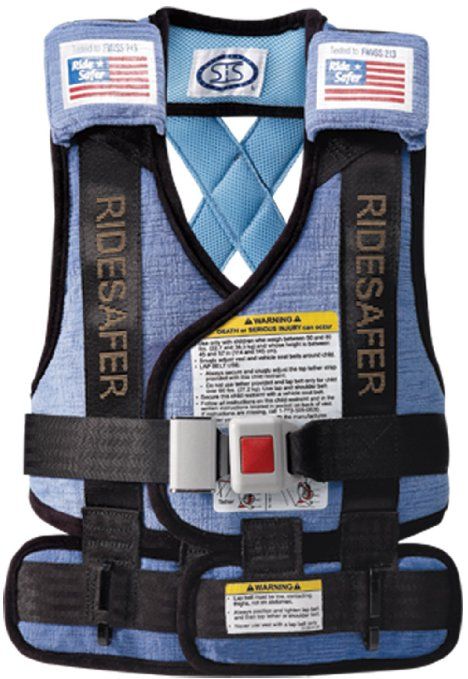
RideSafer Travel Vest Review: Portable Car Seat Alternative
In-depth RideSafer travel vest review. We analyze this FMVSS 213-certified portable restraint for travel, taxis, and carpooling with safety ratings and comparison.
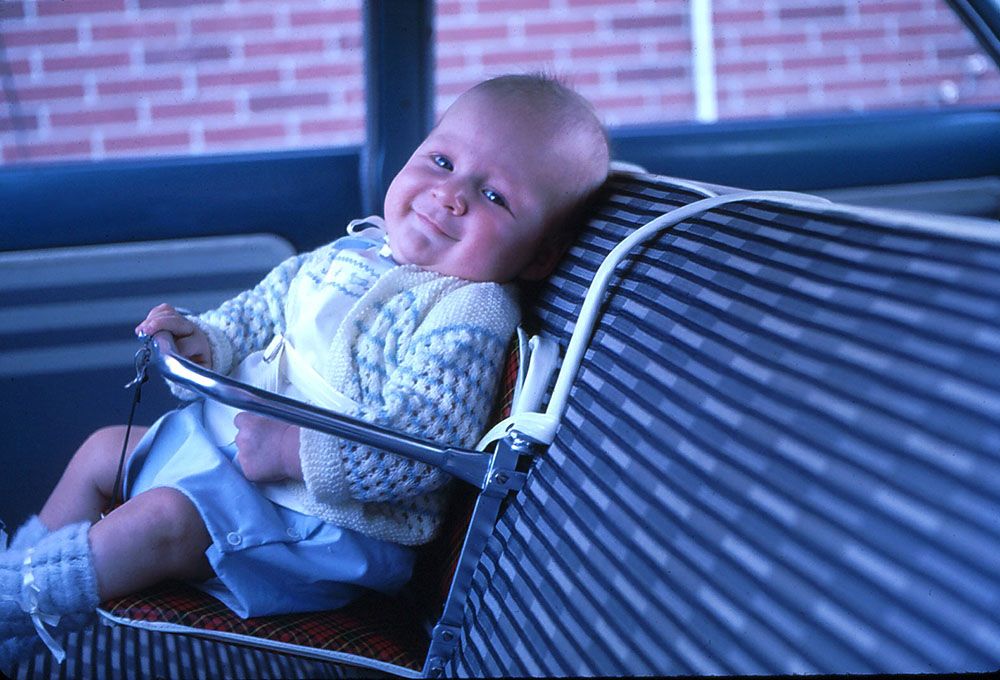
Car Seat Expiration: Why It Matters & How to Check Dates
Learn why car seats expire and how to check expiration dates. Understand material degradation, safety standard updates, and when to replace your child's car seat.
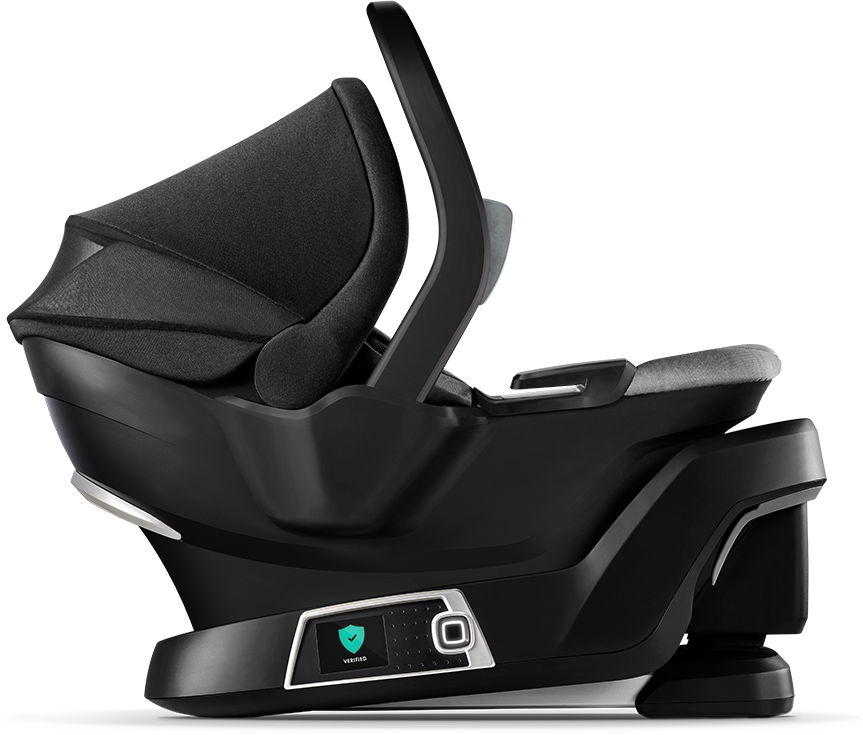
Car Seat Technology Innovations 2024-2026: Smart Safety Features
Explore the latest car seat technology innovations from 2024-2026. Smart sensors, app connectivity, advanced materials, and AI-powered safety features transforming child passenger safety.