Affiliate Disclosure:Kid Sitting Safe is reader-supported. When you buy through links on our site, we may earn an affiliate commission at no additional cost to you. This does not influence our reviews or recommendations — we only recommend products we genuinely believe in.
Car seats have expiration dates, a fact that surprises many parents. Understanding why seats expire and how to check dates ensures your child’s riding in a seat that provides maximum protection. It’s one of many car seat safety essentials every parent should know.
Why Car Seats Expire
According to NHTSA, car seats have expiration dates typically between 6-10 years from manufacture. This timeframe reflects the period during which manufacturers can guarantee the seat’s materials will perform as designed in a crash.
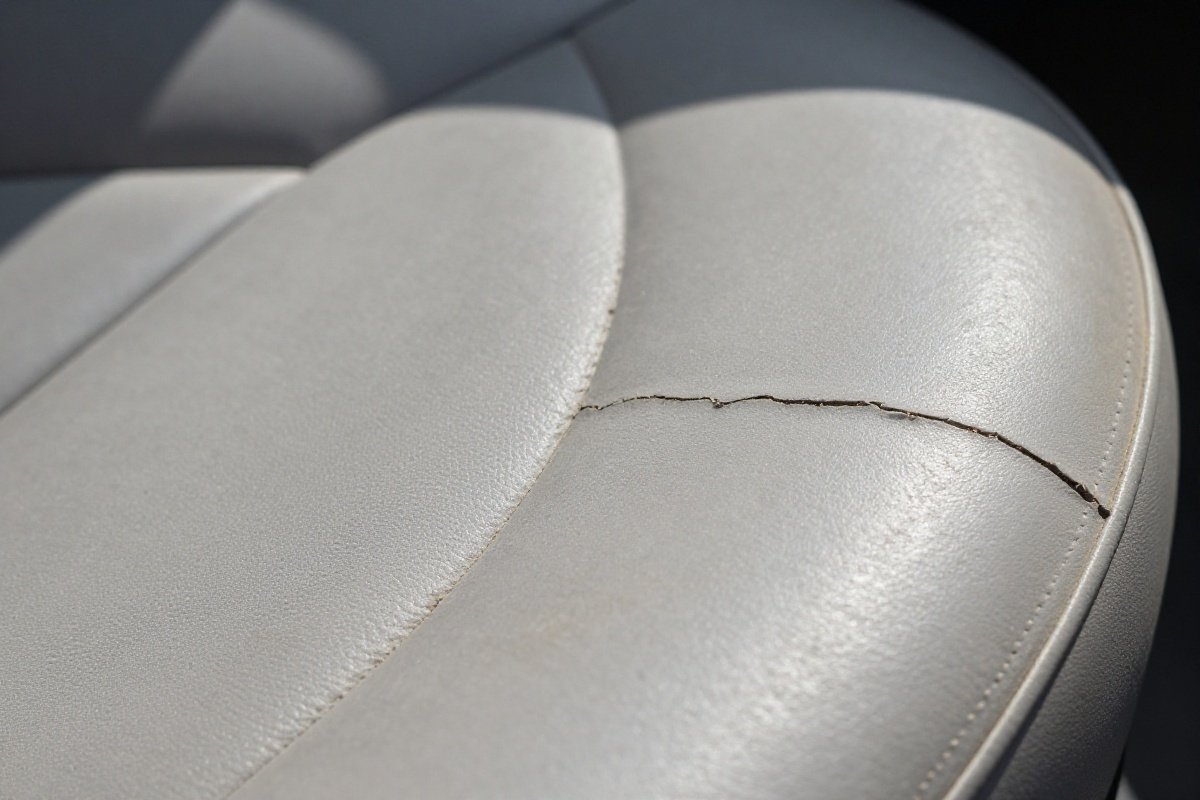
Material Degradation
Plastic Shells:
- Become brittle over time due to polymer breakdown
- Weaken with temperature extremes
- UV exposure causes molecular degradation
- Micro-cracks develop invisible to casual inspection
Foam Padding:
- Compresses with use
- Loses energy-absorbing ability
- Breaks down over years
- Becomes permanently compressed in high-use areas
Fabric and Straps:
- Weaken with use and washing
- UV damage affects strength
- Elastic components lose stretch
- Threadbare areas develop at stress points
Evolving Standards
Safety standards continuously improve. Older seats may lack features now considered essential:
- Enhanced side impact protection
- Lower anchor weight limits
- Improved labeling
The AAP recommends checking the seat’s label for the expiration date to ensure compliance with current safety expectations.
Why Car Seats Expire: The Science of Material Degradation
Car seat expiration dates exist because of fundamental changes in the materials used to build these safety devices. Understanding the science helps you appreciate why these dates aren’t just arbitrary.
Plastic Polymer Breakdown
According to NHTSA data, expired car seats may not provide adequate protection in crashes due to polymer degradation at the molecular level. The primary shell consists of engineered polymers designed to flex and absorb energy. You can’t see the deterioration, but it’s devastating during impact.
Thermal Cycling: Cars experience temperature swings from below freezing to over 150°F. These cycles cause plastic molecules to expand and contract, creating micro-stresses that accumulate over time. Each heating and cooling cycle creates microscopic cracks that grow with repeated exposure.
UV Radiation Damage: Sunlight penetrating vehicle windows exposes plastics to ultraviolet radiation. UV rays break chemical bonds within polymer chains, causing brittleness. Brittle plastics crack rather than flex during impact, failing to absorb collision forces properly.
Oxidation: Over years of air exposure, plastics undergo oxidation that alters their mechanical properties, making the material more rigid but less resilient. An oxidised shell might look perfectly fine while having lost the ability to deform properly.
Harness Webbing Deterioration
Harness straps consist of woven synthetic fibers that experience unique degradation patterns. FMVSS 213 requires seats to meet standards throughout their usable life, including maintaining harness strength.
Cyclic Loading: Each harness tightening causes microscopic fiber stretching. Over years of daily use, this cyclic loading causes cumulative fatigue that reduces the webbing’s ability to restrain a child in a crash.
Abrasion: Friction points where harnesses contact hardware gradually wear fibers at the microscopic level, thinning individual threads until overall strength drops below specifications.
Manufacturers set expiry dates because plastics and energy-absorbing foam degrade with heat cycling, UV exposure and use, and because older seats predate current standards. There’s no published figure for how much protection an expired seat actually loses, which is part of why the advice is replacement rather than inspection.
Typical Expiration Timeframes
| Seat Type | Typical Lifespan | Examples |
|---|---|---|
| Infant seats | 6 years | Chicco KeyFit, Graco SnugRide |
| Convertible seats | 8-10 years | Britax Boulevard, Graco Extend2Fit |
| Booster seats | 6-10 years | Graco Turbobooster, Britax Grow With You |
| All-in-one seats | 10 years | Graco 4Ever, Britax One4Life |
Finding the Expiration Date
Common Locations
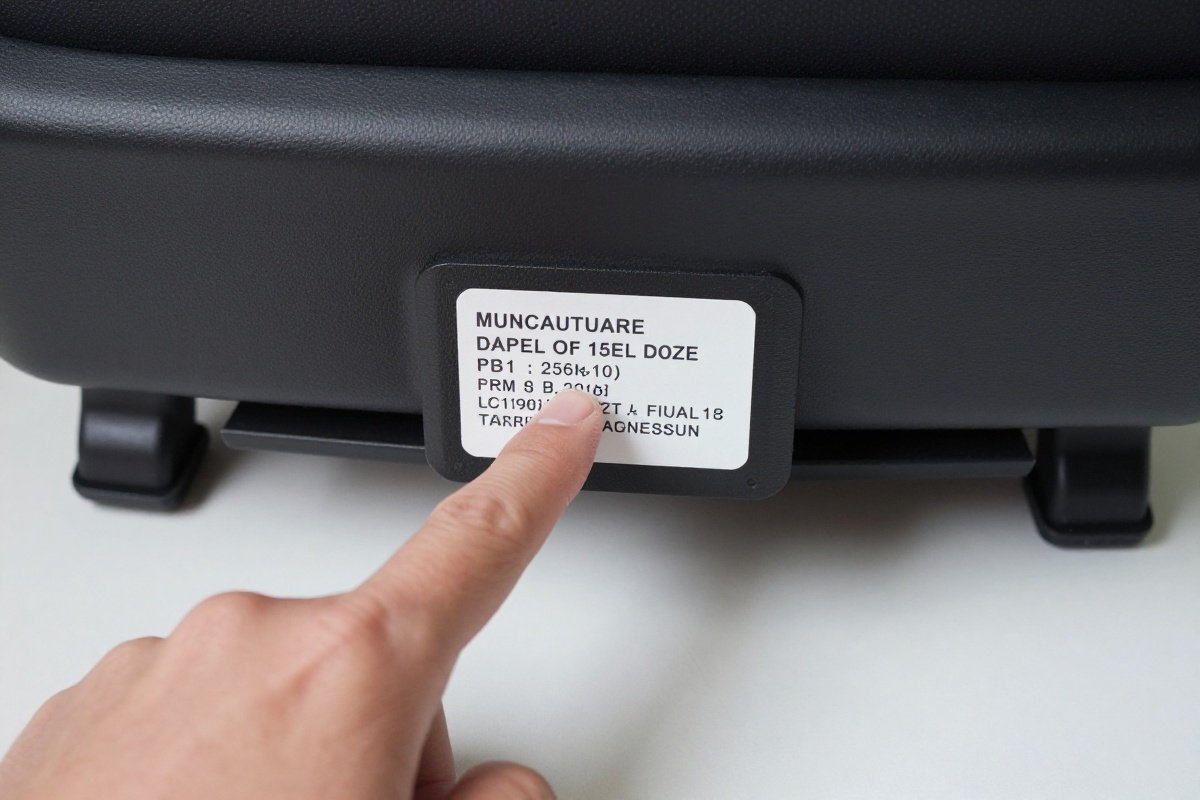
Sticker Labels:
- Back of seat
- Bottom of base
- Side of shell
Molded Dates:
- Stamped into plastic
- Often on underside
Owner’s Manual:
- Expiration information section
- Registration card included
Reading the Date
Manufacture dates indicate production, not purchase. Expiration is typically:
- 6 years from manufacture for infant seats
- 8-10 years for convertibles and boosters
How to Find and Read the Expiration Date
Locating expiration dates requires systematic examination, as manufacturers place this information in various locations.
Infant Seat Locations
Base Attachment Points: Many manufacturers stamp expiration dates on the underside of the detachable base.
Shell Exterior: Turn the carrier upside down to examine the exterior shell for raised or recessed date stamps.
Canopy Mount Area: Some brands place expiration information near canopy attachment points.
Convertible Seat Variations
Rear-Facing Mode: Check the back panel where the seat contacts the vehicle seat back.
Forward-Facing Mode: Examine the base area and underside where the seat rests on the vehicle cushion.
Side Panels: Some manufacturers mold dates into side impact protection wings.
Decoding Manufacturer Date Formats
Graco: Shows “Do Not Use After” followed by month and year. Britax: Uses DOM; expiration calculated 6-10 years from this date. Chicco: Displays both manufacture date and explicit expiration date. Evenflo: Molded dates appear on shell bottom. Diono: Includes expiration on registration card and molded into steel frame. If you can’t find the date, contact the manufacturer with your seat’s model number and manufacture date.
The Dangers of Using Expired Seats
Real-world data and controlled testing show measurable safety degradation in expired seats. It’s not theoretical.
Crash Performance Data
Structural Integrity: Expired seats show increased rates of shell cracking, base separation, and component failure at collision forces that new seats withstand. The polymer degradation that occurs over time directly impacts the seat’s ability to maintain structural integrity during impact.
Chest Acceleration: Dummy sensors in expired seats record higher chest acceleration forces during simulated crashes, indicating less effective energy absorption and greater force transmission to the child’s body.
Head Excursion: Expired seats allow greater head displacement, increasing the risk of contact with vehicle interior surfaces and potential traumatic brain injury.
Insurance and Liability Implications
Insurance Claims: Auto insurers may deny injury claims when expired equipment was in use, arguing the policyholder knowingly used equipment beyond manufacturer specifications.
Product Liability: Legal recourse may be limited, as expiration dates define warranty periods. Manufacturers explicitly state that performance beyond expiration cannot be guaranteed.
Legal Compliance: Many jurisdictions require seats to be used “in accordance with manufacturer instructions.” Using expired seats violates this requirement. Review your state’s car seat laws for specific regulations.
When to Replace
Expiration Criteria
Replace immediately if:
- Past expiration date
- Missing expiration label
- Over 10 years old
- Unknown manufacture date
Crash Replacement
Replace after moderate/severe crashes. Our car seat accident guide covers what steps to take after a collision:
- Airbag deployment
- Vehicle damage near seat
- Any injuries to occupants
- Unable to drive away
Visible Damage
Replace if you see cracks in shell, frayed harness straps, bent or broken parts, or stress marks on plastic.
Secondhand Seat Safety Assessment
According to the AAP, secondhand seats may have invisible damage that compromises safety. Purchasing or receiving used car seats requires careful evaluation.
Critical Verification Steps
Expiration Status: Confirm the seat is not expired and has at least 2-3 years of usable life remaining. Calculate from manufacture date, not original purchase date.
Recall History: Check the NHTSA recall database using the seat’s model name and manufacture date.
Crash History: Obtain written confirmation that the seat was never involved in any collision. Even minor crashes can cause invisible structural damage that testing cannot detect.
Complete Components: Verify all original parts are present - harness straps, buckle tongues, chest clip, base, and manuals.
Red Flags to Reject
Do not use a secondhand seat if missing manufacture date, showing chemical damage, displaying faded webbing, or having unknown ownership history.
Proper Disposal and Recycling Options
Retailer Trade-In Programs
Target Trade-In Events: Target holds annual trade-in events, accepting expired seats in any condition. Participants receive coupons for baby gear.
Walmart Events: Walmart partners with recycling organizations for similar programs.
Manufacturer Programs: Some manufacturers offer mail-back recycling for expired products.
Community Recycling Options
Local Recycling Centers: Contact your municipal waste authority for facilities accepting car seat plastics.
Specialized Recyclers: Organizations like Terracycle partner with communities to recycle car seat components.
Safe Disposal Protocol
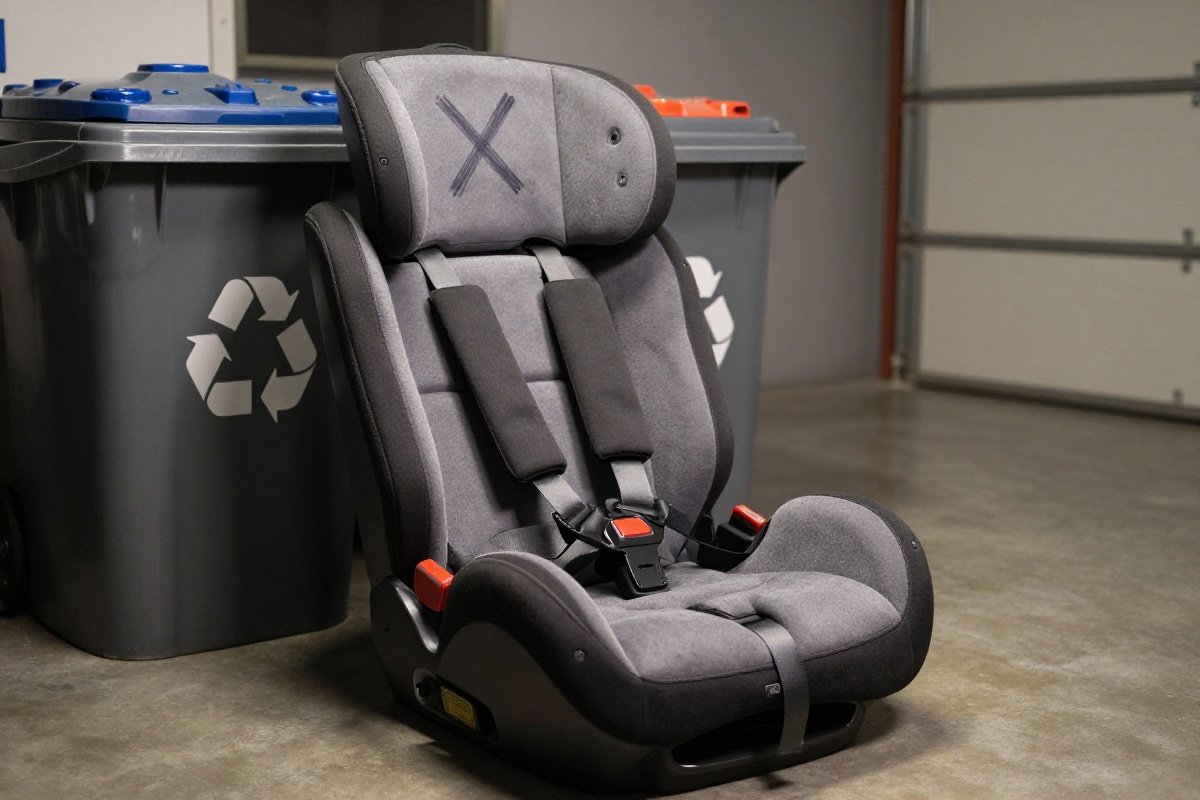
If recycling is unavailable, cut all harness straps, remove covers, and mark clearly with “EXPIRED - DO NOT USE.”
Registering Your Seat for Recall Notifications
It takes two minutes and ensures you’ll receive critical safety information throughout your seat’s lifespan.
Registration Methods
Mail-In Cards: Most seats include postage-paid registration cards. Complete and mail immediately.
Online Registration: Manufacturer websites require model number, manufacture date, and contact information.
NHTSA Registration: Visit nhtsa.gov to register directly.
Monitoring for Recalls
Periodically check nhtsa.gov/recalls and manufacturer websites for recall status.
FMVSS 213 requires seats to meet standards throughout their usable life, including modifications made through recall campaigns.
Storage Conditions That Accelerate Aging
Temperature Extremes
Heat Exposure: Vehicles in direct sunlight can exceed 150°F, accelerating plastic degradation. Heat causes polymers to soften and warp, then harden in new shapes when cooled.
Freezing Temperatures: Repeated freezing and thawing cycles stress materials as water molecules expand and contract within micro-pores.
UV and Light Exposure
UV radiation degrades plastics and fabrics. Store seats away from windows and direct sunlight.
Humidity and Moisture
High humidity promotes mold growth and can affect metal components. Ensure seats are completely dry before storage and avoid damp basements.
Proper Storage Practices
Storing between children? Clean thoroughly, make sure it’s completely dry, keep it in a climate-controlled spot, and always check the expiration status before reinstalling.
Disposing of Expired Seats
Don’t
- Donate to charity
- Sell online
- Give to friends
Do
- Trade-in programs: Target and Walmart periodic events
- Recycling: Disassemble and recycle components
- Destroy: Cut straps, then trash
Further Reading
- Car Seat Types & Ratings Explained: Complete Parent”s Guide
- Car Seat Technology Innovations 2024-2026: Smart Safety Features
- European vs American Car Seat Belt Paths: Which Is Safer?
Replacement Planning
Timing Your Purchase
6 Months Before: Research replacement options and watch for sales. Our best convertible car seat roundup and best infant car seat guide can help you choose.
3 Months Before: Purchase new seat and practice installation.
Transition Tips: Install new seat while old one still valid; allow child to adjust gradually.
Insurance and Warranty Considerations
Most seats come with 1-year warranties covering defects. Some auto insurance policies cover car seat replacement after accidents.
Environmental Considerations
Separate metal, plastic, and fabric components for recycling. Cut harness straps and label “DO NOT USE - EXPIRED” before disposal.
Staying Current with Safety Standards
Registration: Register your car seat to receive recall notifications, safety updates, and expiration reminders.
Regular Safety Checks: Inspect your seat for wear, recalls, proper installation, and harness fit.
NHTSA data shows that expired car seats may not provide adequate protection in crashes, making proactive replacement essential for child safety.
Recommended Products
Graco Extend2Fit Convertible Car Seat
Long lifespanExcellent value with 10-year lifespan for long-term use.
What We Like
- 50-pound rear-facing limit per AAP guidelines
- 10-year lifespan
- Excellent value for features offered
- Extension panel provides extra legroom for taller babies
What We Don't
- Basic installation without InRight LATCH system
- Bulky design takes up significant vehicle space
Chicco KeyFit Max ClearTex Infant Car Seat
Infant seat lifespanStandard 6-year infant seat lifespan with excellent quality (current Chicco flagship).
What We Like
- Integrated anti-rebound bar (the upgrade over the KeyFit 35 line) adds ~1.5 inches of legroom and reduces forward rotation in a frontal crash
- SuperCinch push-on lower LATCH connectors make a tight installation achievable with minimal force
- Integrated European belt routing for secure baseless installation in taxis, rideshares, or grandparent cars
- 5-position no-rethread harness with an extra inch of headroom vs the KeyFit 30
- Meets FMVSS 213b frontal impact standard and FMVSS 213a side impact standard; GREENGUARD Gold and Baby Safety Alliance verified; FAA approved
What We Don't
- Heavy carrier at 10 lbs, tiring for parents carrying it daily
- Canopy needs two hands to extend fully
- Belt threading under the guides is tedious for baseless installation
- No load leg (a feature Cybex, Nuna, and UPPAbaby offer at higher price points)
Sources & Research
Continue Reading
Explore more car seat education content or browse our other categories.
Frequently Asked Questions
- Why do car seats expire?
- Car seats expire due to material degradation and evolving safety standards. Plastic shells become brittle over time, especially with exposure to temperature extremes (hot cars in summer, cold in winter). Foam padding compresses and loses energy-absorbing ability. Fabric and harness straps weaken with use and UV exposure. Safety standards and testing protocols also evolve - older seats may not meet current best practices. Manufacturers test seats for a specific lifespan (typically 6-10 years) and cannot guarantee performance beyond that period. The expiration date represents the manufacturer's confidence in the seat's materials and design for that timeframe. Using an expired seat is not only potentially unsafe but may void insurance coverage in an accident.
- How do I find my car seat's expiration date?
- Car seat expiration dates are located in one of these places: 1) A sticker on the seat back or bottom showing manufacture date and "Do not use after" date; 2) Stamped or molded into the plastic shell (often on the back or underside); 3) In the owner's manual with the registration card. Most seats expire 6-10 years from manufacture date (not purchase date). Infant seats typically expire 6 years after manufacture. Convertible seats usually expire 8-10 years. Booster seats range 6-10 years depending on type. If you cannot find the expiration date and the seat is over 6 years old, assume it's expired. When in doubt, contact the manufacturer with your seat's model number and manufacture date for clarification.
- Is it illegal to use an expired car seat?
- While not explicitly illegal in most jurisdictions, using an expired car seat is strongly discouraged and may have legal implications. Most states' child passenger safety laws require using a seat "in accordance with manufacturer instructions." Since manufacturers explicitly prohibit using expired seats, you would technically be violating this requirement. More significantly, if you're in an accident with an expired seat, insurance companies may deny claims or reduce payouts, arguing you used defective equipment. Law enforcement at accident scenes may note expired equipment, potentially affecting liability determinations. Finally, expired seats may fail to protect your child adequately in a crash. The legal and safety risks far outweigh any cost savings from using an expired seat. If your seat has expired, replace it immediately.
- Can I use a car seat that has been in a crash?
- Generally, no. NHTSA recommends replacing car seats after moderate or severe crashes. A crash is considered minor only if ALL of these apply: 1) Vehicle could be driven away from crash site; 2) Vehicle door nearest the car seat was undamaged; 3) No occupants were injured; 4) Airbags did not deploy; 5) No visible damage to car seat. If any of these conditions aren't met, replace the seat. Even in minor crashes, inspect the seat carefully for cracks, stress marks, or webbing damage. Some manufacturers require replacement after ANY crash - check your manual. Many insurance companies cover car seat replacement after accidents, so file a claim. When in doubt, replace. The cost of a new seat is minimal compared to your child's safety and potential liability issues.
- What should I do with an expired car seat?
- Do not donate, sell, or give away expired car seats - they could endanger another child. Proper disposal options include: 1) Recycling programs - some retailers (Target, Walmart) hold periodic car seat trade-in events; 2) Local recycling centers that accept plastics - call to confirm; 3) Disassembly and recycling - remove fabric and foam, recycle plastic shell and metal parts separately; 4) Trash disposal - cut the harness straps so it cannot be reused, then dispose with regular trash. Some communities have specific hazardous waste programs for car seats. Check with your local waste management authority. Before disposing, consider keeping the seat for a few days to practice installation techniques on - a great way to gain confidence without risking a real installation error.
Written By
Kid Sitting Safe
Our team researches car seat safety standards, crash test data, and real-world usability to help parents make the safest choice.
Related Articles
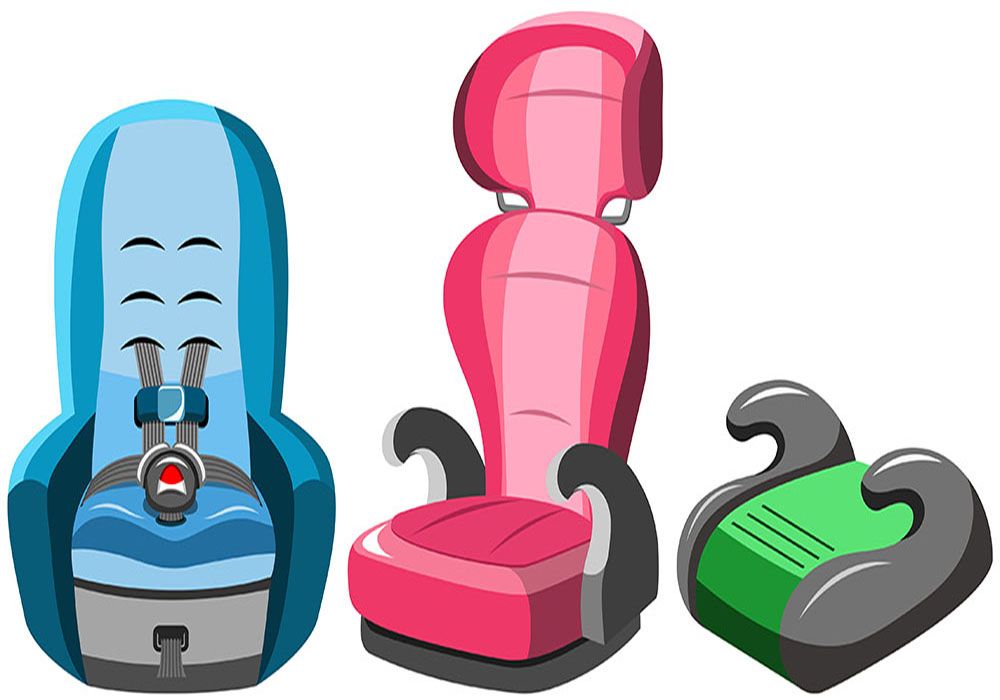
Car Seat Types & Ratings Explained: Complete Parent's Guide
Understand all car seat types from infant to booster. Learn about NHTSA ratings, FMVSS 213 standards, and how to choose between infant, convertible, all-in-one, and booster seats.
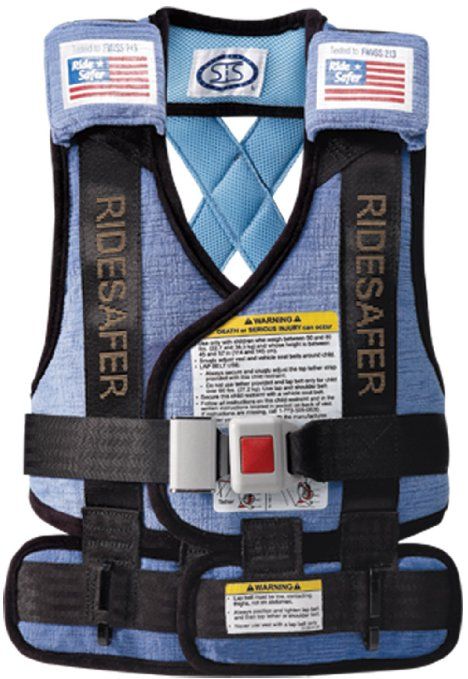
RideSafer Travel Vest Review: Portable Car Seat Alternative
In-depth RideSafer travel vest review. We analyze this FMVSS 213-certified portable restraint for travel, taxis, and carpooling with safety ratings and comparison.
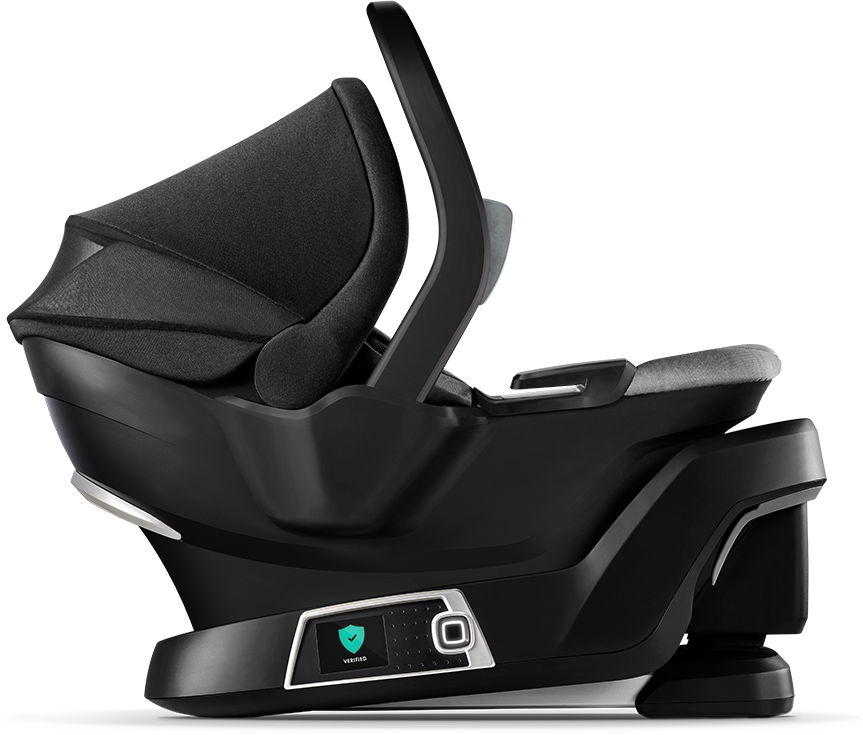
Car Seat Technology Innovations 2024-2026: Smart Safety Features
Explore the latest car seat technology innovations from 2024-2026. Smart sensors, app connectivity, advanced materials, and AI-powered safety features transforming child passenger safety.