
Affiliate Disclosure:Kid Sitting Safe is reader-supported. When you buy through links on our site, we may earn an affiliate commission at no additional cost to you. This does not influence our reviews or recommendations — we only recommend products we genuinely believe in.
Car seat safety can feel overwhelming, but understanding a few essential principles makes a significant difference in your child’s protection. This guide covers the most critical safety tips every parent should know, based on American Academy of Pediatrics (AAP) guidelines and National Highway Traffic Safety Administration (NHTSA) recommendations.
Understanding Crash Dynamics: Forces at Work
Motor vehicle crashes involve complex physics that directly affect child safety. According to NHTSA, car seats reduce fatal injury by 71% for infants under 1, and 54% for toddlers aged 1 to 4, in passenger cars. During a frontal collision at just 30 mph, a child restrained only by adult seat belts can experience forces equivalent to 1,200 pounds of pressure against their body. This immense force concentrates on small surface areas, creating dangerous injury risks that proper child restraints are engineered to prevent.
Rear-facing car seats excel at managing crash forces because they cradle the entire head, neck, and spine as a single unit. For a deeper look at crash outcomes, see our car seat accident data and guidance. The seat shell absorbs and distributes crash energy across the broad surface of the child’s back, dramatically reducing force concentration on any single body part. Safety experts widely recommend that children should remain in each stage of restraint as long as possible before moving to the next, because premature transitions expose vulnerable body regions to uncontrolled crash forces. Understanding these dynamics helps parents appreciate why each safety rule exists - not as arbitrary guidance, but as scientifically validated protection against documented injury patterns.
1. Rear-Face as Long as Possible
The AAP Recommendation
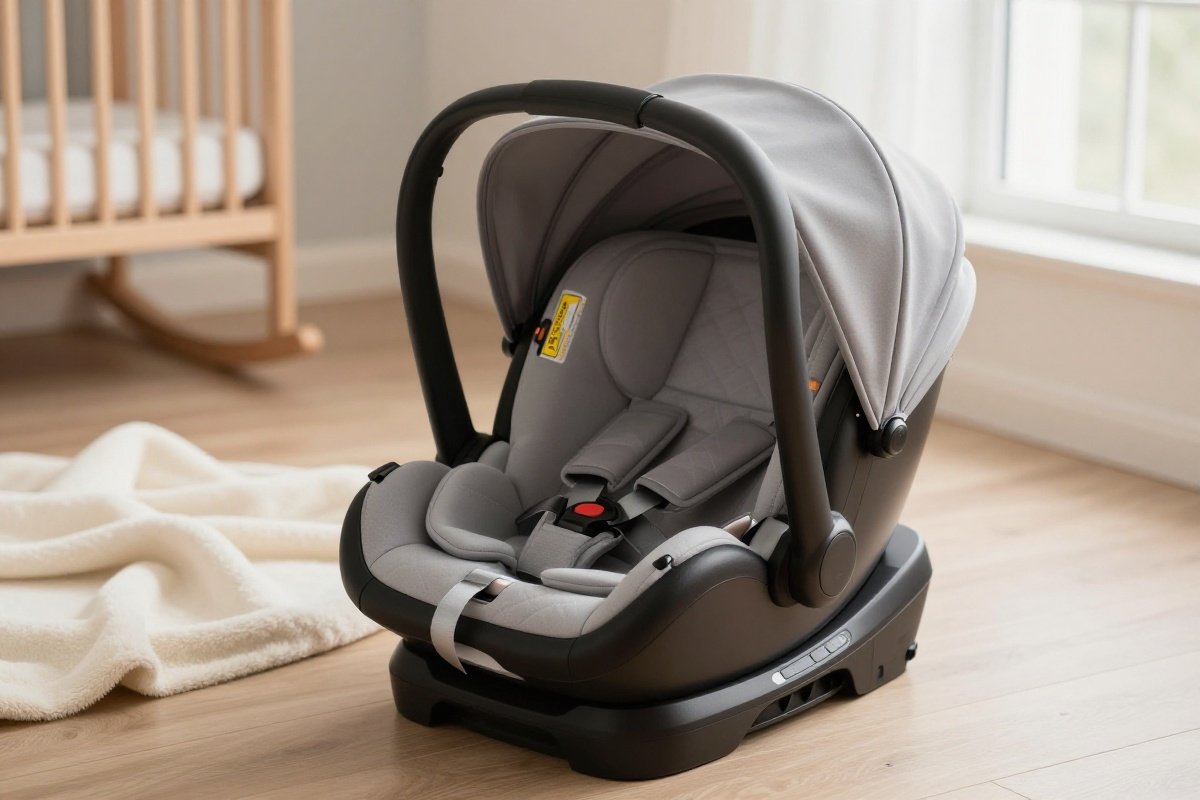
The AAP recommends keeping children rear-facing until at least age 2 or until they outgrow the seat limits. Children should ride rear-facing until they reach the maximum height or weight limit of their rear-facing car seat - not until a specific age.
What This Means
- Most children can rear-face past age 2
- Many can rear-face until age 3 or 4
- Modern seats accommodate rear-facing to 50 pounds
Why It Matters
Rear-facing protects the head, neck, and spine by distributing crash forces across the entire back of the seat rather than concentrating them on harness straps. Young children have proportionally larger heads and weaker neck muscles, making rear-facing critical for preventing serious injuries.
Signs It’s Time to Turn Forward-Facing
- Child exceeds rear-facing weight limit (typically 40-50 lbs)
- Child’s head is within 1 inch of the top of the seat
- Child exceeds rear-facing height limit (check manual)
2. Achieve the 1-Inch Installation
The Golden Rule
After installation, grasp the car seat at the belt path (where the LATCH strap or seat belt goes through). The seat should not move more than 1 inch in any direction.
Installation Tips
- Put your weight into it: Press down on the seat while tightening
- Use your body weight: Kneel in the seat if possible
- Check both directions: Test side-to-side AND front-to-back
- Verify at the belt path: Not at the top of the seat
When to Try a Different Position
If you cannot achieve a tight installation in one seating position, try another. Sometimes the center works better than outboard positions, or vice versa, depending on your vehicle’s seat contours and LATCH anchor locations.
3. Master the Pinch Test
Proper Harness Tightness
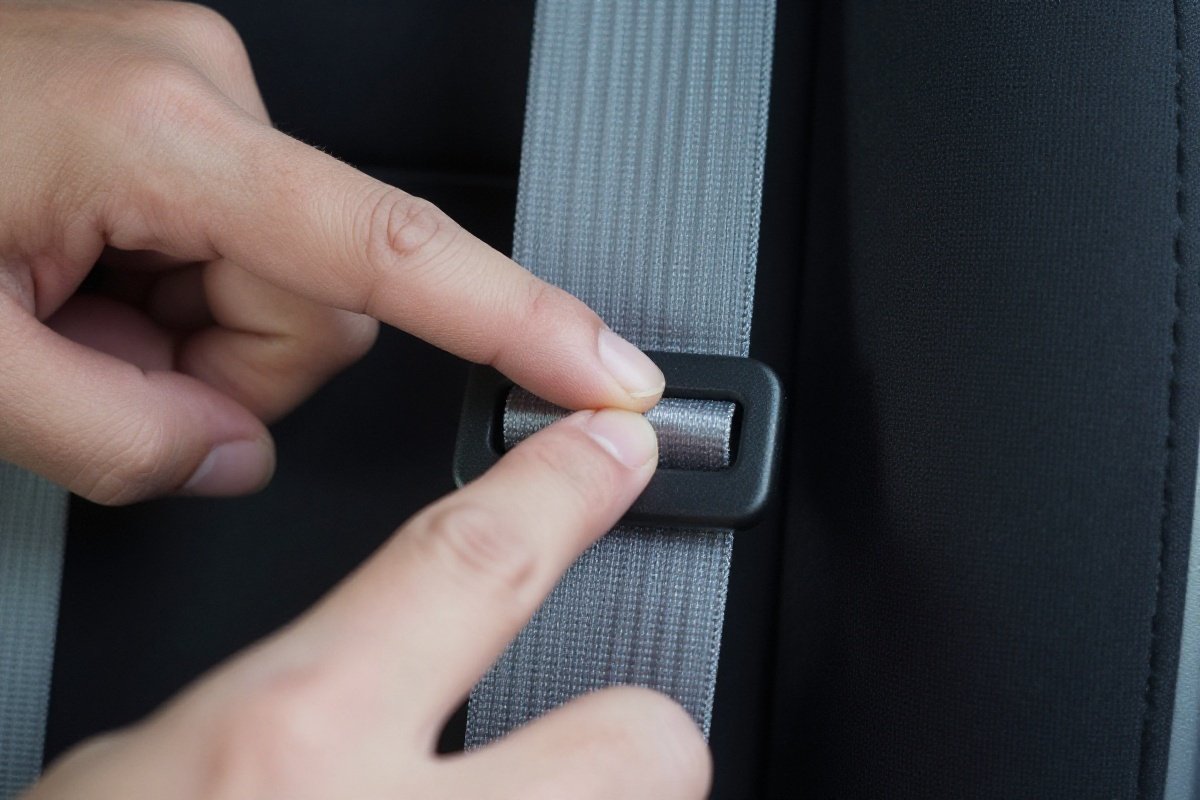
After buckling your child:
- Tighten the harness using the adjuster strap
- Try to pinch the webbing vertically at the shoulder
- If you can pinch any material, tighten more
- If you cannot pinch excess, the fit is correct
Common Harness Mistakes
- Twisted straps: Must lie completely flat - see our full guide on how tight car seat straps should be
- Chest clip too low: Should be at armpit level, not belly
- Bulky clothing: Creates dangerous slack under harness
- Shoulder position: Below shoulders for rear-facing, above for forward-facing
Harness Fit and Adjustment Science
NHTSA’s National Child Restraint Use Special Study found 46% of car seats and boosters had at least one defined misuse, in installation or in how the child was restrained, with harness fit being a primary contributor to these errors. The science behind proper harness positioning centers on biomechanical distribution of crash forces across the strongest parts of a child’s body. When harness straps sit at the correct height - at or below shoulder level for rear-facing, at or above for forward-facing - they channel collision energy through the shoulders and chest rather than concentrating it on soft tissue or the neck.
The chest clip serves a critical positioning function that many parents misunderstand. According to FMVSS 213, all child restraint systems must meet minimum safety standards for structural integrity, including proper placement of chest clips at armpit level. When positioned correctly, the chest clip keeps harness straps aligned over the shoulder bones and prevents lateral separation during side-impact collisions. Straps positioned too low allow the child’s body to slide forward in a frontal crash, while straps positioned too high can cause the harness to slip off the shoulders entirely, compromising the entire restraint system when it matters most.
4. Choose the Safest Seating Position
The Center Rear Advantage
Statistically, the center rear seating position is safest because it’s farthest from any potential impact point.
When Center Isn’t Best
If you cannot achieve a tight installation in the center:
- An outboard position with a tight installation is safer than a loose center installation
- The “best” position is wherever you can install the seat most securely
Front Seat Rules
- Never install a rear-facing seat in front of an active airbag
- Children under 13 should ride in the back seat
- Side airbags don’t pose risks to properly installed car seats
5. Know When to Transition
Don’t Rush Stages
| Current Stage | Transition When |
|---|---|
| Rear-facing | Maximum weight/height limit reached (not age 2 specifically) |
| Forward-facing harness | 65 pounds typically, or harness slots below shoulders |
| Booster | Adult seat belt fits correctly at 4’9” typically |
| Seat belt only | Lap belt low on hips, shoulder belt on chest |
The Maturity Factor
Even if your child meets size requirements for the next stage, consider maturity. Our car seat types explained guide covers each stage in detail:
- Can they sit properly for the entire trip?
- Will they keep the seat belt positioned correctly?
- Can they resist unbuckling themselves?
6. Check for Recalls
Registration Is Essential
Register your car seat with the manufacturer to receive recall notifications. You can:
- Mail in the registration card
- Register online at manufacturer websites
- Check NHTSA’s recall database at nhtsa.gov
Used Seat Cautions
Avoid used car seats unless you know:
- Full history (no crashes, even minor)
- Not expired (check date on label) - see our car seat expiration guide for details
- All parts present and functional
- Not recalled
Winter Coat Safety Concerns
The winter coat safety issue represents one of the most misunderstood risks in child passenger safety. The AAP recommends keeping children rear-facing until at least age 2 or until they outgrow the seat limits, but that recommendation assumes proper harness contact with the child’s body - not over compressed insulation. Bulky winter coats create a dangerous gap between the harness and the child’s actual body, creating slack that can amount to several inches of extra space in a collision.
When crash forces compress the fluffy insulation of winter coats, the harness straps that appeared tight suddenly become dangerously loose. The AAP and NHTSA recommend children remain in each stage of restraint as long as possible before moving to the next, but this guidance assumes properly fitted restraints. A child wearing a puffy coat can experience harness slack equivalent to moving to the next restraint stage prematurely, exposing them to ejection risks and excessive movement during collision events. The safest approach involves buckling children in thin layers, tightening the harness properly, then placing coats or blankets over the secured harness - not under it - maintaining the protective benefits of both warmth and proper restraint fit.
7. Dress for Safety
The Bulky Clothing Problem
Puffy coats, snowsuits, and thick layers create slack in the harness that compresses in a crash, leaving straps too loose.
Safe Dressing Strategy
- Buckle in thin layers (long sleeves, pants)
- Tighten harness properly
- Place coat/blanket OVER the harness (not under)
- Use car seat covers (weather covers, not replacement covers) for warmth
8. Get Professional Help
Certified Child Passenger Safety Technicians
CPSTs provide free or low-cost installation checks. Learn more about what a CPST does and how to find one:
- Find technicians at cert.safekids.org
- Many fire/police departments have certified staff
- Hospitals sometimes offer post-birth checks
What They’ll Check
- Installation tightness (1-inch test)
- Harness fit and adjustment
- Recline angle correctness
- Appropriate seat for child’s size
- Vehicle compatibility
When to Seek Professional Help
NHTSA’s National Child Restraint Use Special Study found 46% of car seats and boosters had at least one defined misuse, in installation or in how the child was restrained, making professional assessment a valuable resource for many families. While parents can and should master basic installation techniques, certain situations warrant consultation with a Certified Child Passenger Safety Technician (CPST). Premature infants, children with special healthcare needs, and families with unusual vehicle configurations all benefit from expert evaluation of their specific circumstances.
FMVSS 213 requires all child restraint systems to meet minimum safety standards for structural integrity, but achieving those standards in real-world installations requires proper execution. CPSTs undergo extensive training to identify subtle installation errors that untrained eyes might miss, including twisted straps, improper belt path routing, and vehicle compatibility issues. The AAP recommends children remain in each stage of restraint as long as possible before moving to the next, and CPSTs can assess whether your current installation truly maximizes your child’s time in the safest available configuration. These consultations, typically free or low-cost through Safe Kids Worldwide, provide personalized guidance that addresses your specific vehicle and seat combination.
Further Reading
- Car Seat Laws by State: Complete Guide for Parents 2026
- Car Seat Statistics 2024: Usage, Safety & Misuse Data
- Car Seat Installation: A Complete Guide for Parents
Building a Safety-First Mindset
Car seat safety extends beyond individual installation techniques to encompass a comprehensive approach to child transportation. According to NHTSA, car seats reduce fatal injury by 71% for infants under 1 in passenger cars, but that protection only materialises when safety becomes a non-negotiable family priority. Building a safety-first mindset means establishing consistent routines that prioritize proper restraint every single ride, regardless of trip length or convenience factors.
The AAP recommends keeping children rear-facing until at least age 2 or until they outgrow the seat limits, and families with safety-first cultures embrace this guidance without viewing it as inconvenient or unnecessary. The AAP and NHTSA recommend children remain in each stage of restraint as long as possible before moving to the next, reflecting a philosophy of maximizing protection rather than rushing milestones. FMVSS 213 requires all child restraint systems to meet minimum safety standards for structural integrity, but regulations represent minimums - safety-minded families aim for optimal protection rather than legal compliance. This mindset manifests in behaviors like registering seats for recall notifications, replacing seats after any collision, and regularly reassessing fit as children grow. When safety becomes habitual rather than optional, the statistically significant protection that proper car seat use provides becomes the consistent reality for your family.
Recommended Products
Safety 1st Grow and Go
Best budget safetyAffordable seat that follows all safety guidelines through all stages.
What We Like
- Budget-friendly price without sacrificing safety standards
- QuickFit harness for easy height adjustments without rethreading
- Machine washable and dryer safe seat pad
- 10-year usable life span
What We Don't
- Bulkier than premium models
- Lower weight limits in each mode compared to competitors
Chicco KeyFit Max ClearTex Infant Car Seat
Best installation safetyChicco's current infant flagship. Adds an integrated anti-rebound bar over the KeyFit 35 and meets FMVSS 213a (side impact) plus 213b (frontal impact); SuperCinch LATCH and ReclineSure still make it one of the easiest correct installs.
What We Like
- Integrated anti-rebound bar (the upgrade over the KeyFit 35 line) adds ~1.5 inches of legroom and reduces forward rotation in a frontal crash
- SuperCinch push-on lower LATCH connectors make a tight installation achievable with minimal force
- Integrated European belt routing for secure baseless installation in taxis, rideshares, or grandparent cars
- 5-position no-rethread harness with an extra inch of headroom vs the KeyFit 30
- Meets FMVSS 213b frontal impact standard and FMVSS 213a side impact standard; GREENGUARD Gold and Baby Safety Alliance verified; FAA approved
What We Don't
- Heavy carrier at 10 lbs, tiring for parents carrying it daily
- Canopy needs two hands to extend fully
- Belt threading under the guides is tedious for baseless installation
- No load leg (a feature Cybex, Nuna, and UPPAbaby offer at higher price points)
Sources & Research
Continue Reading
Explore more car seat safety content or browse our other categories.
Frequently Asked Questions
- How long should my child be rear-facing?
- Per the American Academy of Pediatrics (AAP), children should ride rear-facing as long as possible, until they reach the maximum height or weight limit of their rear-facing car seat. This means most children can remain rear-facing past age 2, and many can stay rear-facing until age 3 or 4 with modern car seats that accommodate up to 50 pounds rear-facing. Rear-facing is significantly safer for young children because it supports the head, neck, and spine in a crash. The force of a crash is distributed across the entire back of the car seat rather than concentrating on the harness straps. There is no specific age when children must turn forward-facing - it's based on when they outgrow the rear-facing limits of their specific seat.
- How tight should car seat straps be?
- Car seat harness straps should be tight enough that you cannot pinch any excess webbing at the child's shoulder. The "pinch test" is the standard: after buckling and tightening, try to pinch the strap material vertically at the shoulder. If you can pinch any material, tighten more. The straps should lie flat without twists and be at or below shoulder level for rear-facing, at or above for forward-facing. The chest clip should be at armpit level - not down at the belly or up at the neck. Tight straps are crucial because loose straps allow excessive movement in a crash, potentially leading to ejection or serious injury. Children should wear thin layers - bulky clothing can create dangerous slack under the harness.
- Where is the safest place to install a car seat?
- The center rear seating position is statistically the safest place to install a car seat because it's farthest from any potential point of impact. However, the safest position is wherever you can achieve the tightest, most secure installation. If you cannot get a tight installation in the center (less than 1 inch of movement at the belt path), an outboard position with a better installation is safer. Never install a rear-facing car seat in front of an active airbag. Side airbags do not pose a risk to properly installed car seats. If you have multiple children in car seats, place the youngest/most vulnerable in the center if possible. Always check your vehicle manual for specific guidance on car seat placement - some vehicles have restrictions on certain seating positions.
- When can my child switch to a booster seat?
- Children should remain in a 5-point harness as long as possible, until they reach the maximum weight or height limit of their forward-facing harness seat (typically 65 pounds or when harness slots are below the shoulders). Only then should you transition to a booster seat. Most children are ready for boosters between ages 5 and 7, but maturity matters as much as size. A child must be able to sit properly with the vehicle seat belt positioned correctly - lap belt low across the hips (not stomach) and shoulder belt across the chest (not neck) - for the entire ride without slouching, leaning, or unbuckling themselves. Premature transition to a booster increases injury risk because adult seat belts are designed for adult bodies, not children.
- How do I know if my car seat is installed correctly?
- A properly installed car seat passes the "1-inch test" - when grasped at the belt path (where the LATCH strap or seat belt passes through), the seat should not move more than 1 inch side-to-side or front-to-back. The recline angle should be correct for your child's age (more reclined for infants, more upright for older babies). The seat should sit flat against the vehicle seat without gaps. For rear-facing, the angle indicators (usually bubbles or lines) should be within the correct zone. If you're unsure, have your installation checked by a Certified Child Passenger Safety Technician (CPST). Find a technician at cert.safekids.org or contact your local fire or police department. Professional checks are usually free and provide peace of mind.
Written By
Kid Sitting Safe
Our team researches car seat safety standards, crash test data, and real-world usability to help parents make the safest choice.
Related Articles
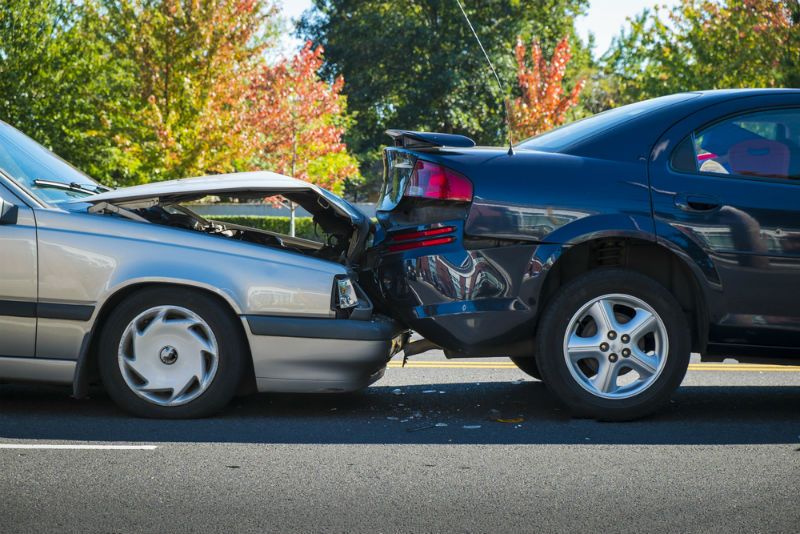
Car Seat After Accident: When to Replace & Insurance Coverage
Learn when car seats must be replaced after accidents. NHTSA guidelines, insurance coverage options, and how to assess if your seat is still safe to use.
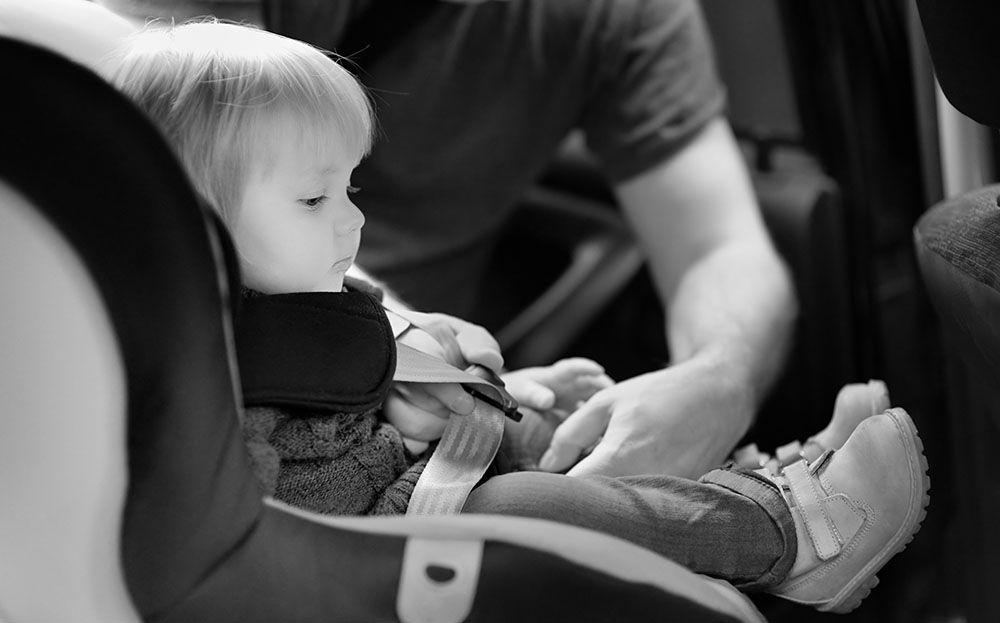
Car Seat Installation: A Complete Guide for Parents
Master car seat installation with our comprehensive guide. Learn LATCH vs. seat belt methods, common mistakes to avoid, and expert tips for secure installation every time.

Car Seat Laws by State: How to Find Yours, and Why the Lists Are Wrong
How to find your state's car seat law and read it properly, why the state-by-state lists in circulation are unreliable, and the three states wrongly listed as requiring rear-facing until age 2.