Affiliate Disclosure:Kid Sitting Safe is reader-supported. When you buy through links on our site, we may earn an affiliate commission at no additional cost to you. This does not influence our reviews or recommendations — we only recommend products we genuinely believe in.
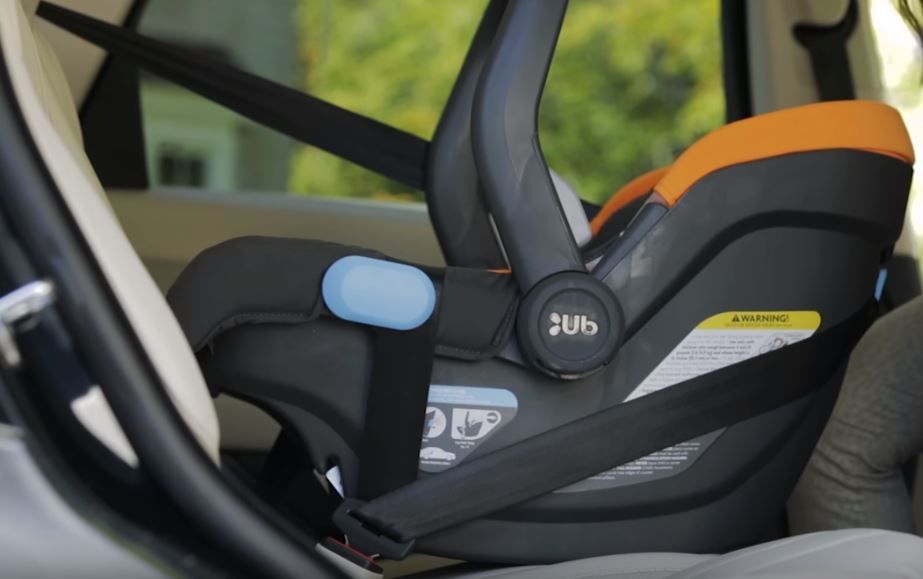
Car seat design varies significantly between Europe and the United States, with belt path routing representing one of the most visible differences. Understanding these distinctions helps parents make informed decisions about which type of car seat to choose and clarifies why cross-border seat usage isn’t permitted.
The Fundamental Differences
Belt Routing Philosophy
European Approach:
- Lap belt routes low, close to child’s hips
- Shoulder belt guides often integrated into head support
- Rigid LATCH connectors more common
- Load legs standard on many infant seats American Approach:
- Lap belt routes higher across seat shell
- Shoulder belt paths vary by design
- Flexible LATCH straps traditional (changing)
- Load legs rare (emerging trend)
Regulatory Standards
| Standard | Region | Key Requirements |
|---|---|---|
| FMVSS 213 | United States | Federal Motor Vehicle Safety Standard |
| ECE R44/04 | Europe | United Nations regulation |
| R129 (i-Size) | Europe | Enhanced European standard |
FMVSS 213 requires child restraint systems to pass a 30-mph frontal sled test according to NHTSA regulations, ensuring seats can withstand crash forces at this velocity. This standard has been in effect since 1971 and has undergone several revisions to improve child safety outcomes.
Belt Path Mechanics: How Forces Are Distributed
Understanding how crash forces travel through a car seat reveals why belt path design matters. During a collision, the vehicle’s sudden deceleration creates massive inertial forces that must be transferred through the restraint system to protect the occupant.
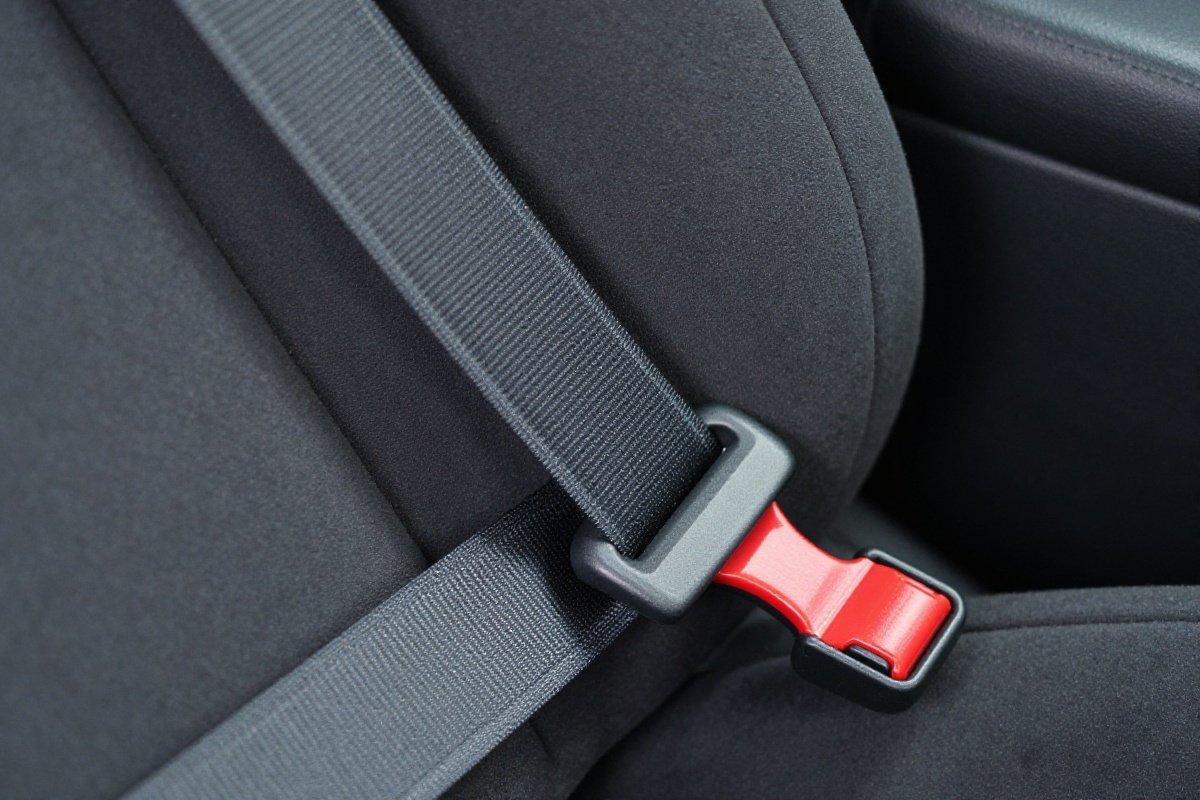
Force Distribution Physics:
The European belt path’s lower lap belt positioning creates a direct force path through the strongest parts of the seat shell. When the lap belt sits closer to the child’s thighs - rather than across the abdomen - it reduces the lever arm that can cause the seat to rotate forward. That lower routing reduces the leverage available to rotate the seat forward, which is the mechanical argument for the European path. We haven’t found published testing that puts a reliable number on the difference.
Load Path Analysis:
| Component | European Path Force Distribution | American Path Force Distribution |
|---|---|---|
| Lap Belt | Lower on seat shell, near hips | Mid to upper seat shell |
| Shoulder Belt | Integrated head support guide | Variable routing |
| Rotation Control | Load legs standard | Traditional tether-based |
| Energy Absorption | Shell deformation + belt stretch | Belt stretch primary |
The AAP recommends children remain rear-facing until they outgrow the seat’s height or weight limits, and belt path mechanics play a critical role in rear-facing performance. In rear-facing mode, the entire seat shell absorbs impact energy, with the belt path determining how forces transfer to the vehicle structure.
The shoulder belt portion serves a critical stabilization function. European designs typically route the shoulder belt through guides positioned to maintain optimal seat angle, while American designs may allow more variability in belt positioning. According to NHTSA technical documentation, proper shoulder belt routing prevents excessive seat rotation during crash events.
Side Impact Considerations:
Force distribution changes dramatically in side-impact collisions. European i-Size regulations mandate side-impact testing, which has driven innovations in belt path design that contain the child within the seat’s protective shell. The rigid LATCH connectors common in European seats create a more stable attachment that resists lateral movement better than flexible strap systems. For more on how the LATCH system works and its limitations, see our dedicated guide.
European Belt Path Characteristics
Lower Lap Belt Position
European routing positions the lap belt closer to the child’s thighs than American routing, potentially reducing abdominal forces in crashes. This positioning aligns with the ECE R129 (i-Size) requirement for mandatory rear-facing to at least 15 months, ensuring younger children receive optimal protection during the most vulnerable developmental period.
Integration with Load Legs
The belt path often works in conjunction with load legs that prevent rotation - a combination less common in US seats. Load legs extend from the car seat base to the vehicle floor, creating a rigid triangular structure that significantly reduces forward rotation during frontal impacts.
Rigid LATCH Preference
European seats favor rigid metal connectors that click directly into vehicle anchors, providing consistent installation without strap tightening. This design eliminates the variability introduced by human tightening strength and reduces the likelihood of loose installations.
American Belt Path Characteristics
Installation Innovation
American manufacturers have focused on making flexible LATCH easier through systems like:
- ClickTight: Automatic tensioning
- SuperCinch: Force-multiplying tightener
- SnugLock: Lock-off mechanisms
Shoulder Belt Routing
US seats often feature more obvious shoulder belt paths with color-coded guides that reduce routing errors. NHTSA’s National Child Restraint Use Special Study put the combined misuse rate for car seats and boosters at 46%, counting installation and how the child is restrained, which makes intuitive routing paths essential for real-world safety outcomes.
Versatility Focus
American belt paths sometimes accommodate a wider range of vehicle seat belt geometries, recognizing the diverse vehicle fleet in the US market. This flexibility addresses the challenge of achieving proper installation across hundreds of vehicle models.
Installation Error Patterns by Belt Path Type
Understanding common installation mistakes helps parents achieve safer installations regardless of which belt path design they use. Research on car seat misuse reveals patterns specific to each design philosophy.
Common European Path Errors:
- Incorrect rigid LATCH angle: Some parents fail to achieve the proper 45-degree insertion angle, causing incomplete engagement with vehicle anchors.
- Load leg positioning errors: The load leg must contact the floor at the correct angle; improper extension can reduce effectiveness or create installation instability.
- Belt path confusion: European seats with multiple belt paths (for different weight ranges) sometimes lead to incorrect routing choices.
Common American Path Errors:
- Insufficient tightness: The most frequent error - seats that move more than 1 inch at the belt path indicate inadequate tightening.
- Lock-off misuse: Parents sometimes forget to engage lock-off mechanisms when using seat belt installations.
- Shoulder belt misrouting: Threading the shoulder belt through the wrong guide can create slack that allows excessive movement.
Misuse Rate Comparison:
| Error Category | European Design Misuse Rate | American Design Misuse Rate |
|---|---|---|
| Installation tightness | Lower (rigid connectors) | Higher (manual tightening) |
| Belt path routing | Moderate | Moderate |
| Weight limit compliance | Variable | Variable |
| Overall critical errors | Similar across both designs | Similar across both designs |
According to child passenger safety technician (CPST) field observations, the rigid connectors in European-style seats tend to produce more consistent installations, but neither design is immune to critical errors. The most dangerous mistakes - loose installations and incorrect belt routing - occur with both belt path types.
NHTSA puts the reduction in fatal injury from car seat use at 71% for infants under 1, in passenger cars, making correct installation in the rear-facing position particularly critical. For detailed guidance on maximizing this protection, see our extended rear-facing guide. Belt path design affects how easily parents achieve and maintain proper rear-facing installation.
Load Leg Technology and Anti-Rotation
Load legs represent one of the most significant safety innovations in modern car seat design, with European regulations driving their widespread adoption. Understanding this technology helps parents appreciate why anti-rotation features matter.
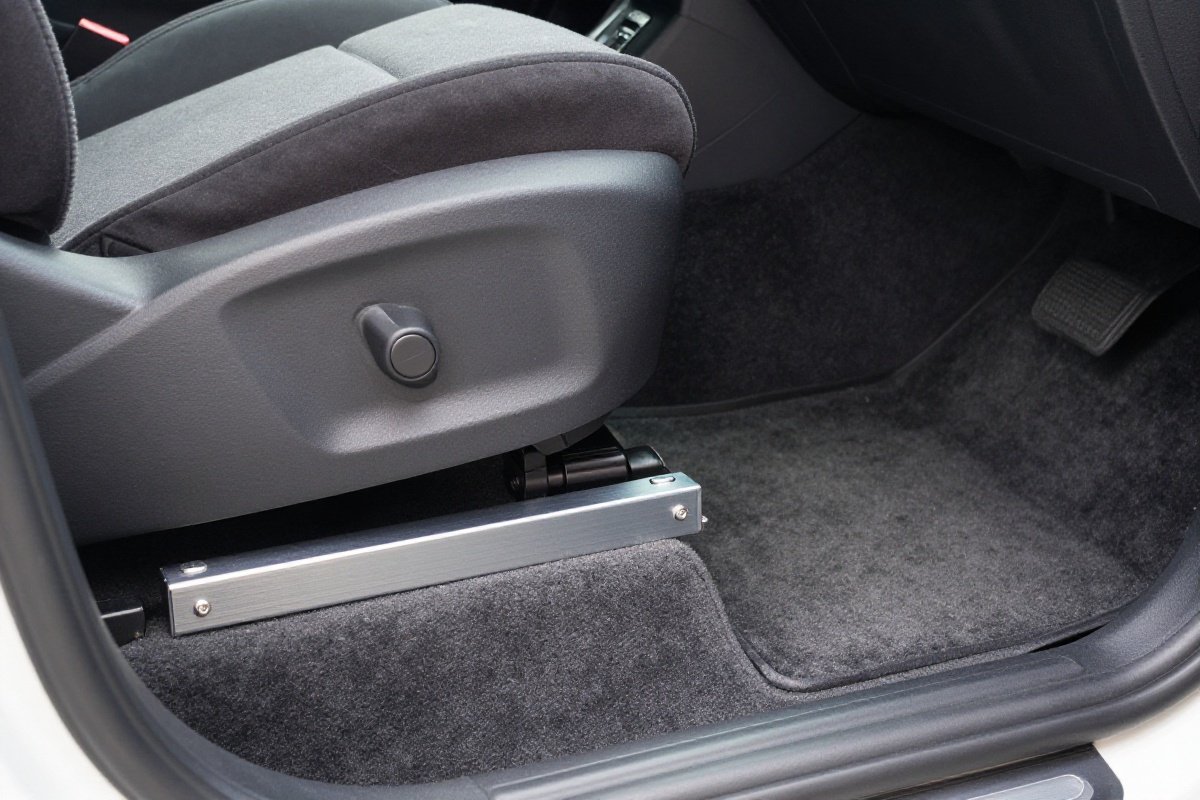
How Load Legs Work:
A load leg is a rigid support pole that extends from the car seat base to the vehicle floor, creating a direct path for crash forces to travel from the seat into the vehicle structure. During a frontal collision, the load leg prevents the seat from rotating forward, reducing the distance a child’s head travels and limiting neck forces.
Mechanical Advantages:
Without a load leg, the seat rotates around the belt path as a pivot point. This rotation can cause the child’s head to travel 6-8 inches forward during a crash. With a load leg engaged, rotation is limited to 2-3 inches, dramatically reducing head excursion and the associated neck strain.
Force Reduction Data:
Research published in traffic safety journals indicates load legs can reduce forward head excursion by:
- 40-50% in frontal impacts at 30 mph
- 30-35% in offset frontal collisions
- Significant reduction in neck tension forces (forces on the cervical spine)
European Regulatory Requirements:
ECE R129 (i-Size) regulations specifically address anti-rotation measures for infant carriers. While not explicitly requiring load legs, the testing protocols make clear that seats must control rotation within specified limits. Load legs emerged as the most effective engineering solution for meeting these requirements.
US Market Adoption:
FMVSS 213 does not require anti-rotation measures for rear-facing seats, which explains why load legs remained rare in the US market until recently. However, consumer demand for European-style safety features has prompted manufacturers like Clek, Nuna, and Peg Perego to introduce load leg options for American consumers.
Compatibility Considerations:
Load legs require adequate floor space and proper contact with the vehicle floor. Some vehicle designs - particularly those with floor storage compartments, uneven floor surfaces, or thick carpeting - may present challenges for load leg installation. Parents should verify compatibility with their specific vehicle before selecting a seat with this feature.
Safety Comparison Reality
No Clear Winner
Both systems, when used correctly, provide excellent protection. The differences reflect:
- Different testing protocols
- Varying vehicle fleet characteristics
- Distinct regulatory philosophies
- Market preference variations
The Importance of Certification
The critical factor isn’t which belt path “looks” better - it’s whether the seat is certified for use in your country. FMVSS 213 (US) and ECE R44/04 or R129 (Europe) represent different but rigorous safety standards.
The Evolution of FMVSS 213 Testing
Understanding the history behind US car seat regulations provides context for current belt path designs and suggests where future standards may evolve.
Historical Development:
FMVSS 213 was first established in 1971, creating the first federal requirements for child restraint systems in the United States. The original standard focused primarily on structural integrity and basic crash protection, with testing procedures that have expanded dramatically over five decades.
Key Regulatory Milestones:
| Year | Amendment | Safety Impact |
|---|---|---|
| 1971 | Original standard | Established baseline requirements |
| 1981 | Restraint system definition | Clarified scope and testing protocols |
| 1999 | Dynamic testing requirements | Added sled testing mandates |
| 2003 | Lower anchor and tether (LATCH) | Introduced standardized attachment system |
| 2021 | Side impact testing proposed | Enhanced protection for side collisions |
Current Testing Protocol:
FMVSS 213 requires child restraint systems to pass a 30-mph frontal sled test using specific crash pulse characteristics that simulate real-world vehicle deceleration. The test dummy must remain within the seat’s protective boundaries, and head injury criteria must remain below established thresholds.
Comparison with European Testing:
ECE R44 testing uses similar frontal impact parameters but adds requirements for:
- Rearward-facing installation testing
- Specific head support retention
- Different dummy sizing protocols
R129 (i-Size) introduced additional requirements including:
- Mandatory side-impact testing
- Enhanced rear-facing duration requirements
- Height-based classification rather than weight-based
Future Direction:
NHTSA has proposed amendments to FMVSS 213 that would add side-impact testing requirements, bringing US regulations closer to European i-Size standards. This convergence may drive further adoption of European-style belt path features in US-certified seats.
Vehicle Compatibility Considerations
Achieving a safe installation depends on how well the car seat interacts with the specific vehicle. Belt path design influences compatibility across different vehicle types.
Sedan and Compact Car Considerations:
Smaller vehicles often present challenges for rear-facing seats due to limited front-to-back space. European belt paths with rigid connectors sometimes require less adjustment space, potentially offering advantages in compact vehicles. However, load legs may be difficult to position properly if the vehicle floor has storage compartments or uneven surfaces.
SUV and Minivan Compatibility:
Larger vehicles generally offer more installation flexibility. American belt paths with their focus on versatile routing may provide advantages when dealing with:
- Captains chairs with unusual seat belt geometry
- Third-row installations with limited anchor accessibility
- Center seating positions with varying belt lengths
Truck and Pickup Specifics:
Trucks present unique challenges including:
- Shallower seat cushions that affect lap belt positioning
- Airbag deactivation requirements for front passenger seats
- Limited rear seat configurations in extended cab models
Center Seat Installation:
The center rear seat is statistically the safest position in most vehicles, but belt path access varies. European rigid LATCH systems sometimes struggle with widely spaced anchors, while American flexible strap designs can accommodate wider anchor spreads more easily.
Vehicle-Specific Fit Verification:
NHTSA maintains a database of vehicle-car seat compatibility, but parents should always perform physical verification. A seat that installs securely in one vehicle model may not achieve proper tightness in another due to seat contour, belt geometry, or anchor positioning differences.
Cross-Border Usage: What You Need to Know
Legal Restrictions
Never use a European seat in the US (or vice versa) because:
- Insurance may not cover accidents
- Legal liability issues
- Different crash testing protocols
- Certification requirements
International Brands
Companies like Cybex, Nuna, and Maxi-Cosi manufacture region-specific versions of seats. Ensure you purchase the certification appropriate for your country.
When Professional Installation Is Recommended
While many parents successfully install car seats independently, certain situations warrant professional assistance from a certified Child Passenger Safety Technician (CPST).
High-Risk Installation Scenarios:
-
Premature infants: Babies born before 37 weeks gestation or weighing less than 5 pounds may require special positioning considerations that exceed standard installation guidance.
-
Special needs children: Children with medical equipment, muscle tone abnormalities, or behavioral challenges may need customized restraint solutions.
-
Three-across configurations: Installing three car seats in one vehicle row requires careful selection and positioning that considers each seat’s width and interaction with adjacent seats.
-
Older vehicles: Cars manufactured before 2003 lack standardized LATCH anchors, requiring seat belt installations that some parents find confusing.
Finding a CPST:
Safe Kids Worldwide maintains a directory of certified technicians searchable by ZIP code. Many fire departments, police stations, and hospitals offer free installation checks by appointment. NHTSA also provides a technician locator tool on their safercar.gov website.
What to Expect:
A professional installation check typically takes 30-45 minutes. The technician will:
- Verify the seat is appropriate for the child’s age, weight, and height
- Check for vehicle-specific installation challenges
- Demonstrate proper installation technique
- Teach parents how to verify tightness independently
- Provide documentation of the installation check
When to Schedule Follow-up Checks:
Parents should consider returning for verification when:
- Moving the seat to a different vehicle position
- Switching from rear-facing to forward-facing configuration
- Transitioning to a different seat as the child grows
- After any vehicle accident, even minor ones
NHTSA’s National Child Restraint Use Special Study put the combined misuse rate for car seats and boosters at 46%, making professional verification a valuable investment of time for ensuring optimal protection. Understanding your state’s car seat laws also ensures you meet legal requirements alongside best practices. The belt path design - whether European or American - only provides protection when installed correctly.
Further Reading
- Car Seat Expiration: Why It Matters & How to Check Dates
- Car Seat Types & Ratings Explained: Complete Parent”s Guide
- RideSafer Travel Vest Review: Portable Car Seat Alternative
Emerging Convergence
Technology Transfer
Features are crossing borders:
- Load legs: European innovation now appearing in US seats (Clek Liing, Nuna PIPA)
- Rigid LATCH: More common in US premium seats
- Side impact testing: Enhanced in both markets
i-Size Influence
Europe’s R129 (i-Size) regulation is influencing global car seat design, with features like:
- Mandatory side impact testing
- Height-based classification
- Mandatory rear-facing to 15 months
Recommended Products
Cybex Sirona S
European design exampleEuropean design with advanced installation features.
What We Like
- Load leg reduces rotation and absorbs crash energy
- 360-degree rotation for easy access
- SensorSafe chest clip alerts for safety concerns
- European engineering with side-impact protection
What We Don't
- Premium price point
- Requires significant vehicle space due to load leg
- Heavy weight makes transfer between vehicles difficult
Britax Poplar S
American design exampleAmerican design with easiest installation system.
What We Like
- ClickTight installation removes most of the guesswork from a tight fit
- Slim 17-inch shell is designed to fit three across
- Extended rear-facing to 50 lbs, matching the premium tier
- ReboundReduce stability bar limits rear-facing rebound movement
- 14-position no-rethread headrest and harness adjust together
What We Don't
- Only 6 recline positions against 10 on the Nuna RAVA
- 1-year limited warranty is short for the price
- At 28 lbs it is no lighter than seats without the slim shell
- Cover is washable but lacks the natural-fibre options of premium rivals
Sources & Research
Continue Reading
Explore more car seat education content or browse our other categories.
Frequently Asked Questions
- What is the difference between European and American belt paths?
- The primary difference is how the vehicle seat belt routes through the car seat. European belt paths typically route the lap portion of the belt through the seat at a lower angle, closer to the child's hips, with the shoulder belt routing through a guide at the top. American belt paths often route the lap belt higher across the seat shell. European paths also more commonly use rigid LATCH connectors and load legs, while American seats traditionally use flexible LATCH straps. Both systems, when used correctly, meet their respective safety standards. European seats must comply with ECE R44/04 or R129 (i-Size) regulations, while American seats meet FMVSS 213. The routing differences reflect different testing standards and safety philosophies rather than one being inherently superior.
- Are European car seats safer than American car seats?
- Neither European nor American car seats are universally "safer" - they meet different regulatory standards designed for their respective markets. European seats undergo ECE R44/04 or R129 (i-Size) testing; American seats meet FMVSS 213. Both sets of standards result in safe seats when properly used. European regulations emphasize: rear-facing until 15 months minimum (vs. 2 years recommended by AAP in US), i-Size regulations require side impact testing, and load legs are more common. US regulations emphasize: different crash pulse characteristics, upper weight limits for LATCH use, and specific labeling requirements. Importantly, using a European seat in the US (or vice versa) is illegal because they don't meet local certification standards. Use seats certified for your country of residence.
- Can I use a European car seat in the United States?
- No, it is illegal to use a European car seat in the United States. Car seats must meet FMVSS 213 to be legal for use on US roads. European seats are certified to ECE R44/04 or R129 standards, which are not recognized by US authorities. Similarly, US seats cannot be used in Europe. This isn't just a regulatory technicality - insurance coverage may be void if you're using a non-compliant seat in an accident. If you're moving between continents, you must purchase seats certified for your destination country. The belt routing, labeling, and testing are different enough that cross-use is not permitted. Some international brands (like Cybex, Nuna, Maxi-Cosi) manufacture different versions of seats for different markets - ensure you're buying the US-certified version if in America.
- Why do European seats have load legs but American seats rarely do?
- Load legs (support poles extending to the vehicle floor) are more common in European seats due to regulatory and market differences. European i-Size regulations (R129) specifically address anti-rotation measures, and load legs are an effective solution. In the US, FMVSS 213 doesn't specifically require or encourage load legs, so manufacturers haven't widely adopted them due to cost and complexity. However, this is changing - some US seats (like the Clek Liing, Nuna PIPA) now feature load legs as a competitive advantage. The safety benefit of load legs is recognized globally - they prevent seat rotation in crashes, reducing forces on children. As consumer awareness grows, expect to see more US seats incorporating this European innovation.
- Which belt path is easier to install correctly?
- Neither European nor American belt paths are inherently easier - the difficulty depends more on the specific seat design and your vehicle. However, American seats more commonly feature installation aids like Britax's ClickTight or Chicco's SuperCinch that simplify achieving proper tightness. European seats more commonly use rigid LATCH, which clicks directly into anchors without tightening straps. The "easiest" path is the one you can install correctly every time in your specific vehicle. Some parents find European routing more intuitive; others prefer American designs. The best approach is to try installing seats in your vehicle before purchasing. Many retailers allow returns if seats don't fit properly. Proper installation matters more than which country's design philosophy the seat follows.
Written By
Kid Sitting Safe
Our team researches car seat safety standards, crash test data, and real-world usability to help parents make the safest choice.
Related Articles
Car Seat Types & Ratings Explained: Complete Parent's Guide
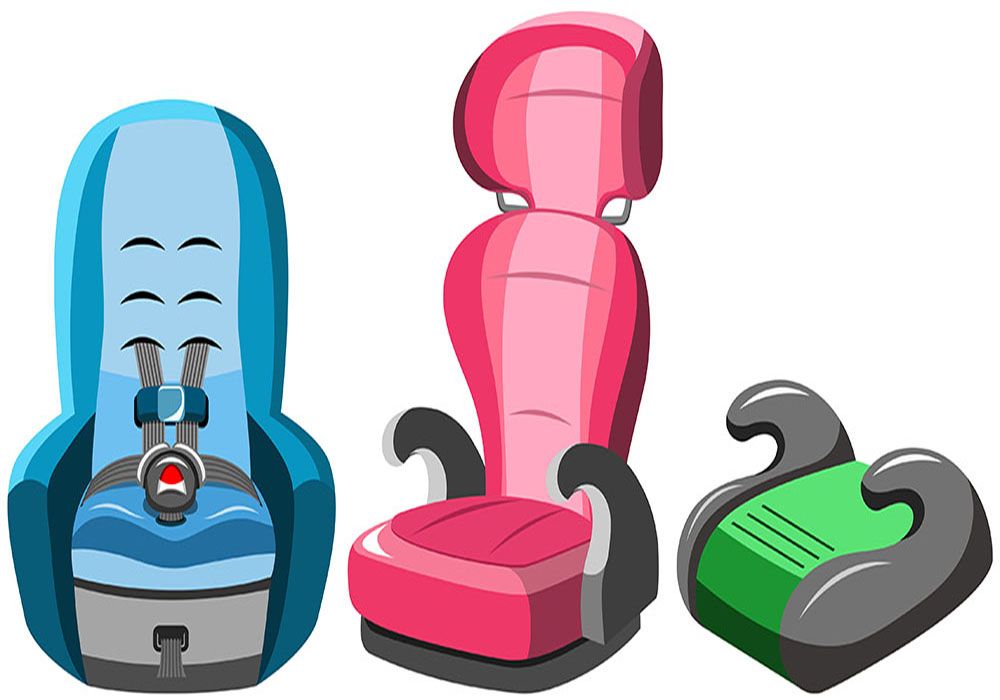
Understand all car seat types from infant to booster. Learn about NHTSA ratings, FMVSS 213 standards, and how to choose between infant, convertible, all-in-one, and booster seats.
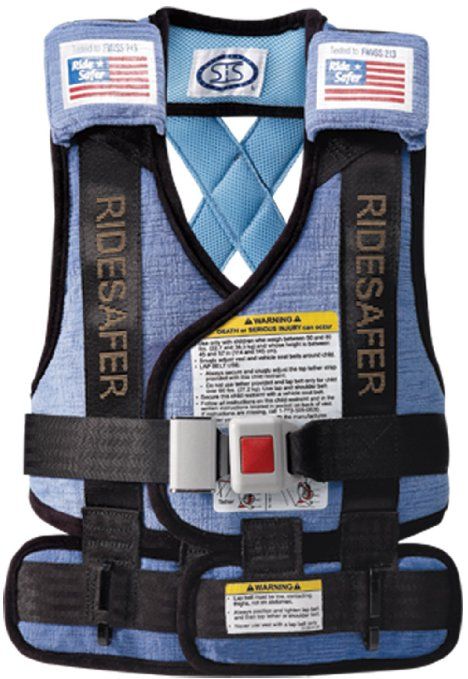
RideSafer Travel Vest Review: Portable Car Seat Alternative
In-depth RideSafer travel vest review. We analyze this FMVSS 213-certified portable restraint for travel, taxis, and carpooling with safety ratings and comparison.
Car Seat Expiration: Why It Matters & How to Check Dates
Learn why car seats expire and how to check expiration dates. Understand material degradation, safety standard updates, and when to replace your child's car seat.