Affiliate Disclosure:Kid Sitting Safe is reader-supported. When you buy through links on our site, we may earn an affiliate commission at no additional cost to you. This does not influence our reviews or recommendations — we only recommend products we genuinely believe in.
The Britax Frontier was once the gold standard for harness-to-booster car seats, but all Frontier models (G1.1, 90, 85) and the related Pioneer have been discontinued. If you’re researching these models, you’re likely finding outdated information or used seats for sale.
This guide explains the differences between discontinued Frontier models and provides current alternatives, including Britax’s direct replacement: the Grow With You series.
Understanding the Discontinued Frontier Lineup
Britax’s Frontier line evolved over several years, each iteration bringing incremental improvements. Understanding these differences helps when you’re replacing an older model or evaluating current alternatives.
Frontier 85 (Original)
-
Harness mode: 25-85 pounds
-
Booster mode: 40-120 pounds
-
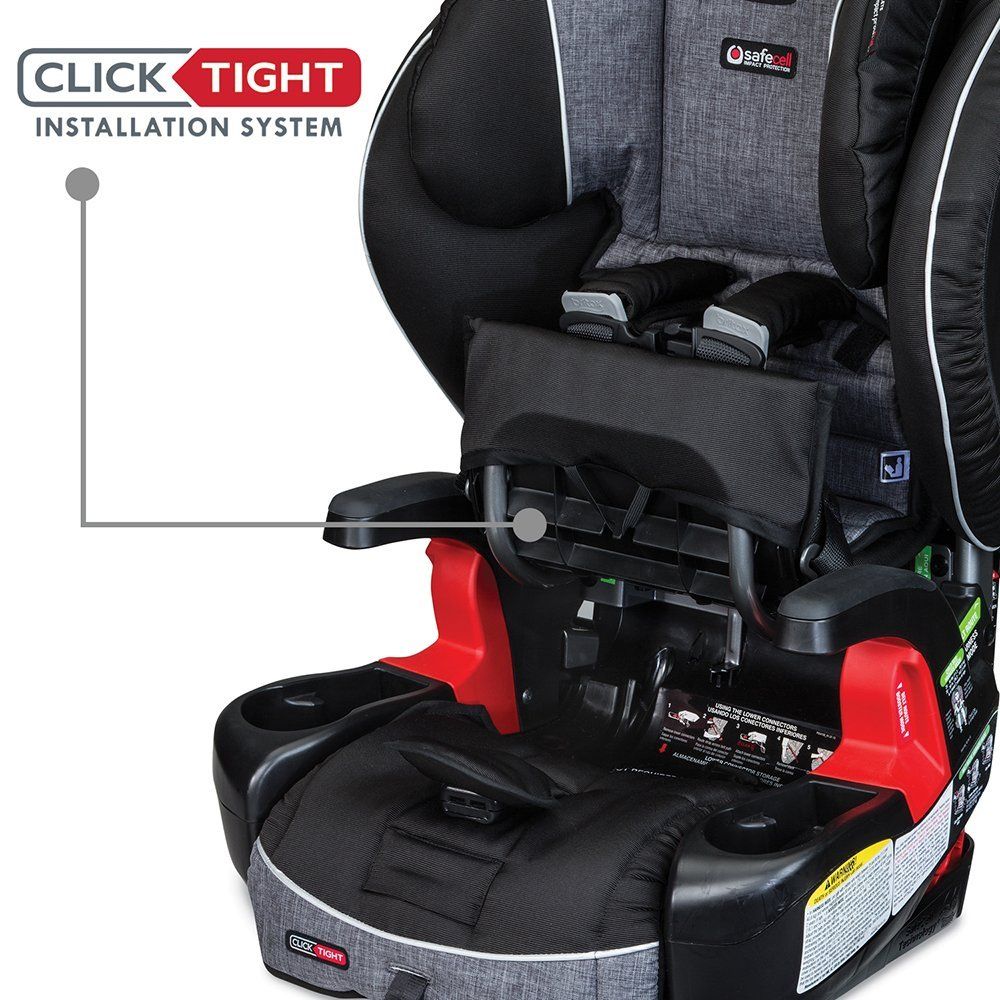
Key feature: ClickTight installation system
-
Status: Discontinued
Launched in 2014, the original Frontier 85 revolutionised harness booster installation with the ClickTight system. It established Britax’s reputation for combining extended harnessing with foolproof installation. An 85-pound harness limit exceeded most competitors at the time, letting children stay in the safer five-point harness configuration longer.
Frontier 90
-
Harness mode: 25-90 pounds (5 pounds more than 85)
-
Booster mode: 40-120 pounds
-
Key feature: ClickTight installation system
-
Status: Discontinued
Released in 2017, the Frontier 90 addressed parent feedback requesting higher harness weight limits. Five extra pounds doesn’t sound like much, but it allowed larger children or those with developmental needs to remain harnessed longer. Per NHTSA guidelines, children should stay in a forward-facing harness as long as possible before transitioning to booster mode - making this upgrade genuinely valuable for safety-conscious families.
Frontier G1.1
-
Harness mode: 25-90 pounds
-
Booster mode: 40-120 pounds
-
Key changes: Updated fabrics and labeling
-
Status: Discontinued
A minor refresh rather than a major redesign. Britax updated fabric choices, refreshed warning labels to comply with updated FMVSS 213 requirements, and made small adjustments to padding configuration. Functionally identical to the standard Frontier 90 - primarily a cosmetic update.
Pioneer
-
Harness mode: 25-70 pounds
-
Booster mode: 40-110 pounds
-
Key difference: Standard installation (no ClickTight)
-
Status: Discontinued
Britax’s budget-friendly alternative to the Frontier line. By eliminating ClickTight and reducing weight limits, they offered similar functionality at a lower price. But the standard installation method increased the likelihood of errors - AAP recommends a technician check the fit. NHTSA’s own study put the combined misuse rate for car seats and boosters at 46%, a risk ClickTight was designed to minimise.
The Evolution of Safety Standards
Understanding why Britax discontinued the Frontier line requires context about evolving safety standards and testing protocols. While all Frontier models met FMVSS 213 requirements when manufactured, car seat safety technology has advanced significantly since 2014.
Side Impact Protection Advances
Modern seats like the Grow With You carry more side impact protection than the previous generation did, which matters because a door leaves so little crush space between the impact and the child. The Frontier’s two-layer system was excellent for its time, but newer designs add extra energy-absorbing materials and deeper side wings.
Installation Error Reduction
While ClickTight was revolutionary, the system has been refined in current Britax models. The improved ClickTight Plus mechanism requires less force to close, provides clearer audible feedback, and accommodates a wider variety of vehicle seat belt configurations. These improvements address the small percentage of parents who struggled with the original system’s closing mechanism.
Material Safety Improvements
Contemporary car seats utilize flame retardants and materials that weren’t available when the Frontier 85 launched. The Grow With You line incorporates fabrics that meet current chemical safety standards while providing equivalent or better flame resistance, addressing parent concerns about potentially harmful additives.
Current Alternative: Britax Grow With You
Britax’s direct Frontier replacement, offering similar functionality with updated features reflecting a decade of safety research and parent feedback.
Grow With You Specifications
-
Harness mode: 25-65 pounds
-
Booster mode: 40-120 pounds
-
Installation: ClickTight system (improved)
-
Side impact: 2-layer protection
-
Weight: 25 pounds
Why the lower harness weight limit (65 pounds versus 90 pounds)? It reflects current AAP recommendations and real-world usage patterns. Research indicates most children transition to booster mode between ages 5-7, typically weighing 50-65 pounds. That 90-pound limit, while impressive on paper, served fewer families than originally anticipated.
Grow With You Plus Upgrade
-
Fabric: Nanotex stain/moisture resistant
-
Side impact: 3-layer protection
-
Installation: ClickTight Plus
-
Additional: Anti-rebound bar
For the premium market, the Plus model adds Nanotex fabric technology that repels liquids and resists staining - genuinely practical when you’re dealing with spills and accidents. A third layer of side impact protection adds a rigid structure redirecting crash forces away from the child’s head and torso. And an anti-rebound bar, borrowed from infant seat design, limits rotational movement during frontal impacts.
Real-World Installation Improvements
Britax’s updated ClickTight mechanism addresses specific pain points reported by Frontier owners. It requires approximately 30% less closing force according to Britax testing - more accessible for parents with limited hand strength or arthritis. A widened belt path accommodates the thicker vehicle seat belts found in newer vehicles, and the mechanism provides more consistent tension across different belt widths.
Head-to-Head: Frontier vs. Grow With You
| Feature | Frontier 90 (Discontinued) | Grow With You (Current) |
|---|---|---|
| Harness limit | 90 lbs | 65 lbs |
| Booster limit | 120 lbs | 120 lbs |
| Installation | ClickTight | ClickTight (improved) |
| Side impact | 2-layer | 2-layer (3 on Plus) |
| Expiration | 9 years | 9 years |
| Price Tier | Mid-Range | Mid-Range |
| Harness height positions | 10 | 10 |
| Cup holders | 2 | 2 |
| Recline positions | 2 | 2 |
| Fabric options | 5 | 8 |
| LATCH weight limit | 65 lbs | 65 lbs |
Beyond the Specifications
Specs only tell part of the story. The Grow With You incorporates engineering refinements you won’t find in a comparison table. Harness adjustment operates more smoothly, reducing the frustration some parents experienced with sticky Frontier harnesses. Seat pad removal has been simplified for washing - addressing a common complaint about the Frontier’s multi-step cover removal.
Booster mode gets a redesigned seat belt lock-off mechanism with more intuitive operation. Parents reported confusion about proper lock-off engagement on Frontier models, so the Grow With You provides clearer visual and tactile feedback when properly secured.
Best Alternatives to the Frontier
Best Current Alternative: Britax Grow With You ClickTight
For parents wanting the Frontier experience, the Grow With You delivers:
-
Same ClickTight confidence
-
Similar weight ranges
-
Updated safety features
-
Current manufacturing and support
Why this works for former Frontier owners: The learning curve is minimal. If you successfully installed a Frontier, you’ll find the Grow With You instantly familiar. The seat shell dimensions are nearly identical, so it fits in the same vehicles and seating positions. Harness threading follows the same pattern, and the booster mode transition process remains unchanged.
Real-world considerations: The current price point represents a modest increase over the original Frontier 90, but accounting for inflation, the cost is effectively equivalent. Current retail promotions frequently offer savings, making it competitive with other premium combination seats.
Best Budget Alternative: Graco Tranzitions 3-in-1
At roughly half the price, the Tranzitions offers:
-
Harness-to-booster functionality
-
22-100 pound range
-
Lighter weight (17 pounds)
-
No premium installation system
-
Three-mode versatility (rear-facing, forward-facing harness, booster)
Trade-offs to consider: The standard installation method requires careful attention to achieve proper tightness. NHTSA recommends the “one-inch test” - properly installed seats shouldn’t move more than one inch side-to-side or front-to-back at the belt path. Without ClickTight’s automatic tensioning, achieving this consistently requires practice. However, many parents successfully install the Tranzitions correctly, particularly when using LATCH instead of seat belts.
At 17 pounds versus 25, the Tranzitions is noticeably easier to move between vehicles - beneficial for carpooling families or those without a dedicated car seat vehicle. Eight pounds may seem minor, but it’s significant when you’re wrestling a bulky seat through car doors.
Best Comfort Alternative: Chicco MyFit
The MyFit competes with Britax on features:
-
4-position recline (Frontier had 2)
-
Premium padding
-
Easy harness adjustment
-
25-100 pound range
-
DuoGuard side impact protection
Comfort advantages: Chicco focused heavily on ergonomics with the MyFit. The four recline positions accommodate different vehicle seat angles and child preferences better than the Frontier’s two positions. The seat padding uses dual-layer foam - firmer support foam underneath with softer comfort foam on top - creating a more supportive seating experience during long trips.
A nine-position headrest adjusts independently from the harness (though they move together), letting you fine-tune head support for sleeping children. This directly addresses a common Frontier complaint - heads slumping forward during naps.
Installation considerations: The MyFit uses Chicco’s ReclineSure system for leveling indicators, but lacks an integrated installation system like ClickTight. It falls between the Tranzitions (basic installation) and Grow With You (premium installation) in terms of ease of use.
Alternative Comparison Matrix
| Feature | Grow With You | Graco Tranzitions | Chicco MyFit |
|---|---|---|---|
| Price Tier | Premium | Budget | Mid-Range |
| Installation ease | Excellent (ClickTight) | Good (standard) | Very Good (ReclineSure) |
| Harness limit | 65 lbs | 65 lbs | 65 lbs |
| Booster limit | 120 lbs | 100 lbs | 100 lbs |
| Recline positions | 2 | 2 | 4 |
| Side impact layers | 2 (3 on Plus) | 2 | 2 |
| Weight | 25 lbs | 17 lbs | 23 lbs |
Should You Buy a Used Frontier?
We do not recommend purchasing used Frontier models.
Risks Include:
-
Unknown crash history (even minor crashes can compromise safety)
-
Missing parts (discontinued parts may be unavailable)
-
Expired seats (check the expiration date label)
-
Outdated technology (newer seats offer improved protection)
-
No warranty (transferred warranties are limited)
Detailed Risk Assessment
Crash history uncertainty: Car seat safety depends on structural integrity that isn’t always visible to the eye. According to NHTSA guidelines, any car seat involved in a moderate or severe crash must be replaced, and many manufacturers recommend replacement even after minor crashes. When purchasing used, you’re trusting a stranger’s definition of “minor” or their honesty about crash history. Internal cracking or stress fractures may not appear until a subsequent impact, when the compromised structure fails catastrophically.
Parts availability challenges: Britax officially discontinued the Frontier line, meaning replacement parts inventory is finite. If you purchase a used Frontier missing the chest clip, harness straps, or cup holders, finding official Britax replacements becomes increasingly difficult. Third-party parts may not meet FMVSS 213 standards, and using non-approved parts technically invalidates the seat’s safety certification.
Expiration reality: Britax car seats carry a nine-year expiration from manufacture date. A Frontier 90 manufactured in 2018 expires in 2027 - just one year away. Purchasing a used seat today likely means limited remaining useful life. For a harness-to-booster seat designed to last children from ages 2-12, buying a seat with only 1-3 years of validity represents poor value even at a deep discount.
Technology lag: Car seat safety advances rapidly. The five-year gap between the original Frontier 85 (2014) and its discontinuation (2019) saw significant advances in side impact protection, energy-absorbing foams, and installation systems. Seats designed using 2014 crash test data inevitably lag behind current models tested against contemporary standards and newer vehicle designs.
If You Already Own a Frontier:
-
Check expiration: Typically 9 years from manufacture
-
Inspect thoroughly: Look for cracks, fraying, or damage
-
Register with Britax: For recall notifications
-
Plan replacement: When expired, consider the Grow With You
Detailed inspection protocol: Remove the seat cover completely and examine the plastic shell under bright light. Look for stress cracks around the ClickTight mechanism, LATCH attachment points, and harness threading slots. Run your hands along all edges feeling for rough spots indicating crack propagation. Check the harness webbing for fraying, particularly where it passes through the shell and at sewn points. Examine the chest clip for smooth operation - it should snap and release firmly without excessive force.
Registration importance: Britax maintains records of registered seats and notifies owners of recalls or safety notices. Even though Frontier models are discontinued, recalls can still be issued based on field data or newly identified issues. Registration takes five minutes online and ensures you receive critical safety information.
Transition planning: As your Frontier approaches expiration, begin researching replacements 6-12 months in advance. This allows you to watch for sales and make an informed decision rather than panic-buying when expiration is imminent. Many families time replacement with Black Friday, Prime Day, or other major sales events to maximize value.
ClickTight Installation: Why It Matters
The Frontier’s ClickTight system was revolutionary - and the Grow With You improves upon it. Understanding why this installation method matters helps parents appreciate the value proposition when comparing seats.
How ClickTight Works:
-
Open the seat’s front panel
-
Thread the vehicle seat belt through the belt path
-
Close the panel until it clicks
-
The mechanism automatically tensions the belt
Benefits:
-
Eliminates guesswork
-
Reduces physical strain
-
Consistent tightness
-
Lower error rates
The Installation Error Crisis
NHTSA’s National Child Restraint Use Special Study put the combined misuse rate for car seats and boosters at 46%, counting installation and how the child is restrained. The most common errors include:
-
Insufficient tightness: The seat moves more than one inch at the belt path
-
Incorrect belt path: Seat belt threaded through wrong slots
-
Loose harness straps: Gaps between harness and child’s body
-
Incorrect recline angle: Seat too upright or too reclined
-
Twisted straps: Webbing not lying flat
ClickTight addresses the first two errors - the most dangerous and most common. By mechanically tensioning the belt and clearly defining the correct belt path, the system eliminates the leading causes of installation failure.
Real Parent Experiences
Installation confidence translates to consistent use. Parents who struggle with installation may avoid moving seats between vehicles or fail to reinstall properly after seat cover washing. ClickTight users report higher confidence in their installation, leading to more consistent proper use.
The physical effort reduction matters particularly for parents with physical limitations. Traditional installation requires significant arm strength to achieve proper tightness - pulling the seat belt tight while simultaneously pushing down on the seat with body weight. ClickTight’s mechanical advantage allows proper installation without this physical strain, making it accessible to more caregivers.
ClickTight vs. LATCH Systems
Both installation methods aim to secure the car seat firmly, but they work differently:
LATCH (Lower Anchors and Tethers for CHildren):
-
Uses dedicated vehicle anchor points
-
Weight limit: 65 pounds combined (child + seat weight)
-
Quick installation/removal
-
Limited to specific seating positions
ClickTight (using seat belt):
-
Works in any seating position with a seat belt
-
No weight restrictions in forward-facing mode
-
More permanent installation
-
Requires threading through mechanism
Most Frontier and Grow With You owners use LATCH initially, then transition to ClickTight seat belt installation when their child’s weight plus the 25-pound seat exceeds 65 pounds. This typically occurs when the child weighs 40-45 pounds, coinciding with kindergarten age for most children.
When to Transition Between Modes
Harness to Booster:
-
Weight: When child exceeds 65 pounds (Grow With You)
-
Height: When harness slots are below shoulders
-
Maturity: Child can sit properly 100% of the time
Booster to Seat Belt Only:
-
Height: 4’9” (57 inches) minimum
-
Age: Typically 8-12 years
-
Fit test: Lap belt low on hips, shoulder belt centered on chest
The Maturity Factor: Often Overlooked
Weight and height requirements are objective, but maturity assessment requires honest evaluation. According to AAP guidelines, children should remain in booster seats until the vehicle seat belt fits properly without assistance. This means:
-
Sitting all the way back: Bottom against the vehicle seat back
-
Knees bent naturally: Knees bending comfortably at seat edge without slouching
-
Lap belt position: Across upper thighs, not stomach
-
Shoulder belt position: Across chest and shoulder, not neck or face
-
Sustained position: Maintaining proper position for entire trip
Many children meet height/weight requirements but lack the maturity to maintain proper positioning during entire trips. For more on when children are ready for this transition, see our guide on when kids can sit in a booster seat. A child who consistently unbuckles, slouches, or positions the shoulder belt behind their back needs more time in a booster with positioning assistance, regardless of size.
The Five-Point Harness Advantage
Research consistently demonstrates that five-point harnesses provide superior protection compared to vehicle seat belts for children under 65 pounds. NHTSA’s 71% figure covers car seat use by infants under 1 in passenger cars, so it isn’t a measure of harness-versus-belt protection at this age; treat harness-versus-belt percentages in circulation with care.
The harness advantage comes from:
-
Force distribution: Spreading crash forces across five points (shoulders, hips, crotch) rather than two (lap and shoulder)
-
Movement restriction: Limiting forward movement during impact, reducing contact with vehicle interior
-
Proper positioning: Maintaining optimal positioning regardless of child’s attention or behavior
Children should remain in harness mode until reaching the maximum weight/height limit or demonstrating readiness for independent seat belt use - whichever comes later.
Understanding FMVSS 213 Compliance
All car seats sold in the United States must meet Federal Motor Vehicle Safety Standard 213, which establishes performance requirements for child restraint systems. Both discontinued Frontier models and current alternatives like the Grow With You meet these standards, but understanding what this means helps parents make informed decisions.
What FMVSS 213 Requires
The standard mandates:
-
Dynamic testing: Seats must pass crash tests simulating frontal and rear impacts
-
Materials safety: Restrictions on flammability and toxic substances
-
Labeling requirements: Clear instructions and warnings
-
Harness performance: Minimum strength and release force requirements
-
Structural integrity: Shell must maintain integrity during impact
Meeting FMVSS 213 is the baseline - all seats pass these tests before sale. Differences between seats involve engineering beyond minimum requirements, convenience features, and ease of proper use.
Beyond Minimum Standards
Premium seats like the Frontier and Grow With You exceed minimum requirements through:
-
Additional testing: Internal testing protocols beyond federal requirements
-
Side impact protection: FMVSS 213 doesn’t require side impact testing, but manufacturers include protection systems
-
Energy-absorbing materials: Advanced foams and structures that dissipate crash forces
-
Engineering redundancy: Multiple layers of protection rather than minimum viable design
When comparing seats, remember that all legal seats meet minimum safety standards. Price differences typically reflect installation convenience, material quality, longevity, and comfort rather than fundamental safety disparities.
Addressing Special Situations
Children with Special Needs
Families with children who have developmental delays, physical disabilities, or special medical needs often benefited from the Frontier’s extended harnessing. A 90-pound harness limit accommodated larger children who needed five-point restraint longer than typical peers.
Current options for special needs include:
-
Britax Grow With You: 65-pound limit may suffice for many children
-
Hybrid car seats/vests: Alternatives like the RideSafer Travel Vest accommodate larger sizes
-
Extended-use harness seats: Some seats designed specifically for special needs extend beyond typical limits
-
Medical professional consultation: Child Passenger Safety Technicians with special needs training can identify appropriate solutions
The AAP recommends children with special needs remain in five-point harnesses as long as possible, making seat selection particularly important for these families.
Multi-Car Families
The Frontier’s 25-pound weight made frequent vehicle transfers challenging. Families moving seats between vehicles should consider:
Dedicated seat strategy: Purchase multiple seats, one for each vehicle. Two Graco Tranzitions seats cost roughly the same as one Grow With You, eliminating transfer needs.
Lightweight secondary seat: Keep a lightweight combination seat (like the Graco Tranzitions) for the secondary vehicle, using the heavier premium seat in the primary vehicle.
Installation mastery: If frequent transfers are unavoidable, master the installation process through practice and consider professional verification by a CPST (Child Passenger Safety Technician).
Rental Cars and Travel
Traveling families face unique challenges. The Frontier’s size and weight made it impractical for air travel. Alternatives include:
Travel-specific seats: Lightweight combination seats (15-18 pounds) designed for portability
Rental car seats: Most rental agencies offer car seats, though quality and cleanliness vary
Ride-sharing considerations: Car seats in ride-sharing vehicles present complex challenges; some families use portable options
Checking seats: Airlines allow free car seat checking, though damage risk exists
Maintenance and Longevity Tips
Whether maintaining a current Frontier or maximizing a new seat’s lifespan, proper care extends usability:
Regular Cleaning Protocol
Harness straps: Spot clean only with mild soap and water. Never submerge or machine wash harness straps - washing weakens webbing integrity. Most stains respond to gentle scrubbing with a damp cloth.
Seat cover: Follow manufacturer instructions precisely. Most Britax covers are machine washable on gentle cycle with cold water, line dried. Never use bleach or harsh chemicals that degrade fire-retardant treatments.
Plastic shell: Wipe with damp cloth and mild detergent. Avoid harsh chemicals that can crack or weaken plastic over time. Pay special attention to ClickTight mechanism, ensuring no debris interferes with operation.
Storage Considerations
If storing a car seat temporarily (between children, seasonal vehicles), proper storage prevents degradation:
-
Climate control: Store in temperature-stable environments (50-80°F). Extreme heat or cold can damage plastics and webbing
-
UV protection: Keep away from direct sunlight, which degrades plastics and fades fabric
-
Pest prevention: Store in sealed bags to prevent insect or rodent damage
-
Position: Store upright if possible to maintain structural integrity
Seasonal Considerations
Winter bulk: Puffy coats compress during crashes, creating dangerous slack in harness systems. The AAP recommends removing coats before buckling, then placing coats backward over buckled child for warmth.
Summer heat: Car seats can become dangerously hot in closed vehicles. Cover seats with light-colored towels when parking in sun, and test seat temperature before placing children.
Further Reading
-
Britax Boulevard vs Marathon vs Advocate: Which Is Right for You?
-
Britax vs Chicco: Which Car Seat Brand Is Best for Your Family?
The Economics of Combination Seats
Cost Per Year Analysis
Understanding cost-per-year helps evaluate value:
Grow With You (Premium):
-
Usable from 30-120 pounds (roughly ages 2-12)
-
10-year usage span (minus already-used years)
-
Moderate cost per year over full lifespan
-
Lower cost per year if purchased on sale
Graco Tranzitions (Budget):
-
Similar usage span
-
Low cost per year over full lifespan
-
Trade-off: no premium installation system
Budget infant + dedicated booster approach:
-
Infant seat: Budget option (used 1-3 years)
-
Dedicated booster: Budget option (used 5-10 years)
-
Multiple purchase occasions and transitions
-
Very low cost per year total
Combination seats typically offer better value than purchasing separate seats for different stages, particularly premium models with extended usability.
Resale Value Considerations
Why you shouldn’t rely on resale:
While Frontier models held value well due to ClickTight popularity, planning to resell car seats is problematic:
-
Expiration dates limit resale windows
-
Safety-conscious buyers prefer new seats
-
Liability concerns if sold seat is involved in crash
-
Ethics of selling safety equipment with unknown history
Donation alternatives:
If replacing an unexpired seat in good condition, consider:
-
Local family resource centers
-
Domestic violence shelters
-
Hospital car seat programs
-
Fire station fitting events
Ensure donated seats are unexpired, crash-free, and include all original parts. Include the instruction manual and manufacture date information.
Head-to-Head Comparison
Detailed Reviews
Britax Grow With You ClickTight
Best current alternativeThe current Frontier replacement with updated safety and ease-of-use features.
What We Like
- ClickTight installation system for secure, error-free installation
- Converts from harness to booster for extended use (25-120 lbs)
- 2-layer side impact protection with energy-absorbing foam
- Easy harness adjustment without rethreading
What We Don't
- Premium pricing for a harness-to-booster seat
- Forward-facing only - not suitable for infants or toddlers under 25 lbs
- Heavier than some competitors, reducing portability
Britax Grow With You ClickTight Plus
Best premium optionPremium version with enhanced fabrics and additional safety features.
What We Like
- ClickTight Plus system with enhanced installation indicators
- Nanotex fabric technology resists stains and moisture
- Three-layer SafeCell side impact protection
- Anti-rebound bar for added rear-facing stability
- Converts to high-back booster for extended use (40-120 lbs)
What We Don't
- Highest price point in the category
- Limited color options compared to other Britax models
- Nanotex fabric may feel less soft than standard fabrics
Graco Tranzitions 3-in-1
Best budget alternativeAffordable alternative for parents seeking harness-to-booster functionality.
What We Like
- Budget-friendly alternative to premium brands
- 26.5-100 pound weight range covers many years
- Lightweight at 15.5 lbs for switching between vehicles
- 8-position adjustable headrest
What We Don't
- No ClickTight or similar advanced installation system
- Less padding than Britax and other premium brands
Chicco MyFit Harness+Booster
Best comfort alternativeStrong competitor with excellent comfort and safety features.
What We Like
- 4-position recline for comfort on long trips
- DuoGuard side impact protection system
- Premium fabrics and padding for comfort
- Easy harness adjustment with no-rethread system
What We Don't
- 25-100 lb range is narrower than some competitors (Britax 49-120 lbs)
- Heavier seat (21 lbs) makes vehicle transfers difficult
- Installation more complex than ClickTight systems
Evenflo Maestro Sport
Best entry levelBest entry-level harness booster for budget-conscious families.
What We Like
- Very affordable entry point for combination seat
- 30-100 pound range covers extended use
- Lightweight at 11 pounds for easy transfer
- Dual cup holders for convenience
What We Don't
- Basic side impact protection compared to premium seats
- Limited padding for longer trips
- No recline positions
Sources & Research
Continue Reading
Explore more car seat comparisons content or browse our other categories.
Frequently Asked Questions
- Are Britax Frontier models current?
- No, all Britax Frontier models (G1.1, 90, 85) and the Pioneer have been discontinued and are no longer manufactured. Britax replaced the Frontier line with the Grow With You series. While you may find remaining inventory or used Frontier seats, we don't recommend purchasing discontinued models. Car seat technology evolves, and newer models offer improved safety features, easier installation, and updated fabrics. Additionally, discontinued models may have limited replacement part availability and will have earlier expiration dates. The Grow With You is the direct replacement and offers similar ClickTight installation and harness-to-booster functionality with updated safety features.
- What is the difference between Frontier G1.1, 90, and 85?
- The Frontier 85 was the original model, rated for children 25-85 pounds in harness mode and 40-120 pounds in booster mode. The Frontier 90 added 5 pounds to the harness limit (25-90 pounds) while keeping the same booster range. The Frontier G1.1 (Generation 1.1) was a minor update with refreshed fabrics and labeling, maintaining the 90-pound harness limit. All three versions featured Britax's ClickTight installation system and similar safety features. The Pioneer was essentially a Frontier without the ClickTight system, using standard seat belt installation instead. All have been discontinued in favor of the Grow With You series.
- What replaced the Britax Frontier?
- The Britax Grow With You ClickTight is the direct replacement for the Frontier series. It offers similar harness-to-booster functionality with updated features: 25-65 pounds in harness mode, 40-120 pounds in booster mode, the improved ClickTight installation system, 2-layer side impact protection, and refreshed fabrics. The Grow With You Plus adds Nanotex stain-resistant fabric and 3-layer side impact protection. Both models maintain the Frontier's reputation for safety and ease of installation while offering modern updates. If you owned a Frontier and need a replacement or additional seat for another vehicle, the Grow With You is the equivalent current model.
- Is the ClickTight system worth the premium price?
- For most parents, yes. The ClickTight system significantly reduces installation errors, which studies show are the leading cause of car seat ineffectiveness. With ClickTight, you simply open the seat like a car door, thread the belt, close it until it clicks, and you're done. The system automatically tensions to the correct tightness. Parents with limited hand strength, grandparents, and anyone who frequently moves seats between vehicles particularly benefit. While the Grow With You costs more than basic harness boosters, the installation confidence it provides often justifies the price. If budget is tight, the Graco Tranzitions offers similar functionality without ClickTight at a lower price point.
- When should my child switch from harness to booster mode?
- Per AAP guidelines, children should remain in 5-point harness mode as long as possible - understanding [car seat types](/car-seat-types-explained/) helps clarify when to transition - until they reach the maximum weight or height limit of the harness. For the Grow With You, this means using the harness until your child reaches 65 pounds or the harness slots are below their shoulders. Only then should you transition to booster mode. Most children are ready for booster mode between ages 5-7, but maturity matters as much as size. A child must be able to sit properly with the vehicle seat belt positioned correctly (lap belt low on hips, shoulder belt across chest) for the entire ride without slouching, leaning, or unbuckling themselves. Premature transition to booster mode increases injury risk.
Written By
Kid Sitting Safe
Our team researches car seat safety standards, crash test data, and real-world usability to help parents make the safest choice.
Related Articles

Britax Boulevard vs Marathon vs Advocate: All Three Are Retired
Britax has retired all three ClickTight convertibles. What separated them, what to check if you own one or are buying secondhand, and which current Britax seat replaces them.
Convertible vs All-in-One Car Seats: Which Should You Buy?
Convertible or all-in-one car seat? A decision-stage comparison covering rear-facing limits, lifespan, value, and which seat fits your family across each stage.
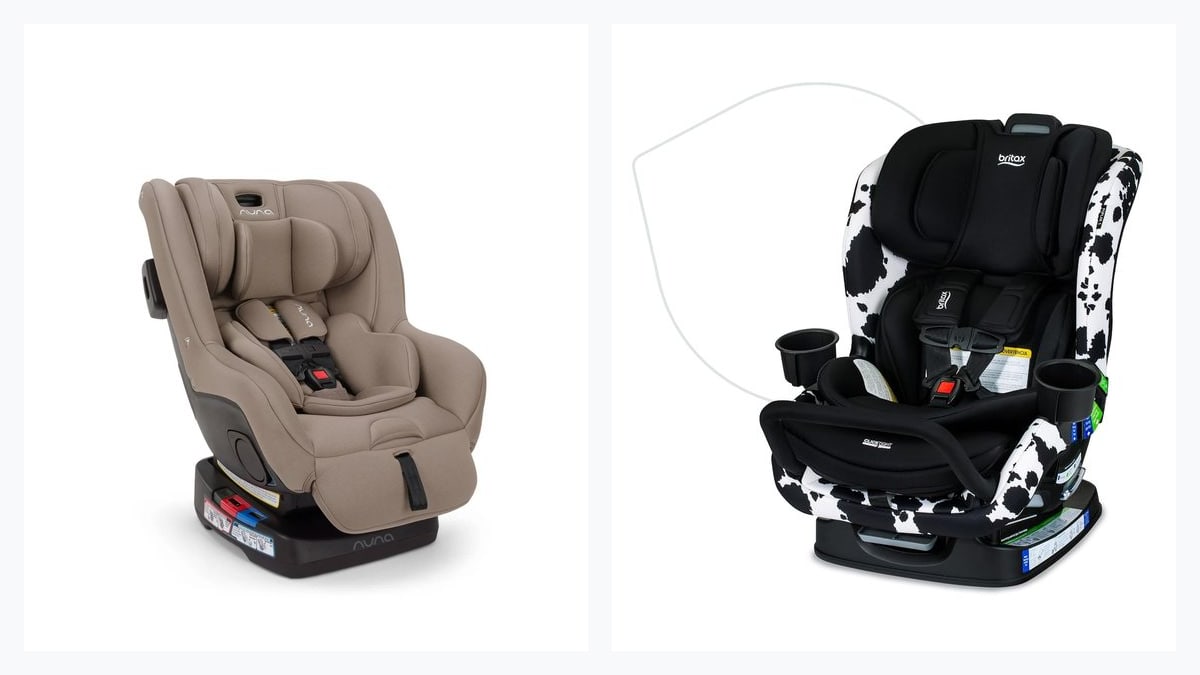
Nuna RAVA vs Britax Poplar S: Premium Convertible Compared
The Nuna RAVA and Britax Poplar S take the same child from 5 to 65 pounds on identical limits. The real differences are the installation system, a rebound bar, two inches of width, and recline range.