
Affiliate Disclosure:Kid Sitting Safe is reader-supported. When you buy through links on our site, we may earn an affiliate commission at no additional cost to you. This does not influence our reviews or recommendations — we only recommend products we genuinely believe in.
Parenting a child with special needs brings unique joys and profound challenges. The constant demands of caregiving - often 24/7 without breaks - can lead to chronic fatigue and burnout that affects every aspect of life. This comprehensive guide helps special needs parents recognize burnout warning signs, access support, and build sustainable care routines.
Understanding Special Needs Parent Fatigue
What Makes It Different
Special needs parenting involves:
- Unpredictable demands: Medical emergencies, behavioral crises
- 24/7 responsibility: No true “off” time
- Complex care routines: Medications, therapies, equipment
- System navigation: Insurance, IEPs, service coordination
- Social isolation: Different from typical parent experiences
- Grief processing: Ongoing adjustment to expectations
The unpredictability factor alone distinguishes special needs caregiving from other parenting experiences. When your child has autism and experiences sensory overload, a typical trip to the grocery store can become a crisis requiring immediate intervention. When medical equipment malfunctions at 2 AM, you cannot simply wait until morning to address it. This constant state of alertness - what researchers call “hypervigilance” - depletes your nervous system’s resources faster than typical parenting stress.
The cognitive load of special needs parenting also differs substantially. You’re not just remembering soccer practice schedules; you’re tracking medication dosages, therapy appointment times, insurance authorization deadlines, equipment maintenance schedules, and which foods trigger behavioral responses. This mental tracking never stops, creating what psychologists call “cognitive fatigue” that affects decision-making, patience, and emotional regulation.
The Statistics
Research shows:
- Special needs parents report 2-3x higher stress levels
- 50% experience clinical depression symptoms
- 40% report relationship strain
- Higher rates of physical health problems
Beyond these statistics, research published in the Journal of Developmental and Behavioral Pediatrics found that mothers of children with autism show stress hormone levels comparable to combat soldiers. Another study in Pediatrics revealed that special needs parents lose an average of 2-3 hours of sleep per night compared to typical parents, creating a sleep debt that accumulates to dangerous levels over months and years.
Financial stress compounds these challenges. Families with special needs children spend an average of $30,000 more annually than typical families on medical care, therapies, specialized equipment like adaptive car seats, and educational services. Many parents reduce work hours or leave jobs entirely to manage care demands, creating both financial strain and loss of professional identity that can contribute to depression and anxiety.
The isolation factor deserves special attention. While typical parents bond over shared experiences at playgrounds and school events, special needs parents often find themselves explaining behaviors, managing stares, or avoiding situations where their child might struggle. Even routine outings like travelling with kids require extra planning and energy. This social isolation increases depression risk and removes the natural support systems that help buffer stress.
Recognizing Burnout Signs
Physical Symptoms

Chronic Exhaustion:
- Not relieved by sleep
- Heavy limbs, difficulty moving
- Frequent illness
- Unexplained aches and pains
Chronic exhaustion from caregiving burnout differs from normal tiredness. You might sleep seven hours yet wake feeling as depleted as if you hadn’t slept at all. Your body feels weighted down, as though moving through thick water. This reflects adrenal fatigue - your stress response system has been activated so continuously that it begins to malfunction.
Frequent illness occurs because chronic stress suppresses immune function. Special needs parents report more frequent colds, infections, and slow wound healing. The stress hormone cortisol, when elevated continuously, reduces your body’s ability to fight off illness. Some parents notice they get sick during rare respite breaks - their body finally relaxes enough for suppressed illness to emerge.
Sleep Disturbances:
- Trouble falling asleep
- Waking frequently
- Nightmares about caregiving
- Sleeping too much or too little
Sleep disturbances in burned-out caregivers often follow patterns. You might struggle to fall asleep despite exhaustion because your nervous system remains in “alert mode.” Some parents describe lying in bed mentally reviewing whether they gave all medications, signed permission slips, or scheduled necessary appointments. Others wake repeatedly checking on their child, even when monitoring equipment provides alerts.
Nightmares about caregiving situations - your child eloping, medical emergencies you cannot prevent, or losing services your family depends on - reflect the trauma accumulation that occurs with chronic stress. These dreams process the daily fears you manage while awake.
Additional Physical Symptoms:
- Tension headaches or migraines
- Digestive problems
- Rapid heart rate or chest tightness
- Changes in appetite
- Muscle tension, particularly neck and shoulders
- Dizziness or feeling faint
Emotional Signs
Mood Changes:
- Persistent sadness
- Increased irritability
- Feeling numb or detached
- Hopelessness about the future
Irritability in burnout manifests as a shortened fuse - situations that once required mild frustration now trigger intense reactions. You might find yourself snapping at your partner over minor issues, or feeling rage when your child spills something that typically wouldn’t bother you. This reflects depleted emotional reserves; you have no buffer remaining for normal frustrations.
The numbness or detachment represents a psychological protection mechanism. When feeling everything becomes too overwhelming, your mind creates distance from emotions. You might go through caregiving motions mechanically, or find yourself watching situations as though from outside your body. While this helps you function temporarily, it signals dangerous depletion levels.
Hopelessness about the future particularly affects parents whose children have progressive conditions or whose care needs increase rather than decrease over time. When you cannot envision improvement or relief, maintaining motivation becomes extraordinarily difficult.
Mental State:
- Difficulty concentrating
- Memory problems
- Negative self-talk
- Loss of enjoyment
Cognitive symptoms of burnout can be frightening. You might forget appointments you previously tracked easily, lose your train of thought mid-sentence, or struggle to follow conversations. This “brain fog” results from chronic stress affecting the hippocampus, your brain’s memory center. One parent described repeatedly driving past her intended exit because her exhausted brain simply couldn’t process the decision to turn.
Negative self-talk intensifies with burnout. You might catch yourself thinking “I’m a terrible parent,” “I can’t do anything right,” or “My child would be better off with someone else.” These thoughts don’t reflect reality but rather the distorted thinking that accompanies depression and exhaustion.
Additional Emotional Indicators:
- Increased anxiety or panic attacks
- Crying more easily
- Feeling overwhelmed by routine tasks
- Loss of patience with medical/educational systems
- Resentment toward your child (often accompanied by guilt)
Behavioral Indicators
Withdrawal:
- Avoiding friends and family
- Stopping hobbies
- Isolating at home
- Declining social invitations
Withdrawal often begins gradually. You decline one invitation because you’re too tired, then another because explaining your situation feels exhausting. Eventually, people stop inviting you, and isolation becomes self-perpetuating. Some parents describe feeling they have nothing to contribute to conversations anymore - their entire identity has become “special needs parent,” leaving little to discuss beyond therapies and medical appointments.
Coping Mechanisms:
- Increased alcohol or medication use
- Overeating or undereating
- Excessive screen time
- Compulsive behaviors
Unhealthy coping mechanisms develop when healthy ones feel inaccessible. If you cannot take a walk, cannot attend therapy, and cannot get enough sleep, you might turn to wine after your child sleeps, or scroll social media for hours seeking temporary escape. These behaviors provide immediate relief but worsen burnout long-term.
Food relationships often change with caregiver burnout. Some parents stop eating properly because preparing meals feels like another burden. Others eat constantly seeking comfort, particularly high-sugar, high-fat foods that provide temporary mood boosts through dopamine release.
Additional Behavioral Changes:
- Neglecting personal hygiene
- Abandoning medical/dental care for yourself
- Making more mistakes in caregiving tasks
- Increased conflict with medical providers or schools
- Canceling your own appointments to accommodate child’s needs
The Physiology of Caregiver Burnout
Understanding what happens in your body during chronic stress helps contextualize your experience and reduces self-blame.
The Stress Response System
When you experience stress, your hypothalamic-pituitary-adrenal (HPA) axis activates, releasing cortisol and adrenaline. These hormones increase heart rate, sharpen focus, and prepare you to handle threats - the “fight or flight” response. This system evolved for short-term dangers, not chronic ongoing stress.
With continuous activation, this system becomes dysregulated. Cortisol levels may remain chronically elevated or, paradoxically, become too low as your adrenal glands become exhausted. Either pattern creates problems: high cortisol suppresses immune function and disrupts sleep, while low cortisol causes profound fatigue and difficulty responding to additional stress.
Neurological Changes
Chronic stress physically changes brain structure. The amygdala, your brain’s fear and emotion center, becomes overactive and enlarged. Meanwhile, the prefrontal cortex - responsible for decision-making, emotional regulation, and problem-solving - shows decreased activity and can actually shrink with prolonged stress.
This explains why burned-out caregivers struggle with decisions that previously felt manageable, experience heightened emotional reactions, and have difficulty regulating responses. You’re not weak or failing; your brain has been physiologically altered by sustained stress.
Inflammation and Health Impact
Chronic stress increases systemic inflammation throughout the body. This contributes to the development of autoimmune conditions, cardiovascular disease, digestive disorders, and chronic pain - all more common in long-term caregivers. Special needs parents show biomarkers of accelerated aging, with cellular changes typically seen in people 10-15 years older.
Understanding these biological realities helps remove shame. Your exhaustion, illness, and emotional struggles reflect legitimate physiological changes, not personal weakness.
Finding Respite Care
Government Programs
Medicaid Waivers:
- Include respite hours
- Vary by state
- Contact local disability services
- May have waitlists
Medicaid waiver programs provide the most comprehensive respite benefits for many families, but navigating them requires persistence. Each state administers waivers differently, with varying names, eligibility requirements, and benefit packages. Some states offer home and community-based services (HCBS) waivers specifically for children with disabilities, while others have broader programs.
The application process typically requires extensive documentation of your child’s disabilities and care needs. Prepare medical records, therapy evaluations, IEP documents, and daily care logs. Some states require assessments by their own evaluators before approval. Waitlists can stretch years in some locations, so apply even if you don’t immediately need services - your spot on the waitlist preserves future access.
Once approved, respite hours might range from 8 to 300 hours annually, depending on your state and your child’s assessed needs. You can typically use these hours for trained caregivers to stay with your child while you rest, run errands, or simply leave the house.
State Programs:
- Family support services
- Respite vouchers
- Contact Area Agency on Aging
- Ask about eligibility
Beyond Medicaid waivers, many states fund separate family support programs. These might offer respite vouchers, cash subsidies for disability-related expenses, or direct respite services. Contact your state’s developmental disabilities agency, which may be called Department of Developmental Services, Division of Developmental Disabilities, or similar names.
Some states offer “flex funds” or family support stipends that can be used for various needs including respite care. While amounts are typically modest ($500-$3,000 annually), they provide flexibility to hire help that fits your family’s specific needs.
ARCH National Respite Network:
The ARCH National Respite Network maintains a locator tool helping families find respite resources by state. Their website provides state-by-state information about government programs, eligibility requirements, and application processes. They also offer guidance on developing respite care plans and training potential caregivers.
Private Respite Options
Agency Respite:
- Trained caregivers
- Moderate hourly rates
- Specialized for special needs
- Background checked
Private respite agencies provide caregivers specifically trained in special needs care. Rates vary by location and caregiver qualifications, with higher rates for nurses or therapists who can provide medical care. While expensive, agency caregivers offer peace of mind through background checks, training verification, and often liability insurance.
When selecting an agency, ask about:
- Specific training in your child’s disability
- Experience with behaviors your child exhibits
- Background check processes
- Whether the same caregiver can be assigned regularly
- Emergency backup if scheduled caregiver cannot come
- What tasks caregivers can and cannot perform
Request to meet potential caregivers before leaving your child in their care. A compatibility match matters as much as qualifications.
Care.com and Similar Platforms:
Online care-finding platforms connect families with individual caregivers at lower costs than agencies, typically at lower hourly rates than agencies. Our guide to finding a babysitter covers the full vetting process. However, you assume responsibility for background checks, reference verification, and training. Many special needs parents successfully find caregivers this way, particularly college students majoring in special education, nursing, or therapy fields who want practical experience.
Create a detailed profile explaining your child’s needs, required skills, and care routine specifics. Be explicit about challenging behaviors or medical needs to ensure applicants understand the role. Consider starting with short trial periods while you remain home to assess compatibility.
Insurance Coverage:
- Some employer plans include
- Ask about special needs benefits
- May require documentation
- Pre-authorization often needed
Some private insurance plans, particularly premium employer-provided plans, include respite care benefits. Review your Summary of Benefits or call your insurance directly asking specifically about:
- Respite care coverage
- Home health aide benefits
- Behavioral health services that might include respite
- Flexible Spending Account (FSA) or Health Savings Account (HSA) eligibility for respite costs
Even when not explicitly covered, some families successfully appeal denials by documenting that respite care prevents parental burnout that would otherwise require mental health treatment - positioning respite as preventive care.
Community Resources
Church/Community Groups:
- Special needs respite nights
- Volunteer caregivers
- Parent date night programs
- Often free or low-cost
Many churches and community organizations offer special needs ministry programs including monthly or quarterly respite events. Volunteers receive basic training, and staff often include nurses or special education professionals. These events typically last 3-4 hours, providing parents a window for errands, rest, or couple time.
National organizations like Nathaniel’s Hope, Special Needs Ministry, and Joni and Friends help churches develop these programs. Search for participating churches in your area, or approach your own congregation about starting a program.
University Programs:
- Therapy student training
- Supervised care
- Reduced cost
- Research opportunities
Universities with special education, nursing, occupational therapy, physical therapy, or speech-language pathology programs often need practicum sites where students gain experience. Some offer family support services where students provide care under faculty supervision, typically free or at reduced cost.
Contact department heads explaining your child’s needs and asking whether their program offers family support services. You might also participate in research studies that include respite components - students or researchers work with your child while collecting data, giving you break time.
Family and Friends
Training Approach:
- Start with short periods
- Provide detailed instructions
- Stay nearby initially
- Build confidence gradually
Successfully involving family and friends requires patience and planning. Create detailed care instructions covering:
- Typical daily schedule
- Medication administration (if appropriate to delegate)
- Communication methods if nonverbal
- Behavioral triggers and calming strategies
- Emergency contact information
- What constitutes an emergency requiring immediate contact
Start with one-hour periods while you remain home but in another room. Gradually extend time and distance as both caregiver and child build confidence. Some parents create video demonstrations of care routines, making training easier and providing reference materials.
Specific Tasks:
- Match to abilities
- Simple routines first
- Clear emergency protocols
- Gratitude and feedback
Not everyone needs to handle all care aspects. Grandparents comfortable with physical care but nervous about behaviors might supervise during screen time or nap periods. Friends who cannot manage behavioral challenges might take your other children for activities, still providing you respite.
Be explicit about what you need: “I need two hours this Saturday to rest. Could you stay with Jamie from 10-12 while he watches movies? He’ll need a snack around 11, and I’ll have everything prepared. I’ll be upstairs if you need me.” This specificity makes helping easier and increases follow-through.
Building a Respite Network:
Rather than relying on one person, develop a small network of helpers each contributing what they can. One friend might provide two hours monthly, a family member might take your child one Sunday afternoon quarterly, a neighbor might watch for 30 minutes while you shower. Combined, these create meaningful relief without overburdening anyone.
Self-Care Strategies
Micro-Self-Care (5-15 minutes)

Quick Practices:
- Deep breathing (4-7-8 technique)
- Stretching while child watches show
- Stepping outside for fresh air
- Drinking tea in silence
- Listening to one song with full attention
The 4-7-8 breathing technique, developed by Dr. Andrew Weil, provides rapid nervous system calming. Inhale through your nose for 4 counts, hold for 7 counts, exhale through your mouth for 8 counts. Repeat 4 times. This activates your parasympathetic nervous system, countering the stress response. You can practice while your child eats, plays, or during therapy appointments.
Morning sunlight exposure, even just 5-10 minutes, helps regulate circadian rhythms disrupted by poor sleep. Step outside with your morning coffee, or sit near a window. Natural light exposure improves both nighttime sleep quality and daytime alertness.
Why They Work:
- Cumulative benefits
- Fit unpredictable schedules
- Prevent total depletion
- Build resilience over time
Micro-self-care practices activate the same stress-reduction pathways as longer practices but fit realistically into fractured schedules. Research shows that brief, frequent practices can be more beneficial than occasional longer sessions when dealing with chronic stress. They prevent complete depletion rather than waiting until crisis forces longer recovery.
The key is consistency over duration. Five minutes of breathing practice daily provides more benefit than a monthly hour-long massage. Track these moments - some parents set phone reminders or use apps that prompt brief practices throughout the day.
Additional Micro-Practices:
- Splash cold water on your face (activates the mammalian dive reflex, immediately calming your nervous system)
- Progressive muscle relaxation of just hands and shoulders
- Looking at calming images or photos that bring joy
- Humming or singing (vibration calms the vagus nerve)
- Mindful eating of one small piece of chocolate or fruit
- Five-minute journaling - just three sentences about your day
Sleep Prioritization
Strategies:
- Nap when child naps (if possible)
- Go to bed earlier
- Trade night duties with partner
- Consider overnight respite
- Create sleep-friendly environment
Sleep deprivation profoundly affects every aspect of functioning. Prioritizing sleep isn’t indulgent; it’s essential for sustainable caregiving. If your child naps, use that time for sleep yourself at least twice weekly rather than catching up on chores. Household tasks can wait; your health cannot.
If you have a partner, create a night duty schedule so each person gets uninterrupted sleep some nights. Perhaps one parent handles Sunday-Tuesday nights, the other Wednesday-Saturday, with Saturday negotiable. Knowing you have scheduled “off” nights helps you endure the “on” nights.
Overnight respite care - whether through Medicaid waiver programs, private agencies, or trained family members - can be transformative. Even one full night of uninterrupted sleep monthly significantly impacts daytime functioning. Some parents initially feel guilty using overnight respite, but consistently sacrificing sleep damages your health in ways that ultimately harm your child’s care quality.
Sleep Hygiene:
- Consistent bedtime routine
- Cool, dark room
- Limit screens before bed
- White noise if helpful
- Comfortable bedding
Implement the same sleep hygiene strategies you likely use for your child. Blackout curtains, white noise machines, and comfortable room temperature (around 65-68°F) improve sleep quality. Ensuring a safe environment so you can truly rest is also vital - review our child safety at home checklist to reduce nighttime worries. Remove screens from the bedroom - the blue light suppresses melatonin, making sleep more difficult.
Consider weighted blankets, which provide deep pressure stimulation that calms the nervous system. Models like those designed for anxiety relief can help caregivers achieve deeper, more restorative sleep. Some parents find magnesium supplements (particularly magnesium glycinate) helpful for sleep quality - consult your doctor before starting supplements. Addressing Racing Thoughts:
Many caregivers struggle with minds that won’t stop reviewing care tasks, worrying about the future, or replaying difficult moments. Keep a notepad beside your bed to immediately write down urgent thoughts, promising yourself you’ll address them tomorrow. This “thought download” helps your mind release the monitoring function.
Meditation apps like Headspace offer sleep-specific content, including “sleep casts” - narrated stories designed to occupy your mind with neutral content until you drift off. Some parents find this more effective than silence, which allows worries to dominate.
Physical Movement
Accessible Options:
- 10-minute home workout videos
- Walking during child’s therapy
- Yoga while they play
- Stairs instead of elevator
- Dance party with kids
Physical movement provides one of the most effective stress-reduction methods available. Exercise reduces cortisol, increases endorphins, improves sleep quality, and enhances mood regulation. Yet finding time for exercise as a special needs parent feels nearly impossible.
Reframe exercise as any movement, not requiring gyms or specific duration. Ten minutes of movement provides measurable benefits. YouTube offers countless 10-minute workout videos requiring no equipment - search for “10-minute HIIT,” “quick yoga flow,” or “bodyweight workout.” Do these while your child watches a show, or include your child for movement breaks.
During your child’s therapy sessions, use waiting time for walking - around the building, in hallways, or nearby neighborhoods. This converts otherwise “empty” time into self-care without requiring additional schedule space. Benefits:
- Stress hormone reduction
- Energy improvement
- Mood enhancement
- Better sleep
- Physical health maintenance
Regular movement, even at modest levels, reduces anxiety and depression as effectively as many medications for mild-to-moderate symptoms. Physical activity increases brain-derived neurotrophic factor (BDNF), which supports new neural connections and cognitive function - particularly important when stress has impaired these areas.
Counter-intuitively, exercise increases energy. While you might feel too exhausted to move, physical activity actually combats fatigue by improving cardiovascular efficiency, increasing oxygen delivery to tissues, and regulating energy-related hormones. Start with just five minutes if longer periods feel impossible - often you’ll find energy increases once you begin.
Incorporating Your Child:
If finding childcare for exercise feels impossible, incorporate your child. Dance parties provide cardiovascular exercise while your child participates or watches. Some parents do yoga with sensory-seeking children climbing on them - it’s not traditional yoga, but it provides movement and connection. Others walk with children who need movement for regulation, meeting both needs simultaneously.
For children who cannot walk, pushing adaptive strollers or wheelchairs provides strength training and cardiovascular benefits. One parent described doing squats and lunges while pushing her daughter’s wheelchair, turning necessary transportation into exercise.
Connection and Support
Support Groups:
- Online communities (24/7)
- Local parent groups
- Condition-specific groups
- Mixed disability groups
Connection with other special needs parents provides validation impossible to find elsewhere. They understand without lengthy explanations. They don’t offer the toxic positivity or comparison that can characterize interactions with typical parents. They’ve experienced the same system battles, grief cycles, and daily frustrations.
Online communities offer accessibility advantages - you can participate at 2 AM during sleepless nights, or grab five minutes during therapy appointments. Facebook groups exist for nearly every condition, connecting you with thousands of families facing similar challenges. Reddit communities like r/specialneedsparenting provide anonymity that encourages honest sharing.
Local support groups offer face-to-face connection and local resource sharing. Ask your child’s therapists, school, or developmental pediatrician for recommendations. Parent Training and Information Centers (PTIs), federally funded in every state, maintain lists of local support groups and often facilitate groups themselves.
Professional Support:
- Individual therapy
- Couples counseling
- Parent coaching
- Support group facilitation
Professional therapeutic support helps process the complex emotions of special needs parenting - grief, guilt, frustration, resentment, fear. A skilled therapist provides tools for managing stress, processing trauma, and developing sustainable coping strategies. Look for therapists with experience in caregiver burnout, disability issues, or chronic stress management.
Couples therapy addresses the relationship strain statistics show affects 40% of special needs families. Coordinating care, managing different coping styles, and maintaining romantic connection while exhausted requires deliberate effort and often professional guidance. Many couples report that therapy prevented relationship dissolution during particularly difficult periods.
Parent coaching, distinct from therapy, focuses on practical strategy development - creating routines, managing behaviors, navigating systems. Some coaches specialize in special needs families, offering guidance on specific challenges like IEP advocacy or transitioning to adult services.
Finding Your People:
Not all support groups fit every person. Some parents prefer condition-specific groups where everyone deeply understands their particular challenges - autism groups, Down syndrome groups, cerebral palsy groups. Others prefer mixed disability groups, appreciating broader perspectives and avoiding condition-specific competitive dynamics that sometimes develop.
Try several groups before deciding none work for you. Group culture varies significantly. Some focus on practical advice, others on emotional support, some on advocacy and systems change. Finding your fit might require sampling multiple options.
The Grief Cycle in Special Needs Parenting
Acknowledging Ongoing Grief
Special needs parents experience grief that differs from typical bereavement. It’s not one loss but ongoing losses - the child you envisioned, typical milestones, spontaneous outings, easy social connections, and sometimes, as children age, increasing independence. This grief resurfaces at specific trigger points: birthdays when developmental gaps become more apparent, school transitions, or watching typical peers achieve milestones your child may never reach.
Permission to grieve these losses doesn’t reflect lack of love for your actual child. You can simultaneously deeply love your child while grieving the experiences you’ll never have. This both/and reality confuses many parents, creating guilt about grief that compounds suffering.
Trigger Points and Recurring Waves
Grief in special needs parenting arrives in waves triggered by specific events:
- Other children’s milestone celebrations
- Denied services or medical treatments
- Diagnosis anniversaries
- Planning discussions about adult care and long-term needs
- Behavioral setbacks after progress
- Social situations highlighting differences
Recognizing these patterns helps you anticipate difficult periods and arrange extra support. If you know back-to-school season triggers grief watching typical children transition smoothly while your child struggles, schedule therapy appointments, respite care, or connection with understanding friends during that period.
Processing Without Shame
Many parents feel they must remain perpetually positive, suppressing grief and frustration. This emotional suppression intensifies burnout. Grief needs acknowledgment and processing to move through you rather than building up internally.
Therapy provides structured space for grief work. Journaling allows private expression. Some parents find creative outlets - art, music, writing - help process emotions too complex for words. Others need physical grief expression - allowing themselves to cry fully, scream into pillows, or engage in vigorous exercise that releases built-up emotion.
Asking for and Accepting Help
Making Specific Requests
Be Clear About Needs:
- Specific tasks, not vague help
- Match to person’s strengths
- Provide instructions
- Express gratitude
“Let me know if you need anything” represents a genuine offer that rarely converts to actual help because it requires you to think of tasks, match them to the person, ask explicitly, and risk rejection. Remove these barriers by making specific, actionable requests.
Instead of “We could use some help,” try “We need meals this week because Jamie’s been in the hospital. Could you drop off a casserole Wednesday?” This makes helping easy - the person knows exactly what’s needed, when, and whether they can fulfill it.
Examples:
- “Could you pick up groceries Tuesday?” (provide a list)
- “Would you spend an hour with Sam Saturday morning?” (between 10-11, while I rest)
- “Can you research summer camps for kids with autism?” (send me three options with dates and costs)
Notice each request specifies timing, duration, and exactly what’s needed. Some parents keep a running “help needed” list, making it easier to respond when people offer assistance.
Creating a “Help Menu”:
Develop a written list of specific tasks people could help with, ranging from small (30-minute commitments) to large (several hours). When someone offers help, you can immediately consult your menu rather than scrambling to think of something:
Small tasks (30-60 minutes):
- Pick up prescriptions
- Entertain sibling while I attend appointment
- Drop off dinner
- Grocery shop from provided list
Medium tasks (2-3 hours):
- Stay with child while I attend therapy appointment
- Take sibling to activity
- Research service providers
- Organize medical paperwork
Large tasks (half-day or more):
- Watch child so we can have date night
- Help with deep cleaning
- Accompany us to difficult medical appointment
- Organize fundraiser for equipment needs
Overcoming Barriers
Common Hurdles:
- Feeling like a burden
- Believing you should handle it
- Previous help that wasn’t helpful
- Pride and independence
The “I should handle this alone” belief reflects cultural messaging about parenting and independence that doesn’t account for special needs caregiving realities. You’re not managing typical parenting plus some extra challenges; you’re managing what often equals a full-time nursing, therapy, and case management job while also parenting. No one successfully does all that alone.
When previous help felt unhelpful or created more work, you learned to avoid asking. Address this by being extremely specific about what you need and providing detailed instructions. If someone’s “help” with your child created behavioral setbacks requiring days to recover, don’t ask them to provide direct care - ask them to do grocery shopping instead.
Reframing:
- People want to help
- You’re creating connection
- It takes a village
- Help preserves your caregiving
Research shows that helping others increases the helper’s happiness and life satisfaction. By accepting help, you’re providing others the gift of meaningful contribution. You’re also modeling for your children that asking for help represents strength, not weakness - a lesson that will serve them throughout life.
Many cultures and throughout most of human history understood that raising children, especially children with extra needs, requires community involvement. The modern expectation that parents handle everything independently represents a historical anomaly, not a standard you’re failing to meet.
Creating Support Systems
Care Calendar:
- Online scheduling tools
- Specific tasks listed
- People sign up
- Reduces awkward asking
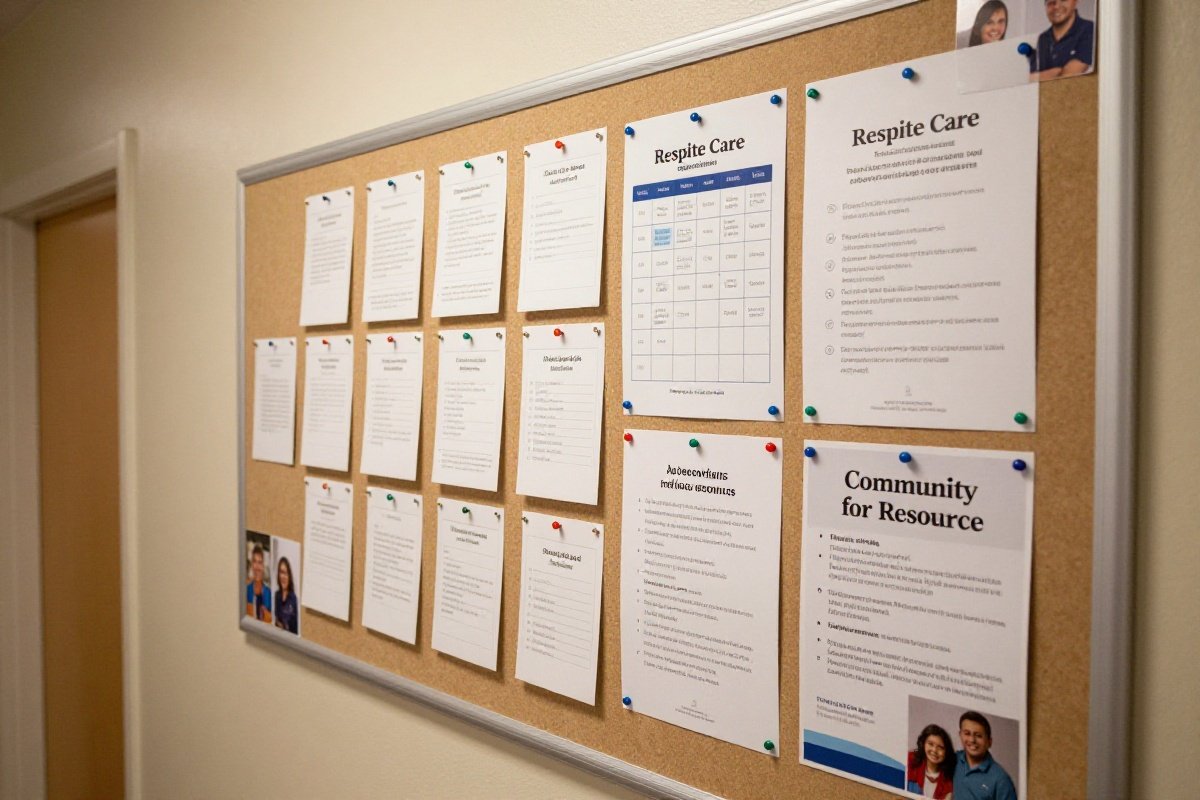
Online tools like Meal Train, Care Calendar, or SignUpGenius allow you to post specific needs with dates/times, and helpers sign up for what works for them. This removes the awkwardness of repeated asking and allows you to see when needs are covered versus gaps requiring other solutions.
Post needs regularly, even small ones. People often want to help but don’t know what’s needed or when. A visible calendar with specific needs converts vague desire to help into concrete action.
Building Your Team:
- Identify various helpers
- Different roles for different people
- Regular check-ins
- Mutual support networks
Think strategically about your support network. Who excels at what? Who lives nearby for emergency help? Who can be reached at 2 AM during a crisis? Who has transportation for medical appointments? Who can research service providers online?
Match people to their strengths. Your detail-oriented friend might excel at insurance appeals but not at behavioral management. Your calm, flexible neighbor might be perfect for emergency backup care but not for organizing medical records.
Maintain these relationships intentionally. Send updates about your child’s progress, expressing gratitude for specific help. When helpers know the impact of their contribution, they’re more likely to continue offering support.
Creating Reciprocal Support:
Some parents feel more comfortable with reciprocal support networks rather than one-directional help. Form care co-ops with other special needs families where you trade childcare services. While you’re caring for two or three special needs children simultaneously a few hours monthly, your child receives care that’s already been “paid for” through your reciprocal service.
Parent support groups can formalize mutual aid systems where members trade respite care, share resources, accompany each other to difficult appointments, or simply check in on each other regularly. These structures feel less like “taking help” and more like mutual community support.
Further Reading
- Baby on a Budget: Pregnancy Prep Cost-Saving Strategies
- How to Find a Babysitter: Complete Guide to Hiring Childcare
- Parenting Styles 101: Authoritative, Authoritarian, Permissive & Uninvolved Explained
Professional Mental Health Support
When to Seek Help
Warning Signs:
- Symptoms persist 2+ weeks
- Interfere with daily functioning
- Thoughts of self-harm
- Severe anxiety or depression
- Substance use to cope
The two-week guideline helps distinguish temporary stress reactions from clinical depression or anxiety disorders requiring professional intervention. Everyone has difficult days or weeks, but when symptoms persist beyond two weeks despite rest and self-care efforts, professional help becomes important.
“Interfering with daily functioning” might mean you’re struggling to complete basic caregiving tasks, having difficulty getting out of bed, missing appointments, or neglecting your other children. Functioning interference doesn’t require complete inability to function - even significant difficulty warrants professional support.
Thoughts of self-harm or harming others, even fleeting thoughts, require immediate professional intervention. Call the National Suicide Prevention Lifeline (988), your doctor, a therapist, or go to an emergency room. These thoughts reflect dangerous depression levels or burnout that cannot be managed alone.
Additional Indicators:
- Feeling overwhelmed most of the time
- Panic attacks or severe anxiety
- Significant relationship deterioration
- Relying on substances to cope with daily stress
- Feeling detached from your child
- No longer finding joy in anything
Types of Support
Individual Therapy:
- Process experience
- Build coping skills
- Address trauma/grief
- Develop self-compassion
Individual therapy provides confidential space to explore your experience without judgment. A skilled therapist helps you process complex emotions - grief for losses, guilt about feelings, frustration with systems, fear about the future, and sometimes resentment toward your child (a common, deeply shame-producing feeling that needs professional help to address).
Cognitive-behavioral therapy (CBT) effectively addresses the distorted thinking patterns that accompany burnout and depression. Therapists help you identify catastrophic thinking, all-or-nothing thinking, and personalization, developing more balanced perspectives.
Trauma-focused therapies like EMDR (Eye Movement Desensitization and Reprocessing) help when you’ve experienced specific traumatic events - medical emergencies, terrifying behaviors, or accumulated smaller traumas that create post-traumatic stress symptoms.
Couples Counseling:
- Address relationship strain
- Improve communication
- Coordinate care strategies
- Maintain partnership
Special needs parenting creates unique relationship challenges. Different coping styles - one partner researches obsessively while the other avoids information; one seeks support while the other isolates; one focuses on the child with special needs while the other focuses on siblings - can create conflict and distance.
Couples therapy helps partners understand each other’s different processing styles
Recommended Products
The Self-Care Solution Book
Best caregiver self-care bookPractical guide for caregiver wellness.
What We Like
- Practical self-care strategies
- Written for caregivers
- Evidence-based approaches
- Quick daily exercises
What We Don't
- Some content may feel generic
- Requires time commitment
Fitbit Charge 5
Best health trackerMonitor health metrics affecting fatigue.
What We Like
- Sleep tracking
- Stress monitoring
- Activity tracking
- Health insights
What We Don't
- Pricey for tracker
- Requires charging
Weighted Blanket
Best sleep aidBetter sleep reduces daytime fatigue.
What We Like
- Improves sleep quality
- Reduces anxiety
- Deep pressure therapy
- Various weights available
What We Don't
- Heavy to move
- Not for young children
Continue Reading
Explore more parenting guides content or browse our other categories.
Frequently Asked Questions
- What are the signs of caregiver burnout in special needs parents?
- Caregiver burnout manifests through physical, emotional, and behavioral symptoms that extend beyond normal tiredness. Physical signs include chronic fatigue that doesn't improve with rest, frequent illness due to lowered immunity, headaches, body aches, changes in appetite or weight, and sleep disturbances. Emotional signs encompass feelings of hopelessness or helplessness, persistent sadness or depression, increased irritability or anger, loss of interest in activities you once enjoyed, feeling numb or detached, and anxiety about the future. Behavioral indicators include withdrawing from friends and family, neglecting your own needs, increased use of alcohol or medications to cope, difficulty concentrating, making mistakes in care routines, and resentment toward your child or others. Cognitive signs include trouble making decisions, memory problems, and negative self-talk. Special needs parents are at particular risk because their caregiving demands are often 24/7 without breaks, their child's needs may be unpredictable or crisis-driven, they may feel isolated from typical parent support networks, financial stress is often greater, and they may grieve the loss of the parenting experience they expected. Recognizing these signs early is crucial - burnout doesn't resolve on its own and can lead to serious mental health consequences if unaddressed.
- How can special needs parents find respite care?
- Finding respite care requires persistence and creativity, but multiple resources exist. Start with your child's service providers - ask their therapist, doctor, or social worker about respite programs they recommend. Many states offer Medicaid waiver programs that include respite hours for qualifying families; contact your local disability services office or Area Agency on Aging. Private respite agencies provide trained caregivers specifically for children with special needs - expect to pay $15-35/hour depending on your location and child's needs. Some insurance plans, particularly those through employers with special needs benefits, may cover respite care. Ask about this specifically. Family and friends can be trained to provide care - even if they can't handle complex medical needs, they might manage your child for a few hours while you rest nearby. Specialized training programs can help them learn your child's routines. Parent support groups, both local and online, often share respite resources and may even arrange care exchanges with other special needs families who understand your situation. Some churches and community organizations offer respite nights specifically for special needs families. Universities with special education or therapy programs sometimes need children for student training - this can provide supervised care at reduced cost. Don't give up if the first few attempts don't work - finding the right respite solution takes time but is essential for sustainable caregiving.
- What self-care strategies work for special needs parents?
- Effective self-care for special needs parents must be realistic given time constraints and unpredictable schedules. Micro-self-care - practices that take 5-15 minutes - can be integrated into demanding days: deep breathing exercises during medical equipment alarms, stretching while your child watches a show, or enjoying a cup of tea in silence. These small moments accumulate and prevent complete depletion. Sleep prioritization is critical - sleep deprivation exacerbates all burnout symptoms. If nighttime sleep is interrupted by your child's needs, try to nap when they do, go to bed earlier, or trade off nighttime duties with your partner. Consider hiring overnight respite if sleep deprivation is severe. Connection with others who understand prevents isolation. Online support groups for your child's specific condition provide 24/7 understanding. Local special needs parent groups offer both emotional support and practical resource sharing. Physical movement, even brief walks or home exercise videos, reduces stress hormones and improves energy. Don't aim for gym memberships you can't use - find movement you can do at home in 10-minute increments. Professional support through therapy provides space to process grief, frustration, and anxiety without burdening family. Many therapists now offer telehealth, making it more accessible for parents with limited childcare. Finally, practice self-compassion - you're doing incredibly hard work, and perfection is neither possible nor necessary.
- How do I ask for help as a special needs parent?
- Asking for help effectively requires specificity and letting go of the idea that you should handle everything alone. Start by identifying exactly what you need: practical help (respite care, meal delivery, transportation), emotional support (someone to listen without trying to fix things), or instrumental help (researching services, calling insurance). Specific requests are easier for people to fulfill than vague "let me know if you need anything" offers. Match the request to the person - ask someone good with paperwork to help with insurance appeals, someone who loves to cook to prepare freezer meals, or a friend who enjoys kids to spend time with your child while you shower. Many people want to help but don't know how - providing concrete options makes it easier for them to say yes. Consider creating a CareCalendar or similar service where people can sign up for specific tasks. This removes the awkwardness of repeated asking and lets people choose what they're comfortable doing. When people offer help, accept it rather than declining out of politeness or guilt. Practice saying "yes, that would be wonderful" to offers of meals, childcare, or household help. Reciprocity isn't required - focus on what you need right now. For ongoing needs, consider hiring help even if it strains the budget. Professional cleaning services, meal delivery, or respite care are investments in your ability to continue caregiving. Many special needs parents find that spending money on help preserves their health and marriage in ways that justify the cost. Finally, connect with parent mentors who have been through similar situations - they can offer both emotional support and practical guidance on navigating systems.
- When should special needs parents seek professional mental health support?
- Special needs parents should seek professional mental health support when symptoms interfere with daily functioning, persist beyond two weeks, or include thoughts of self-harm or harm to others. Specific indicators that warrant professional help: inability to sleep even when opportunity exists, persistent sadness that doesn't lift, loss of interest in all activities, intrusive thoughts about dying or self-harm, overwhelming anxiety that prevents leaving the house, inability to make basic decisions, severe irritability affecting relationships, using alcohol or substances to cope, feeling hopeless about the future, or having thoughts of abandoning your family. Don't wait until you're in crisis - preventive therapy can build coping skills before burnout becomes severe. Many special needs parents benefit from ongoing therapy to process the chronic stress, grief, and complexity of their situation. Types of support to consider: individual therapy for processing your experience and building coping skills, couples counseling to address relationship strain common in special needs families, support groups for parents of children with similar conditions, and psychiatric evaluation if symptoms suggest depression or anxiety disorders requiring medication. Finding a therapist who understands disability family dynamics is important - ask potential therapists about their experience with special needs families. Telehealth has made therapy more accessible for parents with limited childcare. Some insurance plans and Medicaid programs cover mental health services. Employee Assistance Programs (EAPs) often provide free short-term counseling. If cost is a barrier, look for therapists with sliding scale fees, university training clinics, or community mental health centers. Remember that seeking help is a sign of strength and commitment to your family's wellbeing, not weakness or failure.
Written By
Kid Sitting Safe
Our team researches car seat safety standards, crash test data, and real-world usability to help parents make the safest choice.
Related Articles

How to Find a Babysitter: Complete Guide to Hiring Childcare
Learn how to find, vet, and hire trustworthy babysitters online. Discover the best platforms, interview questions, background checks, and safety tips for childcare.

Baby on a Budget: Pregnancy Prep Cost-Saving Strategies
Practical money-saving tips for preparing for baby without breaking the bank. Learn where to splurge, where to save, and how to get quality baby gear on a budget.

Parenting Styles 101: Authoritative, Authoritarian, Permissive & Uninvolved Explained
Understand the four parenting styles from developmental psychology. Learn how authoritative, authoritarian, permissive, and uninvolved parenting affect child development and outcomes.