
Affiliate Disclosure:Kid Sitting Safe is reader-supported. When you buy through links on our site, we may earn an affiliate commission at no additional cost to you. This does not influence our reviews or recommendations — we only recommend products we genuinely believe in.
Preparing for a new baby brings joy and excitement - but also significant expenses. The average family spends thousands of dollars in baby’s first year alone. However, with smart planning and strategic choices, you can provide everything your baby needs while keeping costs manageable. This guide covers where to splurge, where to save, and how to make the most of your baby budget.
Understanding the true cost of having a baby helps you plan effectively and avoid financial stress during an already emotional time. Many first-time parents overspend on items they rarely use while underestimating expenses for consumables like diapers and wipes. By focusing your budget on essentials and finding creative solutions for non-essentials, you can welcome your baby without breaking the bank.
New vs. Used: Making Smart Choices
The secondhand market offers tremendous savings opportunities, but safety must always come first. Understanding which items require new purchases and which are perfectly safe used helps you allocate your budget strategically while protecting your baby.
Always Buy New
Car Seats:
- Safety-critical equipment with internal components that can’t be visually inspected
- Unknown history risks including potential accidents that compromise integrity
- Expiration dates matter - typically 6-10 years from manufacture
- Recalls need tracking, and previous owners may not register products
- Safety standards evolve, making older models potentially outdated
- Proper installation instructions may be missing from used seats
When budgeting for a car seat, remember that the safest car seat is the one that fits your car, fits your baby, and that you’ll use correctly every single time. Price doesn’t equal safety - many affordable options meet or exceed safety standards. Models like the Safety 1st Grow and Go demonstrate that budget-friendly doesn’t mean compromising on protection.
Crib Mattress:
- Firmness for safe sleep reduces gradually with use
- Hygiene concerns including potential mold, dust mites, and allergens
- SIDS risk reduction requires proper firmness levels
- Relatively affordable new - quality options are budget-friendly
- Previous owners may have stored improperly, compromising structure
- Waterproofing degrades over time, leading to moisture issues
A new crib mattress is a worthwhile investment that directly impacts your baby’s safety and sleep quality. Look for breathable, hypoallergenic materials with firm edges that meet current safety standards. Many affordable options provide the same safety features as premium models.
Breast Pump (Personal):
- Internal contamination possible even in closed systems
- Insurance often covers pumps at no out-of-pocket cost
- Closed system preferred to prevent milk from entering motor
- Motor wear concerns affect suction and efficiency
- Replacement parts may cost more than insurance-covered new pump
- Warranty and customer support only available to original purchasers
Contact your insurance provider during pregnancy to understand your pump options. Most insurance plans cover a double electric pump, and many offer upgraded models for minimal additional cost. Hospital-grade rental pumps are different and designed for multiple users.
Bottles and Nipples:
- Deterioration from repeated sterilization isn’t always visible
- Proper sizing for age matters for feeding safety
- Scratches harbor bacteria even after cleaning
- Inexpensive enough to warrant new purchase
- Personal preference varies - baby may reject certain types
Baby Gates (Use Caution):
- Hardware-mounted gates should always be new
- Pressure-mounted gates may have weakened springs
- Missing hardware compromises safety
- Recall history essential to verify
- Proper installation requires original instructions
Safe to Buy Used
Clothing:
- Worn briefly, often like new or with tags still attached
- Consignment stores offer curated selections
- Hand-me-downs welcome from trusted sources
- Seasonal clearance provides next-year savings
- Babies outgrow clothes before wearing out
- Easy to inspect for damage, stains, or missing buttons
Build relationships with parents of slightly older children. Many are eager to pass along barely-worn clothing rather than storing or donating it. Organizing clothing swaps with friends creates community while saving money for everyone involved.
Strollers:
- Check recalls through CPSC website before purchasing
- Verify brakes work on all wheels
- Ensure all parts present including canopy, harness, storage basket
- Significant savings possible - premium strollers often available used at a fraction of retail
- Test folding mechanism for smooth operation
- Examine wheels for wear and proper alignment
Clean thoroughly before use, paying special attention to fabric crevices where crumbs and debris accumulate. Replacement parts for popular brands are often available if needed. Research the original retail price to gauge whether you’re getting genuine savings.
Baby Carriers:
- Check for wear particularly at stress points and buckles
- Verify all buckles function smoothly and lock securely
- Long lifespans with minimal wear under normal use
- Quality brands affordable secondhand - Ergobaby, Tula, Boba
- Wash before use according to manufacturer instructions
- Verify age/weight limits marked on carrier
Structured carriers generally hold up better in the secondhand market than soft wraps. Look for carriers that support baby’s hips in the recommended M-position. Try before buying if possible to ensure comfort for your body type.
Furniture:
- Dressers and changing tables provide excellent value used
- Gliders and rockers especially worthwhile secondhand
- Bookshelves and toy storage essentially ageless
- Verify stability - no wobbling or loose joints
- Sand and repaint if desired for personalization
- Inspect for sharp edges, loose hardware, or damage
Solid wood furniture outlasts particleboard and can be refinished. Check drawers for smooth operation and proper stops to prevent pulling out completely. Ensure changing table toppers are secured properly if purchasing separately.
High Chairs:
- Inspect for cracks, especially in plastic models
- Verify tray releases properly and locks securely
- Check that harness straps aren’t frayed
- Clean thoroughly - food residue hides in crevices
- Ensure footrest adjusts properly if applicable
- Confirm stability with tray attached and detached
Simple designs without excessive padding or parts are easier to clean and maintain. Avoid high chairs with recalled parts or models discontinued long enough that replacement parts aren’t available.
Play Gyms and Activity Centers:
- Minimal safety concerns compared to other gear
- Verify all hanging toys attach securely
- Check for sharp edges or broken parts
- Easy to sanitize and disinfect
- Short usage period makes new purchase wasteful
- Often available at a fraction of the new retail price
These items typically see light use over just 3-6 months, making them ideal secondhand purchases. Focus on structural integrity rather than aesthetics - babies don’t care about scuffs.
Books and Toys:
- Enormous savings potential in the secondhand market
- Inspect for loose parts, sharp edges, or choking hazards
- Board books withstand toddler treatment better than paperbacks
- Check for recalls before purchasing any toys
- Wooden toys often outlast plastic alternatives
- Clean and sanitize before introducing to baby
Library resources provide access to hundreds of books without purchase. Many libraries also offer toy lending programs. Rotating toys every few weeks keeps baby engaged without constant new purchases.
Saving on Big-Ticket Items
Strategic shopping for essential expensive items makes the biggest impact on your overall baby budget. Research thoroughly, read reviews from real parents, and consider longevity when evaluating seemingly cheap options that may need early replacement.
Car Seats
Car seats represent your most important safety investment, but expensive doesn’t automatically mean safer. All car seats sold in the United States meet the same federal safety standards. Focus on correct installation, proper use, and good fit for your vehicle rather than price tag.
Budget Pick:
- Safety 1st Grow and Go: a budget-priced 3-in-1 convertible seat
- Meets all federal safety standards (FMVSS 213 compliant) without compromise
- Three modes: rear-facing, forward-facing with harness, and belt-positioning booster
- Rear-facing from 5-40 pounds accommodates most children to age 4
- Forward-facing with harness to 65 pounds extends usability
- Booster mode to 100 pounds means one seat from birth through booster age
- QuickFit Harness allows height adjustments without uninstalling
The Grow and Go proves that budget-friendly options can be completely safe. Its 3-in-1 design means you won’t need to purchase multiple seats as your child grows, making it an excellent long-term value for budget-conscious families. Mid-Range:
- Graco Extend2Fit: a solid mid-range investment
- Extended rear-facing to 50 pounds (safest position longer)
- Grows with child from 4-65 pounds
- 10-year expiration provides long usability
- Simply Safe Adjust harness adjusts from front
- Six-position recline accommodates different vehicles
- Steel-reinforced frame increases durability
Mid-range seats add convenience features worth considering if budget allows. Extended rear-facing capabilities align with AAP recommendations to keep children rear-facing as long as possible. Calculate cost-per-year of use when comparing options.
When to Consider Convertible: Convertible car seats (rear-facing then forward-facing) eliminate the need for infant bucket seats. While infant seats offer convenient snap-and-go functionality, they’re outgrown by 9-12 months. Going straight to a convertible saves significantly while meeting all safety needs.
Installation Matters Most:
- Schedule a car seat inspection appointment (most are free)
- Check for certified technicians at safercar.gov
- Using a car seat cuts fatal injury risk for infants under 1 by 71% in passenger cars (NHTSA)
- Recheck installation quarterly or after any vehicle incidents
- Read both car seat and vehicle owner’s manuals
- Register your car seat for recall notifications
Sleep Solutions
Safe sleep equipment is essential, but creative solutions can significantly reduce costs. Babies need a safe, flat sleep surface - fancy features don’t improve sleep quality or safety.
Bassinet Alternative:
- Graco Pack ‘n Play: budget-friendly and versatile
- Combines bassinet and play yard functionality
- Portable for travel or moving between rooms
- Long usable life - newborn through toddler years
- Newborn napper attachment for early months
- Converts to play space as baby grows
- Folds for storage or travel
- Saves significantly compared to buying bassinet and play yard separately
Pack ‘n Plays offer excellent value because they serve multiple purposes over several years. The bassinet attachment works for nighttime sleep during the newborn stage. Later, it becomes a safe play area or portable crib for travel. Some parents never purchase a traditional bassinet, using the Pack ‘n Play exclusively. Crib:
- IKEA SNIGLAR: an affordable solid-wood option
- Solid beech wood construction outlasts particleboard alternatives
- Meets all CPSC safety standards
- Three mattress height positions adjust as baby grows
- Converts to toddler bed with conversion kit
- Simple Scandinavian design matches any decor
- Compact footprint fits small nurseries
- Minimal assembly required
The SNIGLAR proves that budget cribs don’t sacrifice quality. Solid wood construction provides stability and durability. The simple design eliminates unnecessary features that can break or malfunction. Pair with a quality mattress for a complete safe sleep setup at a very reasonable total cost. Mattress Selection:
- Firmness matters more than price for safety
- Waterproof cover extends mattress life
- Hypoallergenic materials reduce irritation risk
- Two-stage mattresses transition from infant to toddler firmness
- Budget for a mid-range mattress - quality options are available at reasonable prices
- Memory foam not recommended for infants
- Test firmness - should quickly regain shape after pressing
Co-Sleeping Alternatives: If room-sharing without bed-sharing, consider bedside bassinets that attach to your bed frame. These are a mid-range investment but provide easier nighttime access while maintaining separate safe sleep surfaces. Some families find this investment worthwhile for the first 3-6 months.
Skip These Sleep Items:
- Crib bumpers (safety risk, no medical organization recommends)
- Sleep positioners (linked to suffocation deaths)
- Dock-a-tot or similar loungers for unsupervised sleep (not safe sleep surfaces)
- Weighted sleep sacks or swaddles (overheating and suffocation risk)
- Expensive smart monitors claiming to prevent SIDS (no evidence of effectiveness)
Stroller Considerations
Stroller needs vary dramatically based on lifestyle. Urban parents navigating public transit need different features than suburban families loading into SUVs. Honestly assess your situation before spending big.
Budget-Friendly Options:
- Umbrella strollers: very affordable for basic transport
- Simple full-size strollers: budget-friendly for everyday use
- Used jogging strollers: available at a fraction of retail (verify brake function)
- Travel system with car seat: mid-range bundle pricing
When to Skip:
- If you prefer babywearing for outings
- Limited storage space in home or vehicle
- Living in extremely stroller-unfriendly area
- Uncertain whether you’ll actually use regularly
Many parents receive strollers as gifts or inherit them from friends. Wait until after baby arrives to purchase if possible - your actual usage patterns may surprise you. Babies who dislike strollers make expensive models particularly wasteful.
Feeding
Feeding represents both upfront equipment costs and ongoing consumable expenses. Strategic decisions here impact your budget for the entire first year.
Breastfeeding Support:
- Insurance covers breast pumps under ACA
- Lactation consultant visits often covered
- Essentially free feeding method
- Long-term savings of over a thousand dollars compared to formula
- Initial supplies are minimal (nursing bras, pads, nipple cream)
- Pump parts replaceable affordably
- Exclusive pumping still saves significantly vs. formula
Contact your insurance during the second trimester to select your pump and arrange delivery before baby’s arrival. Many insurers work directly with medical supply companies to ship pumps around 30 weeks. Upgraded pumps often available for small additional fee.
If breastfeeding challenges arise, lactation consultants are worth their cost. A few appointments potentially save thousands in formula costs while supporting your feeding goals. Many hospitals offer free or low-cost lactation support in the early days.
Formula Feeding:
- Store brands nutritionally equivalent to name brands
- Sign up for multiple manufacturer programs for samples and coupons
- Buy powder vs. ready-to-feed (50% savings)
- Generic options available at every major retailer
- Calculate cost per ounce, not per container
- Concentrate formula offers middle-ground convenience and cost
Formula is a significant ongoing expense, with monthly costs adding up to well over a thousand dollars in the first year. Store brands can cut that cost roughly in half - substantial savings that help fund other baby needs.
Combination Feeding: Supplementing breastfeeding with formula provides flexibility while maintaining some nursing benefits and savings. Even partial breastfeeding reduces formula costs compared to exclusive formula feeding.
Bottles and Feeding Supplies:
- Start with small set (4-6 bottles) before investing heavily
- Babies show preferences - one type may be rejected
- Simple bottles as functional as expensive anti-colic designs
- Minimal accessories needed despite marketing claims
- Budget modestly for an initial bottle set and accessories
- Replacement nipples needed every 2-3 months (inexpensive)
Wait to buy large bottle sets until you know what works for your baby. Accept different brands as gifts, then purchase more of whatever your baby prefers. Simple bottles clean more easily than complicated vent systems.
Diaper Savings Strategies
Diapers represent one of the largest ongoing expenses, easily adding up to over a thousand dollars annually. Strategic approaches here create significant savings without compromising baby’s comfort.
Cloth vs. Disposable
Cloth Diapering:
- Upfront investment: a few hundred dollars for a complete stash
- Break-even point: 6-8 months of use
- Total savings: over a thousand dollars over 2.5 years of diapering
- Environmental benefit reduces landfill waste
- Additional savings if used for multiple children
- Modern cloth diapers easy to use - no pins or folding
- Laundry adds time and modest utility costs per load
- Washing every 2-3 days maintains hygiene
Cloth diapering isn’t all-or-nothing. Many families use cloth at home and disposables for outings or overnight. Even part-time cloth diapering creates savings while reducing environmental impact. Start with 6-8 diapers to test before investing in full stash.
Hybrid Approaches:
- Reusable covers with disposable inserts
- Lower upfront cost than full cloth commitment
- Slightly more expensive than pure cloth long-term
- Convenient for families hesitant about full cloth
- Good compromise for daycare situations
Budget Disposables:
- Target Up & Up brand performs similarly to premium brands
- Costco Kirkland Signature offers quality at warehouse pricing
- Walmart Parent’s Choice competes effectively with name brands
- Amazon Mama Bear provides subscription convenience
- Store brands typically 30-50% less than premium options
- Performance differences minimal according to parent reviews
Premium diaper marketing emphasizes features most babies don’t need. Store brands use similar materials and construction while cutting advertising costs. Most families notice no performance difference after adjusting to fit.
Maximizing Savings
Buy in Bulk:
- Calculate cost per diaper, not per package
- Warehouse clubs (Costco, Sam’s Club) offer lowest prices
- Stock up during sales - combine with coupons when possible
- Watch for baby store promotions (spend-and-earn gift card events)
- Don’t overbuy any single size - babies grow unpredictably
- Keep one unopened package from previous size for emergency
Create a price book tracking your local stores’ best prices on diapers. This helps you recognize true deals. Apps like Flipp aggregate store circulars, making it easy to identify sales.
Subscribe & Save Programs:
- Amazon Subscribe & Save offers 5% baseline discount (15% with 5+ subscriptions)
- Target subscriptions provide 5% off plus RedCard discount (5%)
- Walmart subscription includes free shipping
- Adjust delivery frequency as baby’s usage changes
- Cancel anytime without penalty
- Convenient delivery prevents emergency expensive purchases
Set subscriptions to arrive slightly before running out. This prevents expensive last-minute purchases while ensuring you never run completely out during a particularly messy day.
Coupon Stacking:
- Manufacturer coupons available on brand websites
- Store coupons stack with manufacturer coupons
- Register for multiple brand programs (Pampers, Huggies)
- Combine coupons with store sales for maximum savings
- Apps like Ibotta offer cash back on baby products
- Amazon Mom (Prime) provides exclusive deals
Sign Up for Everything: Manufacturer rewards programs send coupons, samples, and points toward free products. Create a separate email address for baby-related signups to manage promotional emails. Programs to join:
- Pampers Rewards
- Huggies Rewards
- Pull-Ups Rewards
- Seventh Generation (natural products)
Diaper Banks and Assistance: If facing financial hardship, diaper banks provide free diapers to families in need. Contact local food banks, churches, or community centers about diaper assistance programs. The National Diaper Bank Network helps locate resources in your area.
Formula Cost Reduction
Formula feeding families can significantly reduce costs through strategic shopping and program enrollment. Formula-fed babies consume 750-900 ounces monthly, making even small per-ounce savings add up quickly.
Smart Shopping
Store Brands:
- FDA requires identical nutritional content to name brands
- Same safety standards and manufacturing oversight
- Approximately 50% less cost per ounce
- No quality compromise according to pediatricians
- Available at every major retailer
- Identical formulations to premium equivalents
Target’s Up & Up, Walmart’s Parent’s Choice, Costco’s Kirkland, and Amazon’s Mama Bear all offer complete formula lines. These aren’t inferior products - they’re the same formulation without the brand markup. Pediatricians confirm that nutritionally, there’s no difference.
Generic vs. Name Brand Comparison:
| Brand Type | Relative Cost | Monthly Impact |
|---|---|---|
| Name Brand (Similac/Enfamil) | Full price | Higher monthly expense |
| Store Brand | ~50% less per ounce | About half the monthly cost |
| Annual Savings with Store Brand | Hundreds of dollars saved |
Powder vs. Liquid:
- Powder costs 50% less per prepared ounce
- Same nutritional value as ready-to-feed
- More preparation time required
- Significant long-term savings
- Longer shelf life before opening
- Takes practice to mix smoothly
Ready-to-feed formula offers maximum convenience but minimum value. Reserve it for middle-of-the-night feedings or travel if desired, using powder for the majority of feedings. Concentrate formula offers middle-ground pricing and convenience.
Mixing Formula Efficiently:
- Use room-temperature water for immediate feeding
- Pre-mix batches for day-use (24-hour refrigerated storage)
- Formula pitcher ensures smooth consistency
- Dr. Brown’s mixer eliminates lumps
- Shake vigorously for 15-20 seconds
- Let bubbles settle before feeding
Manufacturer Programs:
- Enfamil Family Beginnings: checks, samples, formula coupons
- Similac StrongMoms: checks, samples, formula discounts
- Gerber Good Start: formula checks and coupons
- Sign up during pregnancy for maximum benefits
- Typical savings: monthly checks plus occasional coupons add up over time
These programs send physical checks usable on any product from that manufacturer. Stack with store sales and coupons for maximum savings. Sign up for all programs - you can switch between brands if needed.
Wholesale Clubs: Costco and Sam’s Club offer the lowest prices on formula, typically 20-30% below grocery store pricing even on name brands. The annual membership pays for itself quickly with formula savings alone. Consider splitting membership with family or friends if purchasing other items justifies the cost.
WIC Program: The Special Supplemental Nutrition Program for Women, Infants, and Children (WIC) provides formula for eligible families based on income guidelines. Benefits typically include:
- Full formula supply for babies under 12 months
- Nutritional education and counseling
- Breastfeeding support and supplies
- Supplemental food for mother during pregnancy/postpartum
Apply during pregnancy at your local health department. Income limits are higher than many realize - approximately 185% of the federal poverty level. Many moderate-income families qualify, so check eligibility even if you’re unsure.
Where to Splurge
While budget-consciousness is important, some items justify higher spending because they’re used daily, impact safety, or significantly affect parent quality of life. Strategic splurging on the right items provides better value than spreading money across many mediocre purchases.
Worth the Investment
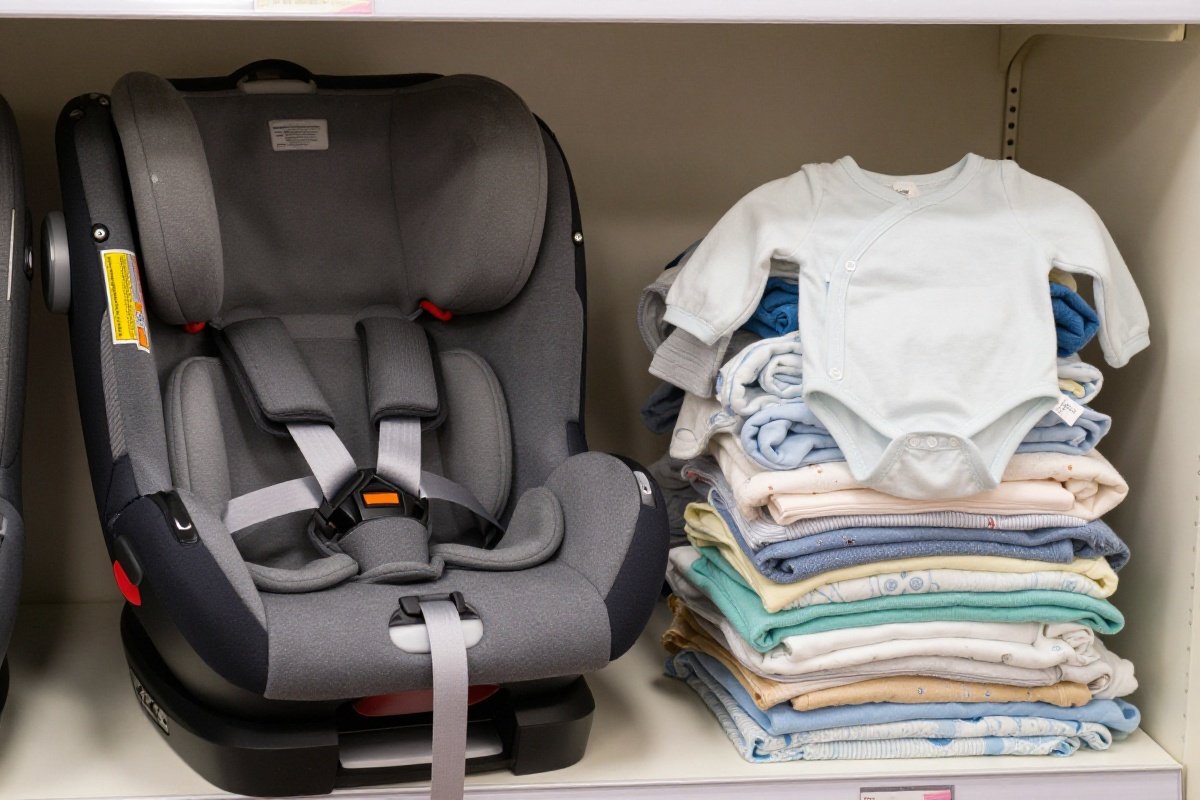
Car Seat:
- Non-negotiable safety item deserves full budget allocation
- Easiest installation increases correct use likelihood
- Correct use every time matters more than crash test ratings
- High ease-of-use ratings from NHTSA guide choices
- Good fit in your specific vehicle crucial
- Clear installation instructions and indicators
- Customer service and replacement part availability
If your car seat budget is limited, invest in one excellent convertible car seat rather than both infant bucket and convertible. The convenience of infant seats doesn’t outweigh safety of proper convertible use.
Nursing Chair:
- Countless hours spent feeding baby (3-8 hours daily initially)
- Back support essential for preventing long-term pain
- Durability matters - used for years beyond infancy
- Quality construction outlasts cheaper alternatives
- Comfort directly impacts parent well-being
- Worthwhile even if purchased gently used
A supportive chair with proper lumbar support prevents the back and neck pain common among new parents. Consider chairs marketed for office use - often more ergonomic than “nursery” furniture. New options are a mid-range investment, while used chairs from quality brands offer excellent value.
Baby Carrier:
- Ergonomic design supports healthy hip development
- Hip health support prevents dysplasia
- Daily use item justifies quality investment
- Long-term comfort prevents parent injury
- Proper positioning reduces crying and fussiness
- Hands-free capability enables multitasking
Cheap carriers often lack proper hip positioning, forcing baby’s legs straight down rather than in the healthy “M” position. Poor weight distribution causes parent back and shoulder pain. Quality carriers from Ergobaby, Tula, Lillebaby, or Boba are a mid-range investment but last through multiple children - see our best baby carrier reviews for top picks. Buying used in excellent condition cuts the cost significantly.
Breast Pump (if purchasing out-of-pocket):
- Insurance often covers, eliminating need to splurge
- Quality affects pumping success and milk supply
- Time-saving features worth considering if purchasing
- Long-term value if planning multiple children
- Closed-system protects motor from milk contamination
- Quiet operation matters for work pumping
- Responsive customer service important for troubleshooting
If insurance covers basic models only, consider whether upgraded features justify out-of-pocket costs. The Baby Brezza Formula Pro, while not a pump, represents another feeding-related splurge that some families find worthwhile for convenience.
Digital Thermometer:
- Accurate temperature reading crucial for illness assessment
- Reliable readings guide medical decisions
- Quality models last through multiple children
- Quick-read capability reduces infant squirming
- Splurge on rectal thermometer for accuracy under 3 months
- Temporal artery thermometers convenient for older babies
Invest in a quality thermometer. This isn’t the place to cut corners - accurate readings provide peace of mind and guide proper medical care.
Quality Swaddles:
- Better sleep for baby improves whole family’s rest
- Velcro swaddles stay secure unlike blanket wraps
- Hip-healthy designs accommodate proper positioning
- Multiple daily uses justify quality purchase
- Effective swaddling reduces crying and improves sleep duration
Invest in 2-3 quality swaddles. Many babies live in swaddles for weeks, making this a worthwhile investment. Borrow different styles from friends to determine what your baby prefers before purchasing multiple of one type.
Items NOT Worth Splurging On:
- Diaper bags (any bag with pockets works)
- Baby bathtubs (sink or regular tub works)
- Wipe warmers (unnecessary, easily broken)
- Fancy diaper pails (regular trash can with sealed bags works)
- Designer nursery decor (baby doesn’t care)
- Coordinated crib bedding sets (mostly unusable due to safe sleep guidelines)
- Bottle sterilizers (boiling water or dishwasher works)
Free and Low-Cost Resources
Using community resources, building parent networks, and taking advantage of assistance programs dramatically reduces baby costs while building support systems that benefit families beyond financial savings.
Community Resources
Baby Registries:
- Completion discounts provide 10-20% off remaining items
- Multiple store options let you comparison shop
- Strategic planning maximizes gift value and discount usage
- Create private registries to track desired items for self-purchase
- Add items gradually as needs become clear
- Update frequently based on received gifts
Create registries at 2-3 stores with different strengths:
- Amazon: Largest selection, easy returns, completion discount
- Target: In-store convenience, frequent sales, 15% completion discount
- Buy Buy Baby: Coupons stack with registry discount (20% total)
Complete registries after baby showers but before completion discounts expire. Purchase remaining essentials at discounted prices rather than full retail.
Hand-Me-Downs:
- Accept all offers - decline later if unsuitable after inspection
- Check condition thoroughly before using
- Verify no recalls on gear and furniture
- Gratitude and reciprocity build community bonds
- Pass along items when you’re done - pay it forward
- Organize clothing swaps with parent friends
Create a “yes box” system - tell people you’ll accept anything, then sort later. This prevents hurt feelings while maintaining control over what you actually use. Many items you never would have purchased new become favorites when received free.
Local Groups:
- Buy Nothing groups emphasize gift economy
- Freecycle networks focus on keeping items from landfills
- Church baby showers often provide essential items
- Community centers host parent groups and swaps
- Neighborhood apps (Nextdoor) facilitate local connections
- Mother’s groups offer support plus practical sharing
Join your neighborhood Buy Nothing group on Facebook. These hyperlocal groups operate on gifting principles - members offer items freely, and others request what they need. The generosity within these communities often surprises new members.
Library Resources:
- Free books in unlimited quantities
- Story time programs provide socialization
- Parenting books and resources
- Some libraries lend toys and learning kits
- Free entertainment from infancy through childhood
Library cards may be the best investment in a child’s education - and they’re free. Regular library visits establish reading habits while providing constantly refreshing entertainment at zero cost.
Online Marketplaces
Facebook Marketplace:
- Local pickup eliminates shipping costs
- Negotiate prices more successfully than other platforms
- Inspect items thoroughly before buying
- Wide selection of baby items in most areas
- Search saved searches to catch new listings
- Photos show actual condition unlike generic stock photos
Set up saved searches for items you need (e.g., “baby boy clothes 6-9 months” or “pack n play”). Facebook notifies you when new matching listings appear, helping you snag deals quickly.
Craigslist:
- Furniture deals abundant in most markets
- Stroller savings significant - premium models available at a fraction of retail
- Toy bundles offer variety at low cost
- Safety verification absolutely essential
- Meet in public locations for safety
- Cash transactions protect privacy
Be cautious of scams - if something seems too good to be true, it probably is. Inspect items thoroughly. Never wire money or provide personal financial information.
Community Sale Sites: Many communities have dedicated parent sale groups on Facebook or other platforms. These curated groups often have better quality control than open marketplaces. Administrators vet sellers and monitor scams. Shipping within local community often available.
Garage Sale Apps: Apps like Garage Sale Finder, Yard Sale Treasure Map, and Nextdoor aggregate local sales. Baby-specific sales happen frequently in family neighborhoods. Arrive early for best selection. Bring small bills for easy transactions.
Assistance Programs
WIC (Special Supplemental Nutrition Program):
- Food vouchers for specific nutritious foods
- Formula coverage for babies under 12 months
- Breastfeeding support and supplies (pumps, storage bags)
- Nutrition education and counseling
- Equipment assistance varies by state
- Income guidelines more generous than many realize
Apply through your local health department. Even if you’re unsure whether you qualify, apply - the worst they can say is no. Benefits begin immediately upon approval. No waiting period or delays.
Medicaid:
- Breast pumps covered for eligible mothers
- Medical equipment covered (nebulizers, etc.)
- Durable medical equipment often covered
- Low-income support varies by state
- Children may qualify even if parents don’t
- CHIP (Children’s Health Insurance Program) extends coverage
Pregnancy Medicaid often has higher income limits than regular Medicaid. Many middle-income families qualify for pregnancy and postpartum coverage. Benefits typically extend 60 days postpartum, covering the critical recovery period.
SNAP (Food Stamps): While SNAP doesn’t directly buy baby items, it frees up budget for diapers, wipes, and other essentials by covering food costs. Combined with WIC, these programs significantly ease financial stress for eligible families.
Temporary Assistance:
- Temporary Assistance for Needy Families (TANF) provides cash
- Emergency assistance programs offer one-time help
- Utility assistance programs (LIHEAP) reduce monthly bills
- Housing assistance creates budget flexibility
- Transportation assistance helps access medical care
Hospital and Non-Profit Resources:
- Hospital social workers connect families to resources
- Many hospitals provide free car seat installation verification
- Non-profit organizations offer cribs, car seats, or diapers
- Religious organizations frequently maintain baby closets
- Crisis pregnancy centers often provide material support
- United Way’s 211 service connects to local resources
Call 211 from any phone to connect with United Way’s resource database. Operators help identify available assistance programs in your area based on your specific needs.
Further Reading
- Special Needs Parent Fatigue: Recognizing and Managing Caregiver Burnout
- How to Find a Babysitter: Complete Guide to Hiring Childcare
- Parenting Styles 101: Authoritative, Authoritarian, Permissive & Uninvolved Explained
Creating Your Budget
Realistic budgeting requires understanding both one-time setup costs and ongoing monthly expenses. Underestimating either category creates financial stress that compounds the natural challenges of new parenthood.
One-Time Costs
Essential Setup (plan for a few thousand dollars total):
- Car seat: budget to mid-range (never compromise on this)
- Crib/mattress: solid wood crib plus firm mattress
- Dresser/changing table: budget to mid-range (or use a dresser you already own)
- Baby carrier: budget to mid-range (ergonomic design matters)
- Monitor: budget to mid-range (audio sufficient; video optional)
- Breast pump: often free through insurance
- Basic clothing: mix new and used for significant savings
- Diapers/wipes starter supply: 1-2 weeks worth
- Feeding supplies: bottles, nursing supplies
- Bathing essentials: thermometer, washcloths, gentle soap
This essential budget provides everything needed for baby’s arrival. Prioritize safety items (car seat, crib, mattress) with remaining budget, then fill gaps with used items, hand-me-downs, and gifts.
Lower-Budget Essential Setup (under a thousand dollars is achievable):
- Car seat: Safety 1st Grow and Go (budget-priced)
- Sleep: Graco Pack ‘n Play (budget-priced)
- Dresser: Used from Facebook Marketplace
- Carrier: Used soft-structured carrier
- Monitor: Audio only (very affordable)
- Pump: Insurance covered (free)
- Clothing: Hand-me-downs and consignment
- Diapers/wipes: Store brand bulk purchase
- Feeding: Minimal bottle set
- Bath: Essentials only
- Total: well under a thousand dollars (leaving room for unexpected needs)
Optional Additions:
- Stroller: wide range from budget to premium (consider waiting to see if you’ll use)
- High chair: budget to mid-range (not needed until 4-6 months)
- **Swing
Recommended Products
Safety 1st Grow and Go
Best budget pickExceptional value for families watching their budget while prioritizing FMVSS 213 compliance.
What We Like
- Budget-friendly price without sacrificing safety standards
- QuickFit harness for easy height adjustments without rethreading
- Machine washable and dryer safe seat pad
- 10-year usable life span
What We Don't
- Bulkier than premium models
- Lower weight limits in each mode compared to competitors
Graco Pack 'n Play On the Go Playard
Best budget sleep solutionMulti-use sleep solution on budget.
What We Like
- Includes bassinet and full-size play yard functionality
- Portable design folds for travel and storage
- Budget-friendly option
- Long usable life from newborn to toddler
What We Don't
- Heavy to move frequently between rooms
- Thin mattress pad may require additional padding for comfort
Baby Brezza Formula Pro
Best formula feeding splurgeSplurge item that pays off.
What We Like
- Automatically prepares bottles at consistent temperature in under a minute
- Saves significant time during nighttime feedings
- Reduces formula waste with precise measurements
- Worth the investment for formula-feeding families
What We Don't
- High upfront cost compared to manual preparation
- Requires daily cleaning and weekly deep cleaning
- Takes up significant counter space
- Some users report clogging issues with certain formula brands
Sources & Research
Continue Reading
Explore more parenting guides content or browse our other categories.
Frequently Asked Questions
- What baby items should I buy new vs. used?
- Certain baby items should always be purchased new for safety reasons: Car seats - never buy used because you can't verify they haven't been in an accident or recalled. Expired seats or seats with unknown history put your baby at risk. Cribs - while you can use a hand-me-down crib, it must meet current safety standards (no drop sides, proper slat spacing). Check for recalls and ensure all hardware is present and functional. Mattress - buy new for hygiene reasons and to ensure firmness for safe sleep. Breast pumps - hospital-grade pumps can be rented, but personal pumps should be new due to potential contamination in internal parts. Other items can safely be purchased used or borrowed: Clothing - babies outgrow clothes so quickly that used items are often barely worn. Accept hand-me-downs and shop consignment. Strollers - check for recalls, ensure brakes work, and verify all parts are present. Used strollers can offer significant savings. Baby carriers - check for wear, ensure buckles function, and verify no recalls. Most carriers have long lifespans. Toys - clean thoroughly and check for recalls. Avoid toys with small parts for infants. Books - used baby books are perfectly fine and much more affordable. Furniture - dressers, changing tables, and gliders can all be purchased used. Just ensure stability and check for recalls. High chairs - verify safety harness works, no recalls, and stable base. Your budget will go much further mixing new safety-critical items with quality used items for everything else.
- How can I save money on diapers and formula?
- Diapers and formula represent two of the largest ongoing baby expenses, but several strategies can reduce costs significantly. For diapers: Compare cost per diaper rather than package price. Store brands like Target's Up & Up, Costco's Kirkland, and Walmart's Parent's Choice often match premium brand quality at 30-50% lower cost. Buy in bulk when you find good prices - diapers don't expire. Sign up for subscription services (Amazon Subscribe & Save, Target subscriptions) for additional discounts. Use coupons strategically by combining manufacturer coupons with store sales. Join diaper company reward programs (Pampers, Huggies, Luvs) for points toward free diapers. Consider cloth diapering - the upfront investment pays off after about 6-8 months of use and saves thousands over the diapering years. For formula: Ask your pediatrician for samples - they often have plenty. Sign up for formula company programs (Enfamil, Similac, Gerber) for checks and coupons worth $5-15 per month. Compare store brands - FDA requires all formulas meet the same nutritional standards, so store brands are nutritionally equivalent to name brands at significantly lower cost. Buy powder rather than ready-to-feed - powder costs about 50% less per ounce. Use formula checks at warehouse clubs - some accept manufacturer checks on their already lower prices. Consider generic brands - similar to diapers, store brand formulas must meet identical FDA standards as premium brands. If breastfeeding, invest in support (lactation consultant, pump through insurance) as successful breastfeeding is essentially free feeding. Even partial breastfeeding reduces formula costs. Track prices using apps like Basket or Flipp to find the best deals in your area.
- What are the most important items to splurge on?
- While much baby gear can be purchased on a budget, certain items are worth investing in for safety, durability, or daily convenience: Car seat - this is non-negotiable safety equipment. Buy the best seat you can afford that fits your vehicle and child properly. Look for seats with high ease-of-use ratings that you're more likely to install correctly every time. Crib mattress - firm mattresses reduce SIDS risk. Invest in a quality new mattress even if you buy a used crib. Breast pump - if breastfeeding, a quality pump (often covered by insurance) makes a huge difference in success and convenience. Don't skimp here if you'll pump regularly. Baby carrier - if you plan to babywear, invest in an ergonomic carrier that supports baby's hips properly. Cheap carriers can cause hip dysplasia. Glider or rocking chair - you'll spend countless hours feeding and soothing. A comfortable, durable chair that supports your back is worth the investment. Diaper bag - choose one that's durable, comfortable to carry, and has the organization you need. You'll use it daily for years. Baby monitor - if you'll use one, invest in reliable video quality and good battery life. Cheap monitors die quickly or have poor range. Thermometer - a reliable digital thermometer is essential for monitoring fevers. Don't trust cheap versions when accuracy matters. Swaddles or sleep sacks - quality sleepwear that stays closed and uses safe materials helps everyone sleep better. For other items, mid-range options usually provide the best value. Avoid the cheapest options that break quickly, but you rarely need the most expensive premium versions.
- Where can I find free or low-cost baby items?
- Many resources exist for acquiring baby items at no or low cost: Baby registries - register at multiple stores (Amazon, Target, Buy Buy Baby, Walmart) and include items across all price points. Many retailers offer completion discounts (10-15% off remaining items) after your shower. Buy Buy Baby sends periodic 20% off coupons. Baby showers - accept all offers of hand-me-downs and used items (except car seats). People are often thrilled to clear out baby gear. Facebook Marketplace and Craigslist - excellent for finding used strollers, high chairs, toys, and furniture. Always check for recalls before purchasing. Local Buy Nothing groups - neighborhood gift economy groups on Facebook where people give away items they no longer need. Post asking for specific baby items. Freecycle - similar to Buy Nothing, nationwide network of people giving away items rather than trashing them. Church and community baby showers - many communities host showers for expectant families, especially those in need. Ask at local churches, community centers, and social service agencies. Pregnancy resource centers - often provide maternity clothes, baby clothes, diapers, and equipment free to families. WIC (Women, Infants, and Children) - government nutrition program that provides food vouchers, breastfeeding support, and sometimes equipment like breast pumps. Medicaid programs - may provide breast pumps and other equipment at no cost. Hospital programs - some hospitals provide car seats, pack-n-plays, or breast pumps to families in need. Ask your social worker or case manager. Friends and family - don't be shy about accepting offers of help. Most people are happy to support new parents. Return duplicates - if you receive multiple of the same item as gifts, return for store credit toward items you still need.
- How do I create a realistic baby budget?
- Creating a realistic baby budget requires understanding both upfront costs and ongoing expenses. Start by tracking current spending to see where adjustments can be made. Typical one-time costs for baby preparation range from $1,000-3,000 depending on what you already have and what you receive as gifts. Monthly ongoing costs typically run $300-800 including diapers ($70-100), formula ($100-200 if not breastfeeding), childcare (the largest variable), medical expenses, clothing, and miscellaneous items. Create categories: Essentials (cannot eliminate) - diapers, wipes, formula/food, medical, safe sleep space. Important but flexible - clothing, toys, gear, feeding supplies. Nice-to-haves - gadgets, specialty items, excessive clothing. Build your budget by: Starting with essentials and adding as funds allow. Researching actual costs in your area - childcare varies dramatically by location. Planning for the unexpected - medical bills, emergency purchases. Considering the long term - babies get expensive as they become toddlers and need childcare. Looking for areas to reduce: Make vs. buy (baby food, wipes solution). Cloth diapering vs. disposables. Breastfeeding vs. formula. Used vs. new for safe items. Sharing equipment with other families. Review and adjust monthly - baby needs change rapidly. What you need at 3 months differs from 9 months. Be flexible and willing to shift spending between categories. The most important financial preparation is building an emergency fund - babies are unpredictable, and having savings reduces stress when unexpected expenses arise.
Written By
Kid Sitting Safe
Our team researches car seat safety standards, crash test data, and real-world usability to help parents make the safest choice.
Related Articles

How to Find a Babysitter: Complete Guide to Hiring Childcare
Learn how to find, vet, and hire trustworthy babysitters online. Discover the best platforms, interview questions, background checks, and safety tips for childcare.

Special Needs Parent Fatigue: Recognizing and Managing Caregiver Burnout
Essential guide for special needs parents dealing with chronic fatigue. Learn to recognize burnout signs, coping strategies, and how to build sustainable support systems.
Parenting Styles 101: Authoritative, Authoritarian, Permissive & Uninvolved Explained
Understand the four parenting styles from developmental psychology. Learn how authoritative, authoritarian, permissive, and uninvolved parenting affect child development and outcomes.