Affiliate Disclosure:Kid Sitting Safe is reader-supported. When you buy through links on our site, we may earn an affiliate commission at no additional cost to you. This does not influence our reviews or recommendations — we only recommend products we genuinely believe in.
Choosing an infant car seat is one of the most important safety decisions you’ll make as a new parent. Motor vehicle crashes are a leading cause of death for children, and proper car seat use significantly reduces the risk of injury. But with dozens of models, varying price points, and confusing specifications, picking the right one can feel overwhelming.
This guide walks you through the key decisions involved in choosing an infant car seat - safety standards, weight and height limits, installation methods, travel systems, and the features that actually matter. By the end, you’ll have the knowledge to choose the best infant car seat for your baby, vehicle, and lifestyle. For specific product recommendations, see our best infant car seats roundup.
Understanding the Basics
What Is an Infant Car Seat?
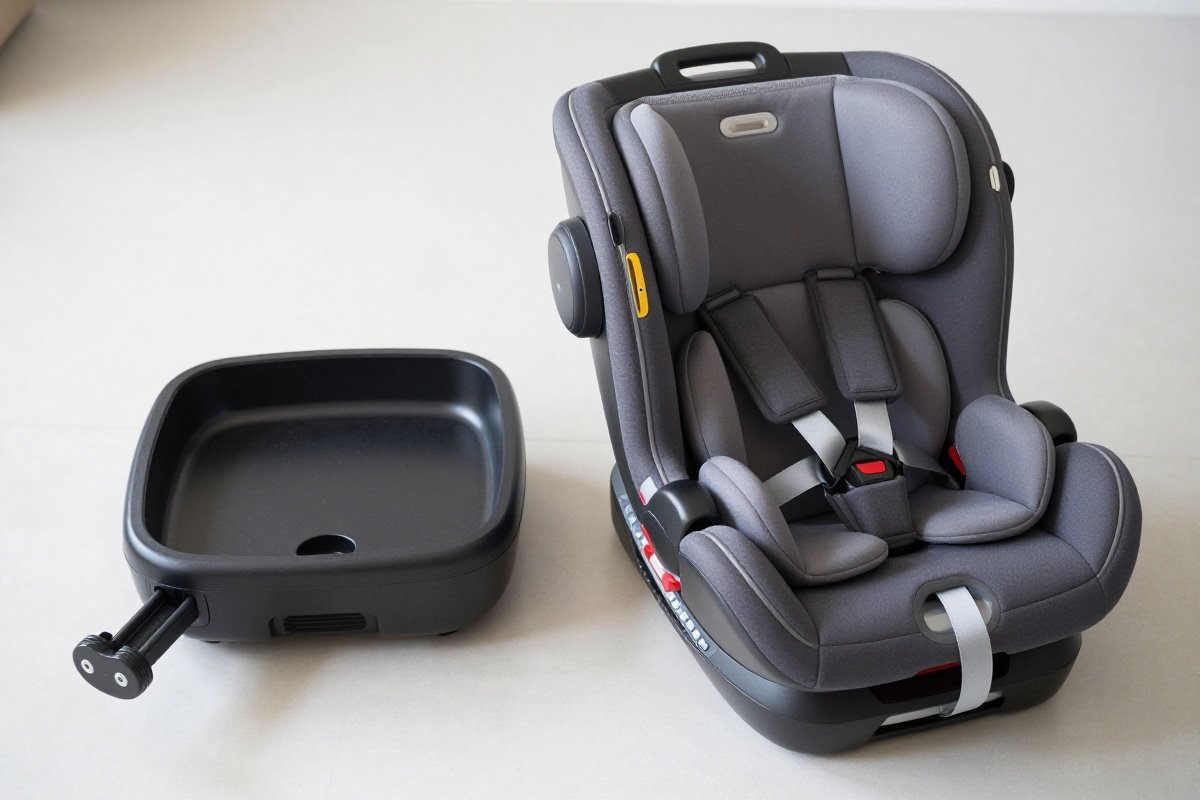
An infant car seat is a rear-facing only seat designed specifically for newborns and babies. Unlike convertible car seats that can face both directions, infant seats are exclusively rear-facing and feature a removable carrier that clicks into a stay-in-car base. That design lets you carry your baby from car to destination without disturbing them.
Every infant car seat sold in the United States must meet Federal Motor Vehicle Safety Standard (FMVSS) 213. It establishes minimum crash protection requirements, including dynamic crash testing, flammability resistance, and labelling requirements. Any seat you buy from a legitimate retailer will meet these standards.
Infant Seats vs Convertible Seats
Infant seats and convertible seats serve different purposes. Infant seats are portable carriers designed for babies from birth to roughly 30-35 pounds. They click into a base that stays in your car and can attach to compatible strollers. Convertible seats stay installed in the vehicle and work rear-facing then forward-facing, typically from birth to 65 pounds or more.
Most parents start with an infant seat for the first year, then transition to a convertible seat in rear-facing mode. AAP recommendations call for keeping children rear-facing until at least age 2, so an infant seat is just the first stage of rear-facing travel. See our convertible car seat guide for when your baby outgrows the infant seat.
When to Choose an Infant Seat
An infant car seat makes sense if you want the convenience of a portable carrier. Being able to click the carrier out and carry your sleeping baby without waking them is genuinely valuable during the first year. They also work with travel systems, letting you attach the carrier directly to a stroller frame.
A convertible seat from birth may be the better call if you don’t need portability, want to save money by buying one seat instead of two, or have a larger baby who may outgrow an infant seat quickly. Some convertible seats accommodate newborns as small as 4-5 pounds.
Key Features to Consider
Weight and Height Limits
Infant car seats have weight limits ranging from 30 to 35 pounds, and the number attached to a model name is not always the number on the label. The Chicco KeyFit 35 takes babies to 35 pounds; Graco’s current SnugRide Lite LX stops at 30 despite sitting in a range where sibling models went to 35. Read the label on the seat in front of you. Note that the Chicco KeyFit Max ClearTex has succeeded the KeyFit 35 as Chicco’s current infant flagship (adds an integrated anti-rebound bar for additional crash protection, drops the rear-facing cap from 35 to 30 lbs, and meets both FMVSS 213a and 213b); both remain FMVSS 213 certified. Babies typically outgrow infant seats by height before weight.
Height limits usually range from 30 to 32 inches. Your baby has outgrown the seat when their head is within one inch of the top of the shell, or when they exceed either limit. Most babies reach these limits between 9-15 months, though larger babies may outgrow the seat earlier.
Consider your baby’s growth trajectory when choosing. If you have a larger baby or a family history of larger babies, a 35-pound limit seat may provide more use. For average-sized babies, the difference between 30 and 35 pounds won’t significantly extend the seat’s usable life.
Installation Methods
Proper installation is critical for safety. According to NHTSA, nearly half of all car seats are installed incorrectly. That’s a staggering number. Look for seats with features that make proper installation easier.
LATCH (Lower Anchors and Tethers for Children) connects the car seat base directly to your vehicle’s built-in anchors. Most infant seat bases use LATCH connectors that hook onto those lower anchors. Premium seats like the Chicco KeyFit 35 include LATCH tighteners that pull the base tight with minimal effort.
Vehicle seat belt installation is the alternative method. You thread the belt through a designated path on the base and buckle securely. Both methods are equally safe when done correctly. Some seats offer easier belt routing than others, so check the belt path design if you plan to go this route.
A level indicator is essential for proper newborn positioning. You need the base reclined at the correct angle to keep your baby’s airway open. Look for a clear indicator that shows green or a bubble level when the angle is right.
Carrier Weight
Infant carriers weigh between 7.5 and 16.5 pounds without the baby. Add a 15-pound baby, and you’re carrying 22-32 pounds every time you move from car to destination. If you have stairs, walk long distances, or have any physical limitations, carrier weight matters a lot.
Graco SnugRide SnugLock 35 Elite has one of the lightest carriers at 7.5 pounds. Chicco KeyFit 35 weighs 10.2 pounds. Doona comes in at 16.5 pounds because it includes integrated stroller wheels.
Think about who’ll be carrying it and how often. A 2-pound difference doesn’t seem like much, but it adds up over months of daily use. Balance carrier weight against other features like installation ease and weight limits.
Travel System Compatibility
Many infant car seats are compatible with specific stroller brands, creating a travel system where the carrier clicks directly onto the stroller frame. Genuinely convenient for moving your baby from car to stroller without unbuckling them.
Chicco KeyFit 35 works with Chicco strollers including the Bravo, Viaro, and Corso travel systems. Graco SnugRide 35 pairs with Graco Click Connect strollers, giving you plenty of options at various price points. Some third-party strollers offer adapters for popular infant seats too.
Before choosing an infant seat, think about what stroller you plan to use. If you already have a stroller preference, verify compatibility. Staying within one brand’s ecosystem gives you the smoothest experience, though adapters can work well too.
Understanding Safety Standards
FMVSS 213 Requirements
All car seats sold in the United States must meet Federal Motor Vehicle Safety Standard (FMVSS) 213. It requires crash testing at specific impact forces, structural integrity requirements, flammability resistance, and proper labelling. When you buy from a legitimate retailer, you can be confident the seat meets these minimum requirements.
Some manufacturers exceed FMVSS 213 requirements with additional safety features. Side impact protection, energy-absorbing foam, and reinforced frames aren’t required by law but may provide extra protection. These features can distinguish one seat from another, though all legal seats provide adequate crash protection when used correctly.
NHTSA Ease-of-Use Ratings
NHTSA rates car seats for ease of use on a 5-star scale. These ratings evaluate clarity of labelling, ease of securing the child, and ease of installation. Higher-rated seats are easier to use correctly, which translates to better real-world safety.
Chicco KeyFit 35 is consistently rated highly by Child Passenger Safety Technicians (CPSTs) for installation ease. Look for seats with positive ease-of-use ratings - proper installation is the single most important factor in car seat safety.
Expiration Dates
Infant car seats have expiration dates, typically 6-10 years from the date of manufacture. Plastic and materials degrade over time due to temperature extremes and UV exposure in vehicles. Using an expired seat may compromise safety.
Check the expiration date on any seat you consider, including secondhand seats. You’ll find the date printed on a label, usually on the bottom or side. Never use a seat past its expiration date, even if it looks fine.
Choosing for Your Specific Situation
Vehicle Compatibility
Not all infant seats fit well in all vehicles. Measure your back seat and compare it to the seat dimensions before purchasing. Pay attention to front seat position when the infant seat is installed - rear-facing seats can push front seats forward significantly in smaller vehicles.
Chicco KeyFit 35 is known for its compact base footprint, which fits well in smaller cars. If you have a compact vehicle or need to fit multiple car seats across the back seat, go for a narrower profile. Always test the fit in your specific vehicle before committing.
Some infant seat bases have adjustable recline positions to accommodate different vehicle seat angles. Deeply bucketed or unusually angled seats? Look for a base with multiple recline options and a clear level indicator.
Multiple Vehicles
If you’ll transfer the seat between vehicles, consider buying a second base rather than reinstalling each time. Bases are sold separately and typically cost less than the full seat. Having one in each vehicle makes transfers quick and keeps installation consistent.
Can’t afford multiple bases? Look for a seat with easy installation that works well with both LATCH and seat belt methods. Practice installing in both vehicles until you’re confident in your technique.
Premature or Small Babies
If your baby is expected to be premature or small, check the minimum weight rating of your chosen seat. Most infant seats accommodate babies from 4-5 pounds, but some smaller babies may need additional support. Chicco KeyFit 35 includes an infant insert for babies as small as 4 pounds.
AAP recommends a car seat evaluation before hospital discharge for babies born before 37 weeks gestation. Some premature babies need car beds or specialised seats. Consult with your paediatrician and a Child Passenger Safety Technician if you have concerns.
Budget Considerations
Infant car seats range from budget-friendly to premium. Higher prices generally buy more features, lighter weight, better fabrics, and easier installation, but all legal seats meet the same minimum safety standards.
Budget-conscious parents should look at the Graco SnugRide SnugLock 35 Elite, which offers good safety features at a lower price. Premium options like the Chicco KeyFit 35 offer installation ease and compact design that may justify the higher cost for many families.
Remember you’ll need a convertible car seat when your baby outgrows the infant seat, typically within 9-15 months. Factor this into your overall budget. Some parents invest more in the convertible seat they’ll use for years while spending less on the infant seat that lasts under a year.
Recommended Products
Chicco KeyFit Max ClearTex
The Chicco KeyFit Max ClearTex is our top current recommendation for most families and is Chicco’s current infant flagship, succeeding the KeyFit 35. It carries over the SuperCinch LATCH and ReclineSure levelling that made the KeyFit line CPST favourites, and adds an integrated anti-rebound bar for additional crash protection, a 5-position no-rethread harness, and integrated European belt routing for baseless installs. It meets both FMVSS 213a (side impact) and 213b (frontal impact) and is GREENGUARD Gold certified. The trade-off is a 30 lb rear-facing cap (rather than 35 lbs on the KeyFit 35), with a 10 lb carrier either way. The KeyFit 35 has the higher cap if you specifically need it, see our Chicco KeyFit 35 review for that seat.
Graco SnugRide 35
Graco’s SnugRide line is the volume seller in American infant seats, and it delivers solid performance at a competitive price. Click Connect gives you compatibility with a large stroller range at most price points.
The SnugRide 35 itself took babies rear-facing from 4 to 35 pounds and up to 32 inches, with a 7.5-pound carrier and 14.17 pounds with the base. That’s genuinely light for a 35-pound seat. The trade was that harness height needed rethreading through the back of the shell, and there was no belt lock-off; both were reserved for the pricier 35 LX.
Check the cap before you buy, though. Graco has used the SnugRide name across seats rated to 30 pounds and to 35, and the current SnugRide Lite LX is a 30-pound seat despite the same 7.5-pound carrier. The number on the label is the one that governs, not the one in the model name.
Doona Infant Car Seat and Stroller
Doona is unique - it combines an infant car seat and stroller in one product. Integrated wheels deploy in seconds, transforming the car seat into a functional stroller. No separate stroller needed, which makes it ideal for urban parents, frequent travellers, or anyone who values minimalist gear. At 16.5 pounds, it’s heavier than traditional carriers, but the convenience may be worth it for some families.
Tips and Best Practices
- Install the seat before your due date. Do not wait until you are in labor to figure out installation. Practice installing the base and clicking the carrier in and out well before your baby arrives.
- Get your installation checked. Many fire stations, police stations, and hospitals offer free car seat inspections by certified technicians. Take advantage of this service to ensure your installation is correct.
- Use the harness correctly every time. The harness should be tight enough that you cannot pinch any webbing at the shoulder. The chest clip should be at armpit level. For newborns, the harness straps should be at or below the shoulders.
- Register your car seat. Fill out the registration card or register online so the manufacturer can contact you in case of recalls. This is required by law and essential for safety.
- Do not use aftermarket products. Products that go between your baby and the seat or under the harness straps are not safety-tested and may interfere with proper protection. Use only what came with your seat.
- Replace after any crash. Even a minor crash can compromise the seat’s structural integrity. Insurance typically covers replacement. Never use a car seat that has been in a crash.
Common Mistakes to Avoid
Installing the Base Too Loosely
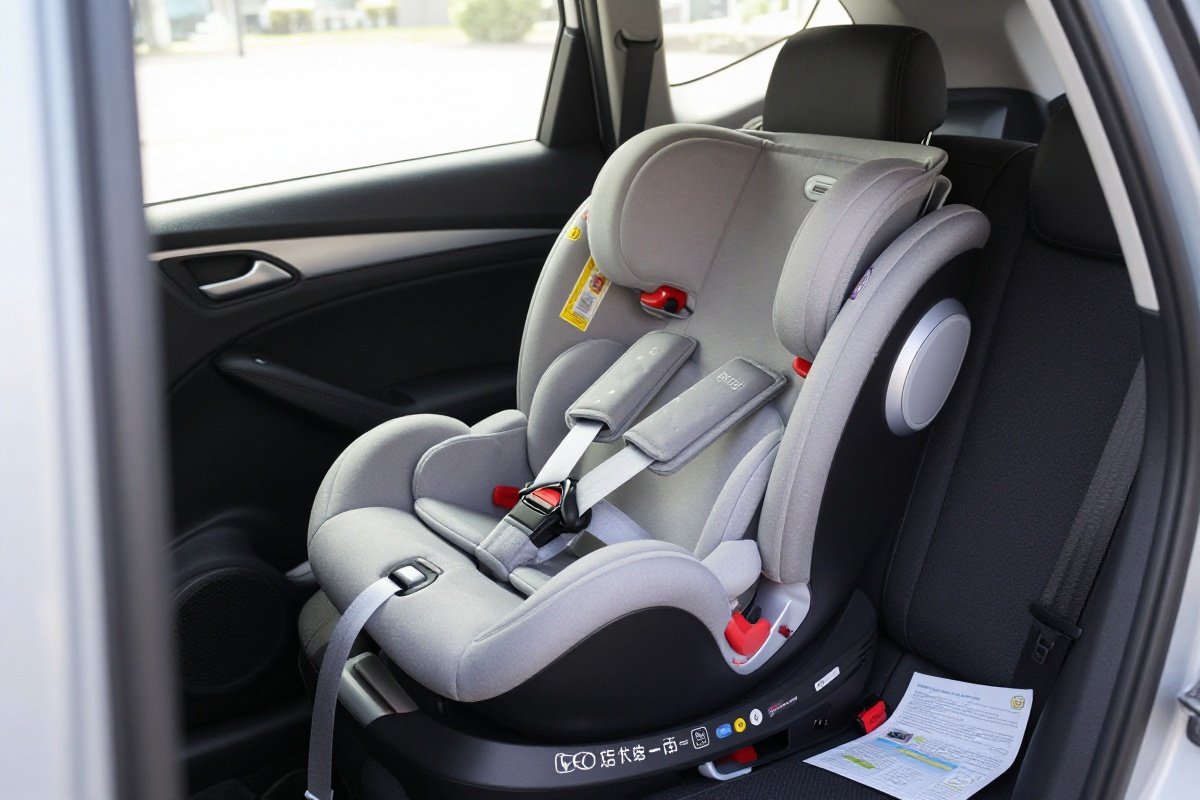
A properly installed base should move less than one inch at the belt path when you wiggle it. More than one inch? Too loose. Reinstall using either LATCH or the seat belt, and pull tight with your body weight to ensure a secure fit. Check out our car seat accessories guide for seat protectors that won’t interfere with installation.
Incorrect Harness Position
For rear-facing infants, the harness straps must be at or below the shoulders. Straps that are too high can allow the baby to slide up in a crash. As your baby grows, move the harness straps to the appropriate slots - most seats have multiple positions.
Adding Unapproved Products
Aftermarket head supports, strap covers, and seat inserts may seem like they improve comfort, but they are not safety-tested with your seat and may interfere with proper protection. Use only the inserts and accessories that came with your car seat.
Using an Expired or Damaged Seat
Car seats expire because the materials degrade over time. Check the expiration date and never use a seat past its expiration. Also inspect seats regularly for cracks, frayed straps, or damaged foam. Replace any seat that shows signs of damage.
Transitioning Too Early
Keep your baby in the infant seat until they reach the height or weight limit. Some parents transition to a convertible seat too early because the infant seat seems small, but the infant seat is the safest option for as long as your baby fits. When your baby outgrows the infant seat, transition to a convertible seat in rear-facing mode.
Frequently Asked Questions
The FAQ section above addresses common questions about infant car seats. Here are additional details on key topics.
Can I buy a used infant car seat?
Buying a used infant car seat is risky. You do not know the seat’s history - whether it has been in a crash, how it was stored, or whether all parts are present. Car seats have expiration dates, and used seats may be close to or past expiration. If you do accept a used seat from someone you trust, verify that it has never been in a crash, is within its expiration date, and has all original parts including the manual.
How do I clean an infant car seat?
Most infant car seats have removable, washable fabric covers. Check your manual for specific cleaning instructions. Generally, you can remove the cover, wash it on a gentle cycle with mild detergent, and air dry. Do not use harsh chemicals or bleach, which can degrade the materials. Clean the plastic shell with mild soap and water. Never submerge the harness straps in water, as this can damage the fibers.
Can I take an infant car seat on an airplane?
Most infant car seats are FAA-approved for use on airplanes. Look for the FAA certification label on the seat. Using your car seat on the plane is the safest option for your baby and ensures you have the seat at your destination. The seat will typically fit in a standard airplane seat, though you may need to request a window seat to avoid blocking other passengers. You can also gate-check or baggage-check infant seats for free on most airlines.
When should I switch to a convertible seat?
Switch to a convertible car seat when your baby exceeds the height or weight limit of your infant seat, or when the top of their head is within one inch of the top of the shell. Most babies outgrow infant seats between 9-15 months. Transition to a convertible seat in rear-facing mode, and keep your child rear-facing until at least age 2, or longer if the seat allows.
Conclusion
Choosing an infant car seat means balancing safety, convenience, vehicle compatibility, and budget. The safest seat is one that fits your baby, fits your vehicle, and that you can install correctly every time. Focus on installation ease, appropriate weight and height limits, and features that match your lifestyle.
Chicco KeyFit Max ClearTex offers the best overall package for most families, carrying over the easy installation of the KeyFit line while adding an integrated anti-rebound bar (and meeting FMVSS 213a and 213b). Graco SnugRide 35 provides reliable safety at a competitive price. Doona offers unique convenience for urban parents and frequent travellers. Whichever you choose, take time to practise installation and have your seat checked by a certified technician.
Your infant car seat will serve your family through the first year of your baby’s life. Choose wisely, install correctly, and use it every time. Check Price on Amazon for current pricing on recommended infant car seats.
Recommended Products
Chicco KeyFit Max ClearTex Infant Car Seat
Best overall infant car seat for installation easeChicco's KeyFit line has been the CPST darling for nearly two decades, and the KeyFit Max ClearTex carries that reputation forward with the headline upgrade most parents asked for: an integrated anti-rebound bar. Installation is genuinely easy, the seat fits a wide range of vehicles, and FMVSS 213a/b compliance is explicit.
What We Like
- Integrated anti-rebound bar (the upgrade over the KeyFit 35 line) adds ~1.5 inches of legroom and reduces forward rotation in a frontal crash
- SuperCinch push-on lower LATCH connectors make a tight installation achievable with minimal force
- Integrated European belt routing for secure baseless installation in taxis, rideshares, or grandparent cars
- 5-position no-rethread harness with an extra inch of headroom vs the KeyFit 30
- Meets FMVSS 213b frontal impact standard and FMVSS 213a side impact standard; GREENGUARD Gold and Baby Safety Alliance verified; FAA approved
What We Don't
- Heavy carrier at 10 lbs, tiring for parents carrying it daily
- Canopy needs two hands to extend fully
- Belt threading under the guides is tedious for baseless installation
- No load leg (a feature Cybex, Nuna, and UPPAbaby offer at higher price points)
Graco SnugRide 35
Reference for existing owners; no longer soldThe straightforward middle of Graco's old SnugRide range: a 4-35 lb cap and a 7.5 lb carrier, without the no-rethread harness or belt lock-off that the 35 LX charged extra for. Discontinued now, with the SnugRide Lite LX and the SnugFit line in its place, so treat this as a reference for owners rather than a buying recommendation.
What We Like
- Rear-facing to 35 lb and 32 inches, against 30 lb and 30 inches on the SnugRide 30
- Genuinely light at 7.5 lb for the carrier, 14.17 lb with the base
- Front-adjust harness, so you tighten from the front rather than reaching behind the seat
- Adjustable base with a bubble level indicator, which the SnugRide 30's base does not have
- Click Connect attachment to any Graco Click Connect stroller
What We Don't
- Discontinued. Amazon returns "Currently unavailable, we don't know when or if", and Graco's current infant range is SnugRide Lite LX and SnugFit
- Harness height needs rethreading through the back of the shell. The 35 LX added a squeeze lever instead
- No seat belt lock-off. Again, that was the LX upgrade
- Graco publishes no warranty term on the product page; the linked PDF is the only source
Doona Infant Car Seat & Stroller
Best for urban convenienceUltimate convenience for urban parents and frequent travelers.
What We Like
- Car seat transforms into stroller instantly
- No separate stroller to store
- TUV and FAA approved for travel
- Integrated wheels deploy in seconds
What We Don't
- Limited use to 35 pounds/32 inches
- Heavy for a car seat at 17.2 pounds
- Expensive compared to separate car seat and stroller
Sources & Research
- Chicco USA Official Product Page
- Chicco KeyFit Max Infant Car Seat Product Manual
- The Car Seat Pros Review
- Amazon Product Listing
- Amazon listing for the corrected ASIN, read 2026-08-03. "Graco SnugRide 35 Infant Car Seat, Gotham". Graco's own "From the manufacturer" and "Important information" blocks are the source for every figure above, including the 7.5 / 14.17 lb weights and the 6-position base
- Amazon Product Page
- Doona Official Website
Continue Reading
Explore more infant car seats content or browse our other categories.
Frequently Asked Questions
- What is the weight limit for infant car seats?
- Most infant car seats have weight limits between 30-35 pounds. The Chicco KeyFit 35 accommodates up to 35 pounds, while several current seats, including Graco's SnugRide Lite LX and Chicco's own KeyFit Max ClearTex, cap at 30. Check the label on your seat rather than the model name, since Graco and Chicco have both moved caps between generations. Babies typically outgrow infant seats by height (usually 30-32 inches) before reaching the weight limit. Always check both height and weight limits for your specific seat.
- How long do babies use infant car seats?
- Most babies use infant car seats for 9-15 months, typically outgrowing by height before weight. The American Academy of Pediatrics recommends keeping babies rear-facing until at least age 2, so you will need to transition to a convertible car seat in rear-facing mode when your baby outgrows the infant seat. Some parents skip infant seats entirely and use a convertible from birth.
- Do I need a base for an infant car seat?
- Most infant car seats require a base for everyday use, but can be installed without one using the vehicle seat belt. The base stays installed in your car while the carrier clicks in and out. For families with multiple vehicles, buying a second base is usually more convenient than reinstalling a single base repeatedly. Baseless installation is useful for travel and riding in taxis.
- Can infant car seats be used without the base?
- Yes, most infant car seats can be installed using just the vehicle seat belt without the base. This is useful for travel, riding in taxis or rideshares, or using the seat in a second vehicle without buying an extra base. The seat belt installation method is equally safe when done correctly. Check your car seat manual for the specific belt path and instructions for baseless installation.
- What should I look for when buying an infant car seat?
- Key factors include weight and height limits, installation ease (look for LATCH systems with tighteners), carrier weight, travel system compatibility, and safety features. Consider your vehicle size (some bases fit better in small cars), whether you will transfer the seat between vehicles, and your stroller plans. The safest seat is one that fits your baby, fits your vehicle, and that you can install correctly every time.
Written By
Kid Sitting Safe
Our team researches car seat safety standards, crash test data, and real-world usability to help parents make the safest choice.
Related Articles

Chicco KeyFit 35 Review: Best Infant Car Seat for New Parents?
Comprehensive Chicco KeyFit 35 review. We break down the infant car seat's installation, safety features, and published limits. Is it the best choice for your newborn?
Best Infant Car Seats: Top Brands & Models for 2026
Expert reviews of the best infant car seat brands for 2026. Compare Chicco, Nuna, UPPAbaby, Graco and more with safety ratings, installation ease, and value for newborns.
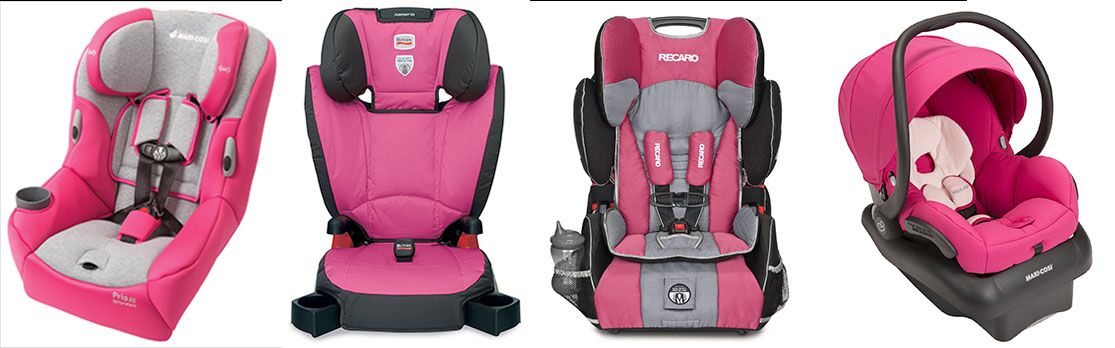
Best Car Seats for Baby Girls: Pink & Stylish Options for 2026
Find the best pink car seats for baby girls in 2026. We compare 5 genuinely pink and purple infant seats from Baby Trend, Graco, Safety 1st, and Diono - all with FMVSS 213 safety.