
Affiliate Disclosure:Kid Sitting Safe is reader-supported. When you buy through links on our site, we may earn an affiliate commission at no additional cost to you. This does not influence our reviews or recommendations — we only recommend products we genuinely believe in.
Chicco KeyFit 35
Best compact infant seatBest infant seat for compact vehicles.
What We Like
- Compact base footprint ideal for small vehicles
- 35 lb weight limit extends usability
- Easy installation with SuperCinch LATCH
- #1 rated by CPSTs for ease of installation
What We Don't
- Most babies outgrow by height (32 inches) before weight limit
- Typically outgrown by 9-15 months despite higher weight limit
- Higher price than KeyFit 30
Successor note (2026-05-29 update): Chicco has launched the KeyFit Max ClearTex as the current Chicco infant flagship. The KeyFit Max adds an integrated anti-rebound bar, a 5-position no-rethread headrest, and integrated European belt routing for baseless install. In exchange you get a lower 30 lb rear-facing cap (vs the KeyFit 35’s 35 lbs). The KeyFit 35 reviewed below remains FMVSS 213 certified, but the KeyFit Max is the current pick for buyers who want the integrated ARB. See our best infant car seat brands for current recommendations.
The Chicco KeyFit 35 is the upgraded version of Chicco’s legendary KeyFit infant car seat, the top choice among Child Passenger Safety Technicians for years. It extends the weight limit to 35 pounds and adds refinements while keeping the installation ease that made the original famous. If you’re a new parent overwhelmed by car seat choices, the KeyFit 35 makes the decision easier.
We assessed it on installation method, carrier weight, height and weight limits, and value, working from Chicco’s manual and its published specifications. The installation ease is genuine, and the compact base works well in smaller vehicles. The tradeoffs are carrier weight and height limits that may mean an earlier transition to a convertible seat than the weight limit suggests. See how it compares in our best infant car seats roundup.
The Basics
The KeyFit 35 is a substantial, well-built carrier. Chicco publishes the carrier at 10 pounds (heavier side for infant carriers, but not unreasonable) and the base at 8.5 pounds, bringing the total system to 18.5 pounds.
The newborn positioner is rated for babies between 4 and 11 pounds, per the manual, and comes out once they’re past that.
The SuperCinch LATCH system is immediately noticeable on the base. LATCH connectors have a pulling mechanism that tightens installation with a firm tug. The ReclineSure leveling system shows green when the seat hits the correct angle. These features aim for foolproof installation, and they deliver.
Carrier clicks securely into the base with an audible confirmation. The 5-point harness adjusts smoothly, chest clip positions easily at armpit level, and the canopy provides decent coverage.
No flashy features here. Just a product that prioritises safety and ease of use, and does both well.
Key Features
SuperCinch LATCH Installation
SuperCinch LATCH is the KeyFit 35’s defining feature, and it works. LATCH connectors attach to your vehicle’s lower anchors, and a pulling mechanism tightens the connection with minimal effort. A firm tug on each side is typically all you need for a tight, secure installation.
Why does easy installation matter so much? NHTSA’s National Child Restraint Use Special Study, which had certified technicians inspect more than 4,000 child restraints in the field, put the combined misuse rate for car seats and booster seats at 46 percent. That figure counts a seat once if it had at least one error that “may reduce the protection of the car seat/booster seat in the event of a crash”, and the errors cover both how the seat is fitted to the vehicle and how the child is fitted to the seat. Car seats on their own were worse than the combined number: 49 percent for rear-facing infant seats. Loose installation was the single most common error on forward-facing seats, at 17 percent. SuperCinch attacks that directly by making proper installation nearly automatic. NHTSA’s own best-practice line is that the seat should not move more than one inch laterally when pushed or pulled at the belt path.
If you’ll install and remove the seat frequently, or share it between vehicles, this ease of installation is hard to overstate. The ReclineSure leveling system nails the proper angle for newborns, which is critical for head support and airway protection. NHTSA’s best practice is 30 to 45 degrees of recline for a rear-facing seat regardless of the child’s age, and too little recline was the most common error its inspectors found on rear-facing seats.
35-Pound Weight Limit
The KeyFit 35 bumps the weight limit from 30 to 35 pounds over the KeyFit 30. That 5-pound extension provides roughly 2-3 more months of use for most babies. Height limit is 32 inches, also taller than the KeyFit 30’s 30-inch limit.
Here’s the catch: most babies outgrow this seat by height before weight, and it isn’t close. On the WHO growth standards, the median boy passes 32 inches somewhere between 15 and 18 months. At 24 months that same median boy is still under 27 pounds, and 35 pounds sits above the 97th percentile for his age. The 35-pound cap is generous enough that almost nobody reaches it in an infant seat, so plan to transition on height, or on head clearance, well before weight becomes the issue.
The 4-35 pound range covers most newborns from birth. An infant insert supports babies starting at 4 pounds, including premature and smaller newborns. For guidance on choosing an infant seat, see our article on how to choose an infant car seat.
Compact Base Footprint
In an era of bulkier infant seats, the KeyFit 35 base maintains a compact footprint. Chicco publishes the assembled system at 28.75 inches long, and it fits well in compact cars and vehicles with limited back seat space, which matters most for rear-facing installation where the front seat position gets constrained.
Multiple recline positions accommodate different vehicle seat angles. The ReclineSure leveling system helps you find the proper angle regardless of your vehicle’s seat slope, and the visual indicator turns green when you’ve got it right. No guesswork for newborn positioning.
Smaller vehicle or tall front seat passengers? The compact base is a real advantage. Always test the fit in your specific vehicle before purchasing, but the KeyFit 35 has a solid reputation for fitting where bulkier seats won’t.
Travel System Compatibility
The KeyFit 35 clicks directly onto Chicco strollers, creating a complete travel system. No separate adapters needed in most cases, and the connection is secure.
Chicco offers several compatible strollers: the Bravo, Viaro, and Corso. Lightweight stroller frames designed for Chicco seats work well for the first year. If you want a coordinated system, Chicco’s ecosystem is one of the most convenient.
Some third-party strollers offer Chicco adapters, though compatibility varies. If you already own a stroller, verify KeyFit compatibility before purchasing. Native Chicco compatibility gives you the smoothest experience.
Living With It
Installation and Daily Use
Installation is genuinely easy. SuperCinch LATCH connectors attach to the lower anchors with a click, the pulling mechanism tightens everything, and the level indicator confirms proper angle. The base typically moves less than one inch at the belt path after installation. Seat belt installation is clearly marked and easy to use too.
Daily use is just as smooth. Carrier clicks into the base with an audible confirmation. Release handle is accessible and easy to operate. Harness adjusts from the front, chest clip positions easily. Small details, but they matter when you’re loading a squirming baby into the car in bad weather.
One downside: the carrier weighs 10 pounds. Add a 15-pound baby and you’re carrying 25 pounds. Manageable for most parents, but worth thinking about if you have stairs, walk long distances from parking, or have physical limitations. If carrier weight is your deciding factor, Graco’s SnugRide carriers are the light ones: a published 7.5 pounds on both the discontinued SnugRide 35 and the current SnugRide Lite LX, though the Lite LX caps out at 30 pounds rear-facing rather than 35.
Newborn Fit and Comfort
An infant insert accommodates babies from 4 pounds, supporting smaller newborns and positioning them correctly within the harness. The 5-point harness adjusts for tiny babies, with slots that work for preemies and small newborns. A 4-pound minimum is at the low end of what infant seats accept, which is why the KeyFit line comes up so often in NICU discharge discussions.
Recline angle matters enormously for newborn safety. Chicco’s manual puts it bluntly: “Infants may have difficulty breathing when in a sitting position. Make sure the seat is reclined properly so that your child’s head does not fall forward. Failure to properly recline the Child Restraint could increase the child’s risk of serious injury or death.” ReclineSure’s visual indicator takes the guesswork out: green means you’re good, and that simple feedback matters for first-time parents who aren’t sure what “correct angle” looks like.
The seat uses Chicco’s ClearTex fabric, which meets the FMVSS 302 flammability requirement without added chemical treatments. Some parents report the seat runs warm in hot weather, which is common with most infant seats.
Vehicle Fit
The KeyFit 35’s base is short front to back, and owner reports across compact sedans and SUVs consistently describe it installing without pushing the front seats forward. That matters for families with smaller vehicles or tall front seat passengers.
The carrier fits in the back seat with adequate clearance for front seats in most configurations. Check your manual for handle position requirements during driving. Overall dimensions are reasonable, but always verify fit in your specific car before buying.
Pros and Cons
What we liked:
- Compact base footprint ideal for small vehicles: The base takes up less front-to-back space than many competitors, fitting well in compact cars without forcing front seats forward.
- 35 lb weight limit extends usability: The extended weight limit provides additional months of use compared to the KeyFit 30, especially valuable for larger babies.
- Easy installation with SuperCinch LATCH: The pulling mechanism achieves a tight installation with minimal effort, making proper installation nearly automatic.
- A long-standing reputation for installing correctly first time: Chicco’s claim is that its “top-rated, innovative safety features make the KeyFit 35 ClearTex the easiest infant car seat to install and use correctly”, and the KeyFit line is routinely recommended for that reason.
What could be better:
- Most babies outgrow by height (32 inches) before weight limit: The 35-pound weight limit is generous, but most babies will reach the 32-inch height limit first, typically around 12-15 months.
- Typically outgrown by 9-15 months despite higher weight limit: The practical lifespan of the seat is limited by height, not weight, so the extended weight limit may not translate to longer use for most families.
- Higher price than KeyFit 30: The KeyFit 35 costs more than the KeyFit 30, though the extended limits and improved features may justify the price difference.
Who Should Buy This?
New parents who want installation confidence should start here. SuperCinch LATCH makes proper installation simple, and that matters when NHTSA’s field study found 49 percent of rear-facing infant seats carried at least one error in how they were installed or how the child was restrained. Families with smaller vehicles will appreciate the compact base that fits where bulkier seats won’t.
First-time parents get peace of mind from a seat with a long-standing reputation for installing correctly on the first go. That confidence is valuable during the stressful early days of parenthood. Travel system compatibility with Chicco strollers adds convenience if you want a coordinated system.
Got a tall baby? The 32-inch height limit may come fast, and the head-clearance rule can arrive sooner still: the top of your child’s head has to stay at least an inch below the top of the shell. If your baby is in the higher percentiles for height, most infant seats have similar constraints, so a convertible with a tall rear-facing shell is the real answer rather than a different infant seat.
Urban parents and frequent travelers should also consider the Doona Infant Car Seat and Stroller, an all-in-one that eliminates the need for a separate stroller (though at a higher price and weight). Budget-conscious families can save with Graco’s SnugRide Lite LX and still get a quality infant seat, as long as the 30-pound rear-facing cap suits.
Verdict
The Chicco KeyFit 35 earns its reputation as the easiest-to-install infant car seat on the market. SuperCinch LATCH delivers on its promise of foolproof installation, directly addressing the most common car seat safety issue. The compact base fits smaller vehicles, and the 35-pound weight limit extends use compared to the KeyFit 30.
The tradeoffs are real but manageable. At 10 pounds, the carrier is on the heavy side, and most babies will outgrow it by height before weight. For most families, those are reasonable compromises for the installation confidence and quality you get.
All infant car seats sold in the US must meet FMVSS 213 standards. The KeyFit 35 meets those requirements while adding genuine ease-of-use features that encourage proper installation. If you want confidence that your infant seat is installed correctly, this is the one to get. Check Price on Amazon for current pricing and availability.
Also Consider
Graco SnugRide 35
Budget alternativeThe straightforward middle of Graco's old SnugRide range: a 4-35 lb cap and a 7.5 lb carrier, without the no-rethread harness or belt lock-off that the 35 LX charged extra for. Discontinued now, with the SnugRide Lite LX and the SnugFit line in its place, so treat this as a reference for owners rather than a buying recommendation.
What We Like
- Rear-facing to 35 lb and 32 inches, against 30 lb and 30 inches on the SnugRide 30
- Genuinely light at 7.5 lb for the carrier, 14.17 lb with the base
- Front-adjust harness, so you tighten from the front rather than reaching behind the seat
- Adjustable base with a bubble level indicator, which the SnugRide 30's base does not have
- Click Connect attachment to any Graco Click Connect stroller
What We Don't
- Discontinued. Amazon returns "Currently unavailable, we don't know when or if", and Graco's current infant range is SnugRide Lite LX and SnugFit
- Harness height needs rethreading through the back of the shell. The 35 LX added a squeeze lever instead
- No seat belt lock-off. Again, that was the LX upgrade
- Graco publishes no warranty term on the product page; the linked PDF is the only source
Graco SnugRide SnugLock 35 Elite
Reference for existing owners; no longer soldA capable rear-facing-only seat whose limits are all confirmed in Graco's own manual: 4-35 lb, 32 inches, seven-year life. It's no longer made, and Graco's current infant range is the SnugFit line, so treat this as a reference for owners rather than a buying recommendation.
What We Like
- Rear-facing to 35 lb, at the top of the infant-seat range
- SnugLock lock-off arm clamps the belt or LATCH strap down, so you aren't fighting the seat for tension
- No-rethread harness: the head support and harness height move together on one set of buttons
- Carrier is certified for use in aircraft when used without the base
- Click Connect attachment to Graco strollers carrying the Click Connect logo
What We Don't
- Discontinued. Graco no longer lists it and the ASIN in this record is gone from Amazon's catalogue
- No anti-rebound bar. Graco's later SnugFit seats added one
- Graco never published a carrier weight for this trim, and independent measurements disagree
- The base is not certified for aircraft, so flying means carrying the carrier on its own
- Body pillow is only for infants of 12 lb or less, and it isn't fitted to every model
Doona Infant Car Seat & Stroller
Best for urban convenienceUltimate convenience for urban parents and frequent travelers.
What We Like
- Car seat transforms into stroller instantly
- No separate stroller to store
- TUV and FAA approved for travel
- Integrated wheels deploy in seconds
What We Don't
- Limited use to 35 pounds/32 inches
- Heavy for a car seat at 17.2 pounds
- Expensive compared to separate car seat and stroller
Sources & Research
- Chicco USA Official Product Page (KeyFit 35 ClearTex)
- Amazon listing for the corrected ASIN, read 2026-08-03. "Graco SnugRide 35 Infant Car Seat, Gotham". Graco's own "From the manufacturer" and "Important information" blocks are the source for every figure above, including the 7.5 / 14.17 lb weights and the 6-position base
- Graco SnugRide SnugLock 35 Elite instruction manual PD349483C (8/16), models 8AX125 / 8AX25. Primary source for every limit above
- Consumer Reports, Graco SnugRide SnugLock 35 Elite. Independent cross-check of the 4-35 lb / 32 in limits, and the only Elite-specific carrier weight measurement
- Amazon Product Page
- Doona Official Website
Continue Reading
Explore more infant car seats content or browse our other categories.
Frequently Asked Questions
- How long can my baby use the Chicco KeyFit 35?
- The Chicco KeyFit 35 accommodates babies from 4-35 pounds and up to 32 inches tall. Most babies outgrow the seat by height before weight, typically between 9-15 months. Once your baby's head is within one inch of the top of the shell or they reach either the weight or height limit, you need to transition to a convertible car seat in rear-facing mode.
- Is the Chicco KeyFit 35 easy to install?
- Yes. Chicco's own claim for it is that "top-rated, innovative safety features make the KeyFit 35 ClearTex the easiest infant car seat to install and use correctly", and the KeyFit line has a long-standing reputation among child passenger safety technicians for exactly that. The SuperCinch LATCH system uses a pulling mechanism to achieve a tight, secure installation with minimal effort. The ReclineSure leveling system with a visual indicator ensures the proper angle for newborns. Even first-time parents typically achieve correct installation on the first try.
- What strollers are compatible with the Chicco KeyFit 35?
- The KeyFit 35 is compatible with Chicco strollers including the Chicco Bravo, Chicco Viaro, and Chicco Corso travel systems. You can also use it with stroller frames designed for Chicco infant seats. The carrier clicks directly onto these strollers without adapters. Some third-party strollers offer Chicco adapters, but native Chicco compatibility provides the most seamless experience.
- Does the Chicco KeyFit 35 fit in small cars?
- Yes, the KeyFit 35 is known for its compact base footprint, which fits well in smaller vehicles. The base is designed to take up less front-to-back space than many competitors, making it a good choice for compact cars or situations where the front seats need to be positioned further back. Always check the fit in your specific vehicle before purchasing.
- What is the difference between KeyFit 30 and KeyFit 35?
- The KeyFit 35 has a higher weight limit (35 pounds vs 30 pounds) and a taller height limit (32 inches vs 30 inches) than the KeyFit 30. The KeyFit 35 also has an improved infant insert and a more compact base design. Both feature the same SuperCinch LATCH installation system. The KeyFit 35 costs more but provides extended use, potentially lasting 2-3 months longer for most babies.
Written By
Kid Sitting Safe
Our team researches car seat safety standards, crash test data, and real-world usability to help parents make the safest choice.
Related Articles
How to Choose an Infant Car Seat: Complete Safety Guide
Complete guide to choosing an infant car seat. Safety standards, weight limits, installation types, and key features explained. Expert advice for new parents from Kid Sitting Safe.
Best Infant Car Seats: Top Brands & Models for 2026
Expert reviews of the best infant car seat brands for 2026. Compare Chicco, Nuna, UPPAbaby, Graco and more with safety ratings, installation ease, and value for newborns.
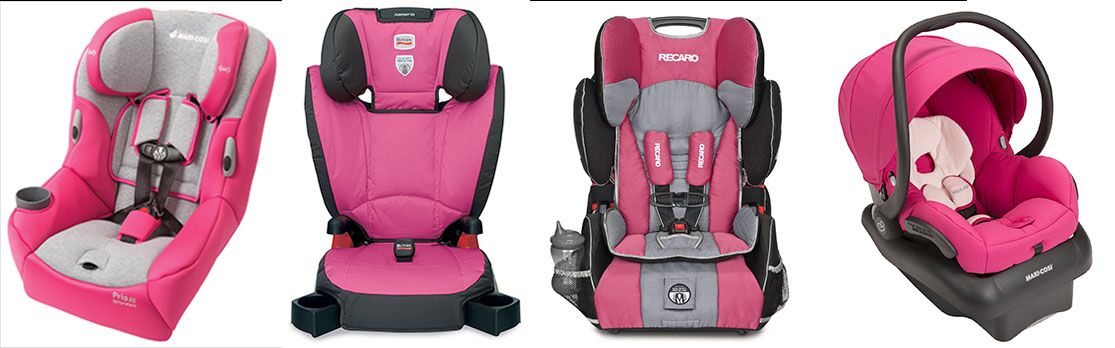
Best Car Seats for Baby Girls: Pink & Stylish Options for 2026
Find the best pink car seats for baby girls in 2026. We compare 5 genuinely pink and purple infant seats from Baby Trend, Graco, Safety 1st, and Diono - all with FMVSS 213 safety.